Best Electric Distress Light for Boats: Safer Signaling on the Water
Choosing the right electric distress light can dramatically improve boat safety by providing reliable, Coast Guard-approved signaling during nighttime or poor visibility conditions. This guide highlights five top options that replace traditional pyrotechnic flares with durable, reusable LED signals. Each product listed below is USCG or SOLAS compliant where applicable, designed for water exposure, and designed to be easy to deploy in emergencies. Read on to compare capabilities, battery life, visibility range, and practical use in day and night signaling scenarios.
| Product | Brand | Key Benefit | Approx. Range |
|---|---|---|---|
| Sirius Signal C-1003 SOS LED Distress Signal | SIRIUS SIGNAL FOR LIFE | Long-lasting, Coast Guard approved with day/night signals | Up to 10 miles |
| ACR ResQFlare Electronic Distress E-Flare | ACR | 360° visibility with included distress flag | Over 6 miles |
| TEKTITE SOSeFLARE 5 | TEKTITE® | Night-only SOS with long battery life and SOLAS/USCG compliance | 30+ hours SOS |
| Sirius Signal C-1004 SOS LED Distress Signal | SIRIUS SIGNAL FOR LIFE | Includes display and storage mounts with day/night signaling | Up to 10 miles |
| Sirius Signal C-1002 SOS LED Distress Signal | SIRIUS SIGNAL FOR LIFE | Two-color plus infrared for versatile signaling | Up to 10 miles |
Note: Selection focuses on five highly relevant, USCG/SOLAS compliant or equivalent products that replace traditional flares with electronic signals for nighttime and daytime signaling. Each entry includes reviews of visibility, durability, and ease of use in maritime conditions.
Sirius Signal C-1003 SOS LED Distress Signal

The C-1003 kit provides a Coast Guard approved distress signaling package that covers night, day, and audible requirements. It flashes a US Coast Guard SOS signal for up to 60 hours, well above standard endurance, and includes a daytime flag and whistle for daytime signaling. Batteries are included for immediate readiness. Visibility is strong, with the signal reportedly discernible up to 10 nautical miles, offering a reliable option for larger vessels and offshore use. The all-in-one design minimizes the need for additional gear in emergencies.
ACR ResQFlare Electronic Distress E-Flare
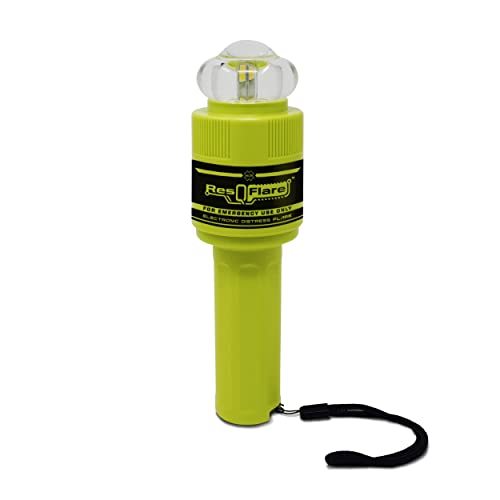
ACR’s ResQFlare pairs electronic signaling with a distress flag, creating a comprehensive visual aid for nighttime and daytime scenarios. This kit is designed to meet USCG 161.013 Nighttime Visual Distress Signal requirements and includes a distress flag certified under USCG 160.072 for daytime signaling. It remains waterproof (IP67), provides 360° visibility, and automatically rights itself and floats if dropped in water. While compact, it offers robust signaling performance with a notable distance visibility over several miles, making it a strong replacement for pyrotechnic flares.
TEKTITE SOSeFLARE 5

This USCG and SOLAS compliant distress flare serves as a legal nighttime signaling device, flashing S-O-S Morse code for high visibility. It features long-lasting, replaceable CR123 lithium batteries delivering 30+ hours of continuous signaling. Waterproof and submersible, it floats upright for maximum visibility, even in rough waters. While the device is night-focused (no daytime flag included by design), its reliability and regulatory compliance make it a favored choice for boats needing a legal electronic alternative to traditional flares.
Sirius Signal C-1004 SOS LED Distress Signal

The C-1004 expands signaling options with both white LED SOS and infrared output, plus a daytime flag and whistle. It includes a display mount and storage mount to keep signaling gear accessible and organized. The kit fulfills USCG nighttime, daytime, and audible signaling requirements and is designed for quick deployment in urgent situations. The infrared signal enhances concealment options for specific signaling scenarios where infrared visibility can be advantageous, while ensuring daytime visibility via the color flag and audible cue.
Sirius Signal C-1002 SOS LED Distress Signal

The C-1002 offers a two-color red/orange and cyan plus infrared SOS signaling package, designed to meet USCG requirements for nighttime signaling with added versatility. Its omnidirectional LED output supports visibility to multiple directions and distances, with a compact kit that includes an orange daytime flag and whistle. The combination of red-orange and cyan signals, along with infrared, provides signaling flexibility across different emergency scenarios, enhancing detection across varying conditions.
Buying Guide: Key Purchase Considerations
- Regulatory compliance: Prioritize devices USCG or SOLAS approved, ensuring legal signaling replacements for traditional flares.
- Visibility and range: Look for multi-directional LED signals with stated visibility distances (miles or nautical miles) for night signaling and daytime flags for daylight signaling.
- Power and endurance: Compare battery life, replaceable batteries, and shelf life. Longer endurance reduces the chance of signal loss in extended emergencies.
- Durability and water resistance: Choose IP-rated or rugged housings designed to withstand saltwater exposure, splashes, and submersion.
- Ease of use: Kits should be straightforward to deploy with minimal steps, ideally with mounting options and storage approaches that keep gear accessible.
- Additional signaling features: Some models include infrared output, audible whistles, day flags, or mounting accessories to broaden signaling methods in various conditions.
- Kit completeness: Some products include flags, whistles, display/storage mounts, and floatation or self-righting capabilities; assess what you need for your vessel type.
- Weight and portability: Lighter, compact kits are easier to handle on small boats or personal watercraft, but must still meet regulatory requirements.
In assessing options, it is important to match the signaling capability to your vessel size and typical operating areas. Offshore boats may benefit from long-range, multi-signal kits with both day and night signaling features, while smaller craft could prioritize compact, easy-to-deploy devices with robust battery life. Always verify the latest regulatory guidance and ensure the device you choose is compatible with your safety equipment inventory and emergency procedures.