Best Hull Saver for Boats: Top Transom Savers for Safe Trailering
When trailering an outboard-powered boat, a sturdy hull saver keeps the engine aligned, reduces beam stress, and protects the transom during transport. This guide highlights five reliable transom savers, each suited for boats with motors up to 100 HP. The top picks balance adjustability, durable materials, and practical mounting options. Ideal buyers include weekend boaters needing reliable motor support, small- to mid-size vessel owners with trailer-ready engines, and anyone seeking longer engine-life through better weight distribution.
| Product | Best For | Key Benefit |
|---|---|---|
| PUIOCO Adjustable Boat Transom Saver | Trailer use, 100 HP engines | Five adjustable points for 23″–35″ length, versatile mounting |
| Pextian Boat Transom Saver | All-around transport safety | Comprehensive kit with bolts and spacers; robust aluminum |
| Wyckoff Adjustable Boat Transom Saver | Durable protection with anti-scratch features | Composite head and galvanized aluminum for long life |
| JY PERFORMANCE Adjustable Transom Saver | Budget-friendly, easy adjustments | Aluminum construction with 23″–35″ range |
| Sebnux Adjustable Transom Saver | High-strength support | Composite head, heavy-duty aluminum, 100 HP compatibility |
PUIOCO Adjustable Boat Transom Saver

The PUIOCO transom saver offers five adjustable points and an overall length range of 23 to 35 inches. It supports motors up to 100 HP and includes optional roller and trailer mounting brackets for flexible setups. This model is best for boaters who trailer frequently and require a compact, versatile solution. A noted caution is to remove the saver before launching to prevent interference with water operations. Best for trailer-tow use where power trim or tilt is available on the engine.
Pextian Boat Transom Saver
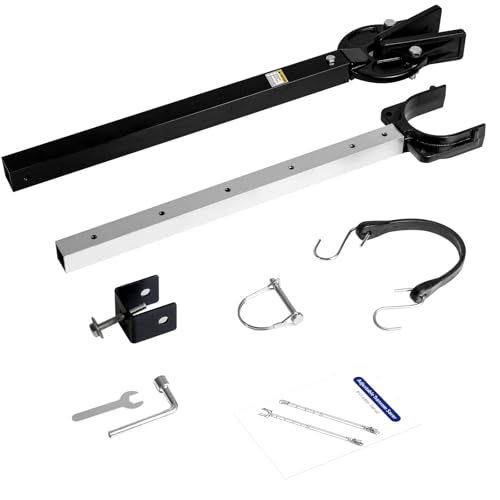
The Pextian transom saver includes a complete package with a main shaft, telescoping shaft, trailer mount bracket, bolts, gaskets, and accessories. It is fully adjustable from 23 to 35 inches and designed for motors up to 100 HP. The aluminum build promises durability, while the included hardware supports quick installations. Best for buyers who want an all-in-one kit with straightforward setup. Limitation: requires proper alignment during installation to ensure full effectiveness.
Wyckoff Adjustable Boat Transom Saver

Wyckoff’s transom saver emphasizes anti-scratch protection with a composite head and marine-grade ABS clamp, paired with galvanized aluminum for corrosion resistance. It extends 23 to 35 inches and supports motors up to 100 HP. This option suits boaters who value lower maintenance and stronger, corrosion-resistant hardware. Best for boats where the risk of scrapes during transport is a priority. Caution: ensure trailer conditions allow use of a composite head without hitting trailer components.
JY PERFORMANCE Adjustable Transom Saver

JY PERFORMANCE provides an adjustable transom saver from 23 to 35 inches, designed for motors up to 100 HP. The product emphasizes weight distribution and stability, using high-quality aluminum. It is a solid choice for boaters who want a straightforward, dependable solution that is simple to install. Limitation: check that your engine’s trim or tilt system is compatible with the mounting hardware before purchase.
Sebnux Boat Transom Saver
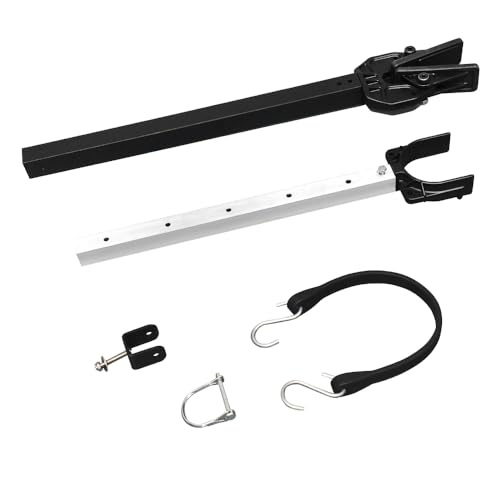
Sebnux offers a robust transom saver with a composite head and heavy-duty aluminum, designed to hold engines up to 100 HP. It provides strong support and anti-scratch protection, making it suitable for frequent trailer use. The 23–35 inch adjustable range ensures compatibility across various boat-trailer configurations. Best for users seeking high-strength performance with protective features. Limitation: verify if the mounting hardware fits your trailer’s track system before purchase.
Buying Guide
What is a transom saver and why do I need one?
A transom saver reduces stress on the boat’s transom by distributing engine weight during transport. It prevents hull flexing, prevents engine alignment shifts, and lowers the risk of damage to the motor jack plate and mounting hardware. Choose this if you trailer your boat regularly and want to protect critical structures.
How long should a transom saver be?
Most models extend from 23 to 35 inches, accommodating a range of boat lengths and motor heights. Pick a length that matches your typical trailer height and engine tilt positions to ensure full engagement without overextension.
What materials matter?
Aluminum provides durability and light weight. A composite head offers anti-scratch protection for the transom and clamps. Marine-grade coatings resist corrosion in saltwater environments. If you transport frequently, prioritize anti-rust features and robust clamps.
What additional mounting considerations exist?
Check for compatibility with your trailer setup, including roller brackets and trailer-mount brackets. Some units require removal before launching, others remain attached. Ensure the hardware can handle your engine’s trim or tilt status and that installation won’t interfere with trailer operation.
How should I maintain a transom saver?
Inspect hardware for corrosion, clean contact surfaces, and ensure pins and retainers are secure. Lubricate moving parts if recommended by the manufacturer, and verify the length setting before each trip to maintain proper engine support.
Best practices for selection
- Choose a model rated for your engine size (up to 100 HP is common among these options).
- Favor kits with complete hardware for easy installation and adjustment.
- Look for anti-scratch features to protect the transom during transport.
FAQ
- Do transom savers need to be removed before launching?
Many models are designed to be removed before launching; some stay in place. Follow the product’s guidelines to avoid interference with launching and water operation.
- Can I use a transom saver with two engines or more?
Transom savers are typically designed for single outboard motors up to 100 HP. For multi-engine setups, verify compatibility with your boat’s transom and trailer configuration.
- Will a longer saver improve protection?
A longer saver can improve stability on taller trailers, but it must fit your trailer height and engine trim range. Choose the length that aligns with your typical trailer setup.
- Are composite heads necessary?
Composite heads reduce friction and protect the transom, especially during repeated trailering. They are common in premium options.
- What maintenance is required?
Regularly inspect pins, clamps, and mounting points for wear or corrosion. Clean surfaces and apply recommended lubricants to moving parts as needed.