Best Bow Eyes for Aluminum Boats: Top Fittings for Docking and Towing
Choosing the right bow eye is essential for secure docking, towing, and rigging on aluminum boats. This guide highlights five reliable bow eyes that resist corrosion, fit common hull profiles, and simplify installation. Each option listed below is suited for aluminum craft, from small jon boats to larger fishing boats, and covers a range of mounting styles—from weldable to bolt-on designs. Read on to compare features, recommended uses, and installation considerations to help make an informed purchase.
| Product | Brand | Mount Type | Notes |
|---|---|---|---|
| ISURE MARINE Aluminum Bow Eye | ISURE MARINE | Bolt-On / Rope Hole | Corrosion-resistant aluminum; straightforward installation |
| Hillside Castings One Pair Cast Aluminum Bow Eye | Hillside Castings | Weldable | Made in America; comes as a pair |
| Hillside Castings Cast Aluminum Bow Eye Weldable | Hillside Castings | Weldable | U-Bottom design for secure attachment |
| Sea-Dog 079710 Bow Eye | Sea-Dog | Weldable | Cast aluminum; standard 2-3/4″ length |
| Seachoice Bow Eye | SEACHOICE | Single Shank | Versatile for tow lines or trailer hooks |
ISURE MARINE Aluminum Bow Eye

The ISURE MARINE bow eye is crafted from high-quality aluminum for durability and corrosion resistance in saltwater environments. It features a straightforward installation process to minimize labor and ease fitting on aluminum hulls. Key dimensions include a length of 110 mm (4.33 inches), a thickness of 10 mm (0.39 inch), and a maximum width of 59 mm (2.32 inches). The design accommodates a large-hole width of 30 mm (1.18 inches) and a large-hole length of 45 mm (1.77 inches), with a small circular hole of 23 mm (0.91 inch) for secure rope passage or fasteners. Suitable for docking and mooring tasks.
Features: corrosion-resistant aluminum, simple installation, versatile hole sizes for various rigging needs.
Hillside Castings One Pair Cast Aluminum Bow Eye

These are a pair of cast aluminum bow eyes designed for weldable installation. Manufactured in America, they provide a robust solution for replacing worn fittings or outfitting a new aluminum boat with reliable tie-down points. The weldable design ensures a strong, permanent attachment to the bow area, making them suitable for lifting, mooring, and tow line applications.
Features: aluminum construction, weldable, made in America, sold as a pair.
Hillside Castings Cast Aluminum Bow Eye Weldable
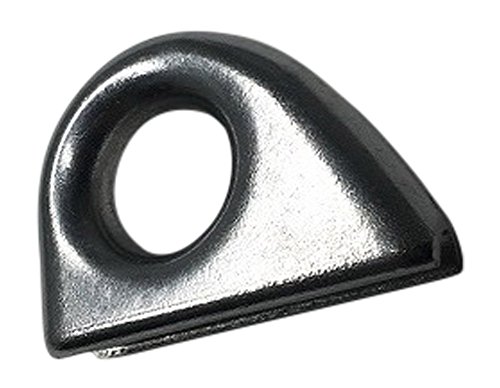
The Hillside Castings Cast Aluminum Bow Eye features a cast aluminum U-bottom bow eye designed for weldable installations. Its form supports secure anchoring for towing lines or mooring, with a reliable weld-on connection to the hull. This option is ideal for anglers and boaters seeking a long-lasting, permanent bow eye resistant to marine exposure.
Features: cast aluminum construction, weldable, U-bottom bow eye design.
Sea-Dog Bow Eye

The Sea-Dog bow eye is a cast aluminum component sold per piece with a 2-3/4″ overall length, designed to be welded or mounted to the bow area of a boat. It provides a sturdy anchor point for mooring lines, anchor chocks, or towing lines, delivering reliable performance in corrosion-prone marine environments.
Features: cast aluminum, weldable, standard 2-3/4″ length, sold individually.
Seachoice Bow Eye

The Seachoice bow eye offers a single shank design suitable for tow lines or boat trailer winch hooks. This bow eye is adaptable for both bow or transom mounting and features a shank length of 3 inches with a 3/8 inch diameter. It is an economical option for recreational boats needing a dependable, straightforward attachment point for lines and lashing.
Features: single shank, versatile mounting, shank length 3 inches, eye diameter compatible with common lines.
Buying Guide: Key Purchase Considerations And Comparisons
When selecting a bow eye for an aluminum boat, consider the following factors to ensure the best fit, performance, and longevity:
- Mounting method: Choose bolt-on, weldable, or shank designs based on hull material, thickness, and your maintenance preferences. Weldable options offer permanent strength but require basic fabrication skills or a professional welder.
- Material and corrosion resistance: Aluminum bow eyes are common for aluminum hulls due to similar electrochemical properties. Look for high-grade aluminum and protective finishes to resist saltwater corrosion, abrasion, and UV exposure.
- Load and usage: Assess the intended use—docking, towing, or lifting—and select a bow eye with appropriate load ratings and hole configurations that accommodate lines, shackles, or hooks.
- Size and compatibility: Confirm overall length, hole sizes, and mounting hole spacing align with your deck or bow geometry. Inadequate fit can compromise strength and performance.
- Installation considerations: Bolt-on eyes are easier to replace but may require hardware compatibility with existing fittings. Weldable eyes demand a stable work environment and proper welding techniques for durable results.
- Pairing with other components: Ensure the bow eye harmonizes with lines, cleats, and fairleads in your mooring or towing setup to minimize wear and ensure smooth operation.
- Availability and origin: American-made or domestically manufactured bow eyes often reflect stricter quality controls and readily available replacement parts in the U.S. market.
In practical terms, weldable options tend to provide the strongest, most permanent bond for rugged use, such as serious towing or lifting. Bolt-on and shank-based designs offer flexibility and easier replacement, which can be advantageous for seasonal or modular setups. For saltwater use, prioritize corrosion-resistant finishes and reliable seal design to extend service life. Always verify compatibility with your hull thickness and reinforcement when upgrading from older fittings.