Best 8 VHF Marine Antenna Solutions for Boats
The best 8 VHF marine antenna options provide reliable radio range, corrosion resistance, and easy installation for boaters. This guide highlights five top picks and who they’re best for, helping you choose the right antenna for your vessel and radio setup. Suitable buyers include coastal cruisers, weekend anglers, and long-range vessels needing clear communications at sea.
| Product | Best For | Key Benefit |
|---|---|---|
| Shakespeare 5206-N 8′ VHF Antenna | Casual and everyday boaters | Reliable performance in a classic 8-foot form |
| Shakespeare Galaxy 5225-XT 8′ VHF Antenna | Sea spray regions; spaces with height limits | Collinear 5/8 wave elements for better range |
| Shakespeare VHF 8′ 5101 Black Antenna | Stealth install and standard radios | Classic design with durable fiber build |
| Shakespeare 5225-XT-RL 8′ Galaxy Antenna | Maximum range on small mounts | 1-piece construction with high-efficiency elements |
| SIGNALPLUS Marine Base Antenna | Budget-friendly, versatile radios | Broad compatibility and robust waterproofing |
Shakespeare 5206-N 8′ VHF Antenna

The Shakespeare 5206-N offers a dependable 8-foot VHF solution suited for boats that need a straightforward, proven design. Best for: boaters seeking a reliable, no-frills antenna for everyday VHF communications on lakes or nearshore waters. Caution: limited feature set compared to high-gain, multi-element designs; consider as a primary antenna for standard use rather than long-range high-demand scenarios.
Shakespeare Galaxy 5225-XT 8′ VHF Antenna – 6dB Gain – Reduced Length
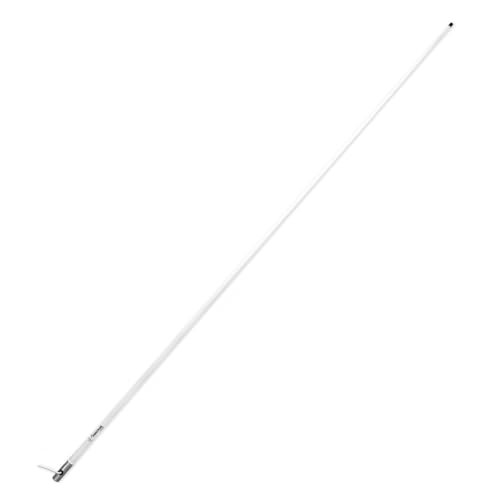
The Galaxy 5225-XT features collinear 5/8 inch wave elements and a white finish, delivering improved range in a compact 8-foot footprint. Best for: vessels needing extended reach without increasing antenna height, or boats with fixed mounting constraints. Caution: taller, more complex designs may require careful tuning and mounting alignment to maximize gain.
Shakespeare VHF 8′ 5101 Black Antenna Classic
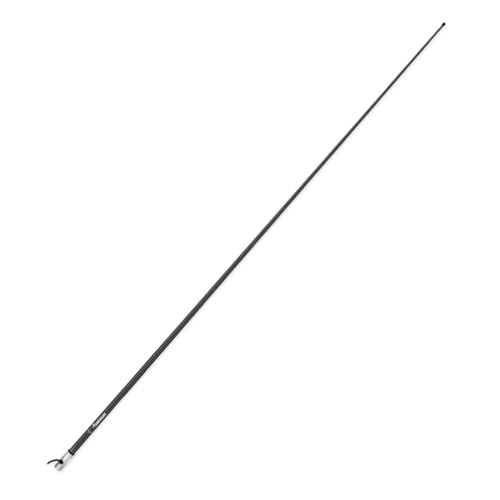
The 5101 Black Antenna presents a classic 8-foot fiberglass build with a simple RG-58 cable connection, making it a reliable choice for standard VHF requirements. Best for: boaters who want a durable, low-profile look with straightforward installation. Caution: not optimized for the highest gain applications; may be outperformed by multi-element designs in distant conditions.
Shakespeare 5225-XT-RL 1-Piece VHF Galaxy Antenna

The 5225-XT-RL combines 1-piece construction with 6dB gain, featuring brass and copper elements for maximum range and efficiency. Best for: mariners who need a high-efficiency antenna with minimal assembly and robust performance in exposed locations. Caution: 1-piece design may offer less flexibility for mounting orientation in cramped spaces.
SIGNALPLUS Marine Base Antenna

The SIGNALPLUS base antenna covers 156-163 MHz with 3.5 dBi gain and uses a fiberglass, waterproof, corrosion-resistant construction. Best for: budget-conscious buyers needing broad compatibility with many VHF radios. Caution: lower gain than some premium models; may have shorter effective range in heavy weather or long-range scenarios.
Buying Guide: Key Considerations for 8 Ft VHF Marine Antennas
What range do you need? Higher gain antennas improve distant contact, but balance with mounting space and vessel height. If you’re near busy harbors, standard gain may be sufficient. For long open-water passages, prioritize gain and durability.
What mounting constraints do you face? Some boats have limited vertical clearance or tight spaces. The Galaxy 5225-XT family and 1-piece variants are useful when space is a premium, while traditional 8-foot designs suit open decks.
Materials and corrosion resistance matter. Fiberglass and stainless components outperform in saltwater environments. Look for UV-stable finishes and fully enclosed elements for longevity.
Compatibility with your radio and connectors. Most VHF radios use a standard SO-239/bulkhead connector. Confirm that the antenna’s connector type and mounting hardware align with your radio model and mounting plate.
Ease of installation and maintenance. Simplified assemblies reduce setup time, while robust cables like RG-58U support straightforward upgrades or replacements on a budget.
Frequently Asked Questions
- What is the advantage of a higher-gain VHF antenna?
Higher gain improves communication range by focusing energy in a specific direction, which helps reach distant ships or shore stations. - Do I need to replace my antenna when upgrading radios?
Not always. If your current antenna matches the radio’s frequency range and connector, you can reuse it, otherwise upgrading can improve performance. - Is fiberglass better than metal for marine antennas?
Fiberglass antennas are typically more resistant to corrosion and are lighter, which benefits mounting flexibility and longevity on saltwater vessels. - How should I choose between a one-piece and a multi-piece antenna?
One-piece designs offer quick installation and fewer joints, while multi-piece configurations can provide flexible mounting in tight spaces and easier replacements. - What maintenance does a VHF antenna require?
Regular inspection for cracks, corrosion, and loose fittings; clean connectors and ensure the mount remains secure in changing weather conditions. - Can I install a longer antenna if space allows?
A longer antenna can improve range, but ensure it doesn’t collide with lines, antennas, or overhead structures and that your mast and mounting can support the weight.