Best Marine Anti-Siphon Valves for Safe, Theft-Prevention Fuel Systems
When choosing a marine anti-siphon valve, the goal is reliable one-way flow that prevents siphoning, reduces fuel spills, and complies with USCG regulations. This guide highlights five top options best suited for different boat setups—from small fishing craft to larger vessels with permanent fuel tanks. The selections emphasize corrosion resistance, compatibility with standard 1/4″ NPT fittings and 3/8″ hoses, and straightforward installation. Read on to see who each product is best for, and why one may suit your fuel system better than another.
| Product | Fit Type | Best For | Key Benefit |
|---|---|---|---|
| Seachoice Anti-Siphon Valve | 1/4″ NPT x 3/8″ hose | Small to mid-sized boats | USCG-regulated, corrosion-resistant aluminum |
| Attwood 88FAS014-6 | ¼” NPT x 3/8″ barb | OEM replacement on older tanks | Dependable, simple hookup |
| Moeller 033808-10 | 3/8″ NPT x 3/8″ barb | Permanent tanks on larger boats | Coast Guard-standard protection |
| Moeller 033807-10 | 3/8″ NPT x 1/4″ barb | Brass Anti-Siphon for robust setups | High-HP boats, metal tanks |
| BZTT Anti-Siphon Valve | 1/4″ NPT x 3/8″ I.D. | Value-conscious installs | Compact, versatile fittings |
Seachoice Anti-Siphon Valve, 1/4 in. NPT, 3/8 in. Hose
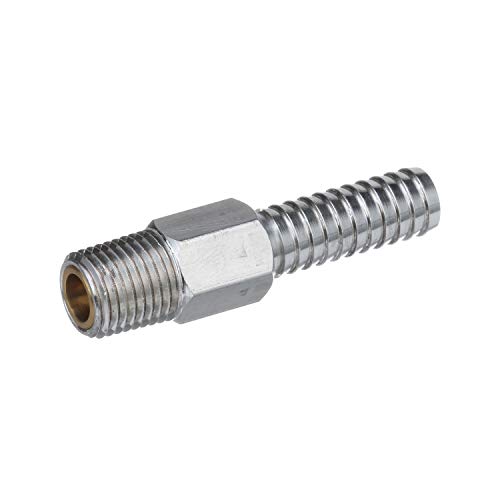
Brand: SEACHOICE. Features: One-way anti siphon valve prevents fuel theft and spillage; corrosion-resistant aluminum; meets USCG regulations. Best for boat owners needing a straightforward, compliant valve that fits common 1/4″ NPT ports and 3/8″ hoses. Suitable for livewells or fuel lines on small craft. Caution: aluminum construction can conduct heat; ensure proper routing away from high-heat areas.
Marine Anti Siphon Valve Replacement (2 Pack)

Brand: doufuhua. Features: One-way valve to prevent siphoning; 1/4″ NPT and 3/8″ hose fittings; USCG-regulated compatibility; designed to fit common boat fuel tank pickups and outlets. Best for boaters needing a cost-effective upgrade or replacement for blocked valves. Caution: two-pack quantity may be more than needed for single-tuel setups; verify hose size before purchase.
Attwood 88FAS014-6 Fuel Tank Fitting — ¼-in. NPT x 3/8-In. Barb
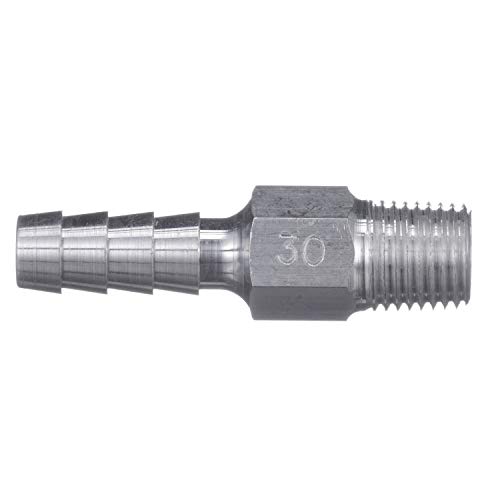
Brand: attwood. Features: Dependable replacement for original equipment; provides sure fuel line connection; male thread. Best for owners upgrading OEM components on established fuel systems. Caution: check thread compatibility with your tank fittings to avoid leaks.
Marine Anti Siphon Valve Replacement (2 PCS)

Brand: Adabuing. Features: One-way anti siphon valve; prevents fuel theft and spills; 1/4″ NPT and 3/8″ hose fittings; meets USCG regulations; top-of-tuel tank attachment. Best for boats needing a secure valve that fits standard tank fittings. Caution: verify compatibility with metal vs. plastic tanks to ensure a tight seal.
Moeller 033807-10 Anti-Siphon Valve

Brand: Moeller. Features: Brass, 3/8″ barb, 1/4″ NPT, 30 calibration; anti-siphon protection required on permanent installations; hose barb design. Best for heavier-duty setups and older tank installations that require brass components. Caution: brass construction may be heavier and pricier than aluminum counterparts.
Buying Guide
What should you consider when selecting a marine anti-siphon valve?
- Compatibility: Verify NPT and hose/barb sizes (1/4″ NPT x 3/8″ hose is common). Ensure valve fittings align with your fuel tank pickup and outlet.
- Material: Aluminum resists corrosion; brass offers durability for permanent installations. Choose based on your tank material and environment.
- Regulatory compliance: Look for valves that meet USCG or applicable maritime standards to avoid installation issues.
- Installation context: For portable tanks vs. permanently installed tanks, select a valve designed for the intended mounting and access.
- Mounting location: Place valves where fuel leakage would be detectable and away from heat sources or ignition risk.
FAQ
- Do marine anti-siphon valves prevent all fuel theft? They deter siphoning through the fuel line but do not stop theft from other parts of the system. Regular inspection is advised.
- Are these valves required by law? Some installations require anti-siphon protection, and many models meet USCG standards. Verify local regulations for your vessel.
- Can I install these myself? Most are designed for straightforward inline installation between the tank and engine; follow manufacturer instructions for proper sealing.
- What maintenance is required? Periodic checks for leaks, corrosion, and hose integrity help ensure continued one-way operation.
- Which material should I choose? Aluminum offers lighter weight and corrosion resistance; brass provides durability in high-use or permanent installations.
- Is it okay to run dual valves on a single system? In some setups, two valves may be used for redundancy, but ensure compatibility and consult an installer if uncertain.