Best Marine Grade Wood Sealants for Outdoor Wood Projects and Boats
Find the right marine grade sealant for wood to protect decks, docks, boats, and outdoor furniture. This guide compares five top products, highlighting who they’re best for, how they perform in marine conditions, and practical limitations. Use these picks to match your project type—above-water surfaces, below-waterline exposure, or high-UV environments.
| Product | Best For | Key Benefit |
|---|---|---|
| Seal-ONCE Marine Penetrating Wood Sealer | Marine decks, docks, and outdoor wood near water | UV-stable water repellency with low odor |
| Rust-Oleum Marine Spar Varnish | Exterior wood above the water line | Oil-based, expands/contracts with weather |
| Thompson’s WaterSeal Clear Wood Sealer | General exterior wood projects needing protection | Dries clear to protect natural color |
| TotalBoat Wood Sealer (Marine Grade) | New bare wood prepping for varnish | Fills grain, UV protection at wood level |
| 3M Marine Grade Silicone Sealant | Above-waterline sealing for boats and RVs | Flexible, quick cure, easy to apply |
Seal-ONCE Marine Penetrating Wood Sealer And Waterproofer

Best for: Outdoor wood in marine environments where UV protection and water repellency are priorities. This product creates a UV-stable coating that defends against saltwater spray and water damage. It is water-based with ultra-low VOC and is suitable for decks, thermally modified wood, and boat docks. Note: Not intended for hardwoods such as ipe, mahogany, or teak.
Why selected: It delivers a protective barrier at the cellular level, preserving natural color while extending wood life in constant moisture conditions near rivers, lakes, and oceans. It’s a practical choice when you want a penetrating seal that reduces maintenance over time.
Caution or limitation: Not recommended for hardwoods like ipe, mahogany, or teak.
Rust-Oleum 207008 Marine Spar Varnish

Best for: Exterior wood surfaces above the water line, such as trim, railings, and outdoor furniture. The oil-based formula expands and contracts with changing weather, ensuring durable protection in variable conditions.
Why selected: It provides a traditional varnish approach with strong flexibility for marine weather cycles. It dries to the touch quickly and covers a broad area, aiding easier maintenance on DIY projects.
Limitation: Oil-based varnishes may require longer cleanup and curing times in cooler weather.
Thompson’s WaterSeal Clear Wood Sealer
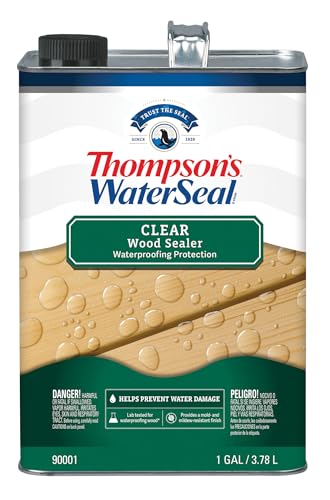
Best for: General exterior wood surfaces requiring water protection while preserving a natural look. Dries clear to maintain the wood’s natural color.
Why selected: This sealer is versatile for decks, siding, and brick or concrete waterproofing tasks, making it a convenient all-around option for homeowners who want a simple, clear finish that blocks water intrusion.
Limitation: Not a stain; it seals without adding color, which may be undesirable for wood that needs a tinted finish for visibility or aesthetics.
TotalBoat Wood Sealer – Marine Grade

Best for: New or bare wood requiring grain filling and a smooth surface for varnish, including plywood and oily hardwoods like teak and mahogany. It provides UV protection at the wood grain level to prevent cracking and peeling.
Why selected: It creates a stable foundation for a one-part marine varnish system and supports multiple finishing options, allowing a durable, professional-looking result with fewer coats. It’s easy to apply by brushing, rolling, or spraying.
Limitation: If thinning is needed, you must follow specific thinning guidelines to maintain performance.
3M Marine Grade Silicone Sealant
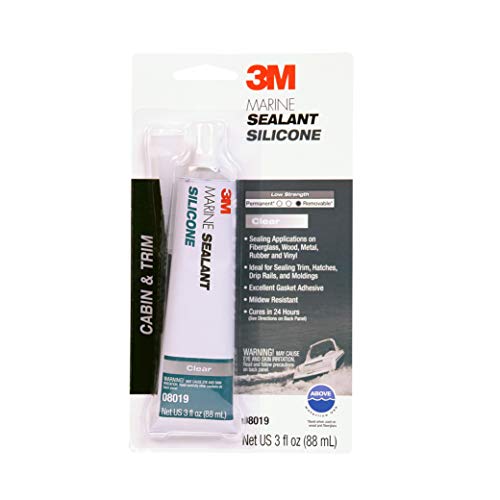
Best for: Above-waterline sealing on boats, RVs, and other marine applications where flexible, watertight seals are needed on metal, glass, fiberglass, and non-oily woods. Cure is relatively fast for quick projects.
Why selected: Silicone sealants deliver reliable flexibility and adhesion in marine environments, making them a solid choice for sealing joints and gaps where movement occurs. It’s a practical option when you need a ready-to-use product with minimal mess.
Limitation: Silicone sealants can be less paint-friendly if you plan to paint over the sealed area later.
Buying Guide: Key Considerations For Marine Grade Wood Sealants
- Exposure type: Choose products based on above-waterline use, below-waterline exposure, or full marine immersion. Varnishes and penetrating sealers behave differently under salt, sun, and splash zones.
- Finish goal: Do you want a clear protective layer, a richly tinted look, or a hard varnish film? Oil-based varnishes tend to form tougher film; water-based sealers minimize odor and cleanup.
- Wood type: Some formulas are not recommended for hardwoods (e.g., ipe, teak, mahogany). For bare or oily hardwoods, look for products designed to bond with such substrates.
- Application and cure: Consider whether you need fast cure times, easy cleanup with soap and water, or the ability to spray, brush, or roll.
- Maintenance interval: Some sealants extend the interval between re-coats due to UV protection, while others may require more frequent upkeep in sunny, salty environments.
- Environmental and safety factors: If low odor and low VOC are important, water-based options typically perform better, but ensure the product meets local regulations.
Frequently Asked Questions
- What is marine-grade wood sealant best used for? – It protects wood in outdoor and water-exposed areas such as decks, docks, boat gauges, and furniture from moisture, UV damage, and salt spray.
- Should I use a sealer or a varnish for boats? – Seals and penetrating sealers protect against water ingress, while varnishes add a hard, glossy protective layer. For a traditional wood finish on boats, varnishes are common; sealers are useful as prep or for maintenance between coats.
- Can a water-based sealer be used outdoors near saltwater? – Yes, many water-based sealers are formulated for outdoor use and provide UV resistance and water repellency, though check product specifics for salt exposure.
- Is it necessary to remove old coatings before applying a marine sealant? – In most cases, removing loose coatings improves adhesion and results. Follow product guidance for surface preparation requirements.
- Do marine sealants require ventilation during application? – Yes, especially solvent-based products. Use in a well-ventilated area and follow safety instructions on the label.
- Can I repaint after sealing? – Some products allow painting over cured sealants, but most flexible silicone-based sealants should be painted over only with compatible paints. Check compatibility notes for the exact product.