Best 15w-40 Marine Oils for 4-Stroke Engines in Modern Boats
When choosing a 15W-40 marine oil, the goal is reliable engine protection, corrosion resistance, and performance under high heat and saltwater conditions. This guide highlights five top options and explains who benefits most from each choice. Ideal buyers include sport boat owners seeking robust wear protection, commercial operators needing durability for long deployments, and casual cruisers wanting strong cold-start performance. The brief overview below compares key strengths to help you decide quickly.
| Product | Brand | Best For | Why It Stands Out |
|---|---|---|---|
| Sierra 15W-40 Multi-Vehicle (5 Qt) | Sierra | Versatile fleets, budget-conscious | Multi-vehicle compatibility |
| Valvoline Heavy Duty Full Synthetic 15W-40 | Valvoline | Diesel engines, heavy loads | Full synthetic, wear control |
| Valvoline Premium Blue One Solution 15W-40 | Valvoline | Cold starts, deposits control | Cold-start protection, soot control |
| STAR BRITE Pro Star Super Premium 15W-40 | STAR BRITE | High-demand engines | Wide standards, broad brand compatibility |
| Quicksilver 25W-40 4-Stroke Marine | Quicksilver | Mercury engines, high-performance | Direct replacement, corrosion protection |
Sierra 15W-40 Multi-Vehicle (5 Qt)

The Sierra 15W-40 Multi-Vehicle is a versatile choice for boaters with multiple engines or fleets that require a single oil to cover various equipment. Best for budget-conscious owners who value multi-vehicle flexibility and straightforward maintenance. The 5-quart size helps with regular top-offs and easy storage. Caution: verify that all engines in use accept multi-vehicle formulations to prevent compatibility issues.
Valvoline Heavy Duty Full Synthetic 15W-40

Designated for diesel and heavy-duty marine use, this Valvoline oil emphasizes wear protection and deposit control. Best for boats with high-hour cycles, demanding workloads, or engines operating in hot climates. Its full synthetic base aims to extend engine life under heavy loads. Limitation: some users may prefer a synthetic blend for certain saltwater scenarios; verify field requirements for your model.
Valvoline Premium Blue One Solution SAE 15W-40
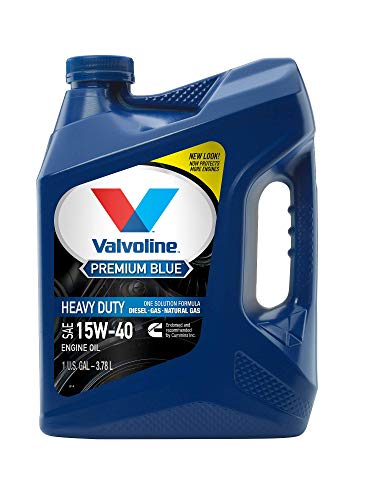
This Valvoline formula focuses on wear protection, oxidation resistance, and soot control. Best for boats with extended idle periods and frequent cold starts, where protection from deposits and rust is crucial. Choose this if you need dependable starting performance and long-term cleanliness. Limitation: may be less ideal for engines requiring advanced low-temperature flow beyond its formulation.
STAR BRITE Pro Star Super Premium 15W-40

STAR BRITE Pro Star is designed for broad compatibility and heavy-duty protection. Best for users requiring cross-brand engine support, including Caterpillar, Cummins, and Volvo, with a single oil to simplify maintenance. Caution: while very versatile, verify if your engine specifications call for a more specialized formulation for extreme duty cycles.
Quicksilver 25W-40 4-Stroke Marine

Quicksilver’s 25W-40 is a direct replacement option for specific Mercury Marine engines. Best for four-stroke marine engines that require robust corrosion resistance and wear protection in high-use conditions. Choose this oil if your engine model aligns with Mercury’s recommended 25W-40 formulation. Limitation: not universally compatible with all non-Mercury engines; check your model’s compatibility list.
Quicksilver 25W-40 4-Stroke Synthetic Blend

Quicksilver’s synthetic blend offers enhanced corrosion resistance and wear protection, optimized for high RPM 4-stroke outboards. Best for performance-minded boats that frequently operate at higher engine speeds. Choose this if you need a balance between cost and performance. Limitation: may not deliver the same pure synthetic protection in extreme heat as full synthetic equivalents.
Valvoline 4-Stroke Marine Full Synthetic 1 Gallon

This Valvoline full synthetic is designed for 4-stroke marine engines, emphasizing wear protection and rust defense. Best for boats that spend time in saltwater or experience moisture exposure, where durability under humidity matters. Caution: fully synthetic formulas can be more expensive than blends; ensure it aligns with your engine’s manufacturer recommendations.
Shell Rotella T5 Synthetic Blend 15W-40

Shell Rotella T5 blends provide triple protection against wear, deposits, and oil breakdown. Best for on-highway fleets that double as marine workhorses or for owners who require a balance of protection and cost. It’s also well-suited for high-temperature operation and heavy loads. Caution: some users prefer fully synthetic oils for extreme heat conditions; compare with pure synthetics if extreme reliability is essential.
Buying Guide: Key Considerations for 15W-40 Marine Oils
- Engine type and manufacturer recommendations: Always check your engine’s manual for the preferred viscosity, additive package, and brand compatibility.
- Engine load and climate: Diesel-heavy boats or high-RPM outboards may benefit from full synthetic or high-oxidation resistance formulations.
- Oil type versus cost: Full synthetic oils offer better protection at a higher price; blends offer a middle ground.
- Cold-start performance: In cooler waters, formulations with improved low-temperature flow help reduce wear during startup.
- Protection goals: If corrosion and rust exposure are concerns, prioritize oils with robust rust defense features.
Frequently Asked Questions
- What does 15W-40 mean for marine engines?
It denotes the oil’s viscosity range, performing well across a wide temperature spectrum typical of marine environments. - Is a full synthetic 15W-40 better for saltwater boats?
Often yes, for wear protection and oxidation resistance, but verify compatibility with your engine. - Should I use a synthetic blend or full synthetic?
Blends balance cost and protection; full synthetic provides maximum protection under demanding conditions. - Can I mix brands if I have multiple engines?
Mixing brands is not advised; use the same specification across all engines to maintain uniform protection. - How often should I change marine oil?
Follow manufacturer guidance; high-load or hot climates may require shorter intervals. - What’s the risk of using the wrong viscosity?
Using an improper viscosity can reduce lubrication efficiency, increasing wear and deposits.