Best 30 Lb Life Jacket Options for Kids and Small Teens That Fit Comfortably
Finding the right 30 lb life jacket means prioritizing a snug fit, reliable buoyancy, and a design that keeps kids comfortable during waterfront adventures. The best options here are USCG-approved PFDs sized for 30–50 pounds, with designs tailored for easy motion, secure closures, and head support. This guide focuses on jackets best suited for children who weigh about 30–50 pounds, including youth and small-tall profiles. The top picks include open-side designs, neck support, and quick-dry materials, ensuring safer experiences for boating, swimming, and watersports. See the quick comparison table below for at-a-glance details on each model.
| Product | Best For | Key Benefit |
|---|---|---|
| Oceans7 US Coast Guard-Approved Kids Life Jacket | Active kids needing flexible fit | Open-sided design with adjustable straps |
| Stohlquist Child PFD Life Jacket | Parents seeking neck support | Face-up design with ergonomic foam |
| Stearns Child Life Jacket with Heads-Up Flotation | Water-safety-focused families | Heads-up neck float for face-up flotation |
| Stearns Kids Life Vest | Durable everyday use | Tough nylon shell with PE flotation foam |
| Airhead Trend Life Jacket | Active water sports | Less bulky, quick-dry design with secure closures |
Oceans7 US Coast Guard-Approved Kids Life Jacket 30-50 lbs
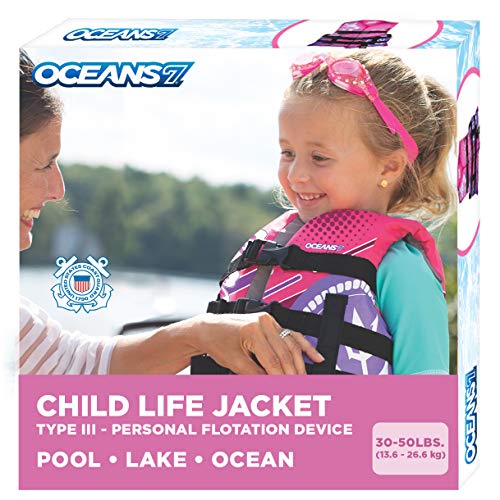
The Oceans7 life jacket is US Coast Guard-approved and sized for 30–50 pounds, with an open-side design for comfort and range of motion. It uses three adjustable straps to tailor the fit and features a flexible, lightweight construction suitable for swimming and boating. Best for younger children who need a comfortable, adjustable fit that won’t restrict movement.
Best for: Families seeking a flexible, easy-to-adjust PFD that accommodates growing kids. Caution: Fit may vary with torso length, so verify the jacket sits properly when fastened to avoid lifting toward the head.
Stohlquist Child PFD Life Jacket
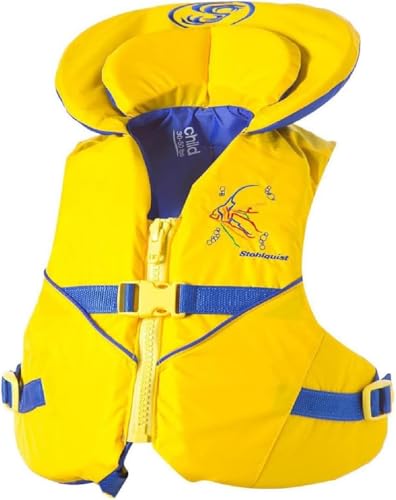
Stohlquist offers a trusted Type III life jacket designed for children in the 30–50 lb range, featuring face-up protection and ergonomic foam. It includes PVC-free Gaia and PE foam for buoyancy and comfort, with a design aimed at reducing chafing during longer sessions. This option is best for parents prioritizing head support and a durable build.
Best for: Families wanting dependable, face-up support and a long-lasting jacket. Caution: Some wearers may need adjustments for taller torsos or broader shoulders.
Stearns Child Life Jacket with Heads-Up Flotation

Stearns’ model is USCG Approved Type II, designed for children weighing 30–50 pounds and featuring a heads-up neck float to keep the face above water. It’s positioned as a practical choice for boating and pool activities, with straightforward entry and secure closures. The Heads-Up design enhances visibility and comfort during playtime in the water.
Best for: Families seeking reliable neck support and easy head-up flotation. Caution: Type II jackets may be less buoyant in rougher water compared to Type III options.
Stearns Kids Life Vest (Red)

Stearns’ kids vest is designed for children 30 to 50 pounds, featuring a tough nylon shell and PE flotation foam for durability and buoyancy. It’s a straightforward, no-frills option that works well for frequent use on the water. Best for: Those needing a durable, everyday PFD with reliable performance.
Caution: Check the sizing closely, as fits can vary between children with different torso lengths.
Airhead Trend Life Jacket for Kids

Airhead Trend is a USCG-approved option for 30–50 pounds, designed with a closed-sided, quick-dry NeoLite fabric. It combines secure buckles and a zipper closure for a tight fit, with a compact, lower-bulk profile suited for watersports and quick movements. Best for: Active kids who need freedom of movement and fast-drying materials. Caution: Some users may prefer more head support depending on activity level.
Buying Guide
What to look for when choosing a 30 lb life jacket
- USCG Approval and size range: Verify the jacket is USCG-approved and clearly labeled for 30–50 pounds. This ensures baseline buoyancy and safety standards.
- Fit and adjustability: Look for multiple straps, open-side design, or neck support to accommodate growing children and different torso lengths.
- Buoyancy and foam: Preference for PE or Gaia foam provides buoyancy with reduced bulk. Ensure the jacket turns most wearers face-up in calm water if head-up flotation is important to you.
- Material and durability: Quick-dry fabrics, UV-resistant shells, and sturdy closures help the vest last through seasons of use and frequent exposures to sun and water.
- Water activity alignment: Choose a jacket that matches your child’s activities—gentler design for lakes and pools, or more streamlined, secure closures for tubing and high-energy watersports.
Practical tips for selecting the right size
- Measure torso and height: The label “30–50 lbs” is a general guide; measure torso length to ensure the jacket sits properly across the chest without riding up.
- Check fit with fastened straps: Fasten all buckles and adjust, then perform a test lift with the child standing—should not rise significantly when lifted by the shoulders.
- Consider growth room: If the child is near the upper limit of the range, opt for a youth size if available or a model with extra adjustability.
Choosing by activity
- Boating and calm-water swimming: Favor neck-support designs and Type II or Type III jackets with secure closures.
- Active watersports: Prioritize open-side, quick-dry fabrics and compact profiles to maximize mobility.
- Frequent use and durability: Select jackets with tough shells and reinforced seams for long-lasting performance.
FAQ
- Q: Is a 30–50 lb life jacket suitable for a child who weighs exactly 30 pounds? A: Yes, if the jacket is properly sized and adjusted for the child’s torso length.
- Q: What’s the difference between Type II and Type III jackets for kids? A: Type II focuses on head-up flotation in calmer waters; Type III offers more mobility and is typically snugger for sports and active play.
- Q: Should I choose an open-sided design or closed sides? A: Open-sided designs provide greater range of motion; closed-sided designs offer a tighter fit and quicker donning.
- Q: How can I tell if the jacket fits correctly? A: The jacket should be snug but not restrict breathing; shoulders should stay in place when pulled gently upward.
- Q: Can a life jacket be used for multiple children? A: It’s best to use a jacket that fits each child properly; size and weight ranges are essential for safety.
- Q: How do I maintain the life jacket’s buoyancy? A: Rinse with fresh water after use, air-dry away from direct heat, and store flat to avoid deforming the foam.