Best Marine Cold Weather Gear for Ocean Sailing
Answering the question, this guide highlights top marine cold weather gear for sailors and anglers facing wind, spray, and chilly decks. The picks favor rugged waterproof protection, breathability, and high-visibility safety features. Ideal buyers include offshore sailors needing durable, weatherproof layers; coastal crew seeking reliable protection; and anglers who require warmth without sacrificing dexterity.
Summary table of chosen products
| Product | Brand | Best For |
|---|---|---|
| Men’s Ocean Sailing Suit Offshore Jacket & Bib Pants Combi Set – Red (XL) | NAVIS MARINE | Extreme weather sailing crews needing hi-visibility protection |
| Men’s Ocean Sailing Suit Offshore Jacket & Bib Pants Combi Set – Navy (L) | NAVIS MARINE | Rugged ocean racing and foul-weather outings |
| Men’s Ocean Sailing Suit Offshore Jacket & Bib Pants Combi Set – Black (XX-Large) | NAVIS MARINE | Large-framed sailors needing durable waterproof protection |
| Men’s Offshore Sailing Bib Pants | NAVIS MARINE | Layering and durable waterproof lower body for rough decks |
| Gill Meridian-X 2.0 Jacket | Gill | Cold, wet days on powerboats and offshore fishing |
NAVIS MARINE Red Hi-Vis Ocean Sailing Set

Best for: Offshore crews needing maximum visibility and waterproof protection. The set uses 3L-GORE PRO-TEX Ocean Technology for breathability and waterproofing. Hip and knee patches enhance durability on rough decks. The neon hood and reflective details improve safety in low visibility conditions.
Why chosen: The combination provides comprehensive head-to-toe protection with standout hi-vis features for early morning or night sails. Consider this if you prioritize visibility and long-wear comfort in extreme conditions.
Caution: The full suit may be bulky for quick movements in calm conditions; consider layering if sailing in milder weather.
NAVIS MARINE Navy Ocean Sailing Set, Large

Best for: Sailors who prefer a subdued color while maintaining top-tier waterproof protection. The navy version mirrors the red set’s core technologies for water shedding and rugged deck durability.
Why chosen: This option supports similar performance with a more discreet appearance, suitable for crews who want professional-grade gear without high-visibility accents.
Caution: If high-visibility is a priority for safety protocols, this color choice reduces conspicuity in rough seas.
NAVIS MARINE Black XX-Large Set

Best for: Larger-than-average sailors needing a roomy fit with robust waterproof protection and warmth. The black variant aligns with professional vessels that emphasize durability over visibility.
Why chosen: It maintains the same technical 3L-GORE PRO-TEX build and reinforced patches for heavy deck action, while providing size options for comfort with multiple layers.
Caution: Bulkier sizing may limit mobility in tight cockpit spaces; ensure measurements align with your layering needs.
NAVIS MARINE Offshore Bib Pants (Blue, XL)

Best for: Sailors who need durable lower-body protection with a breathable interior for long shifts on deck. The 3-layer waterproof construction and PTFE membrane offer reliable sealing against spray and rain.
Why chosen: This bib pants piece is ideal for mixing with jackets when weather is variable. It holds up under rigging and deck movement due to reinforced seams and stress points.
Caution: Fit may affect layering; verify inseam and waist measurements to ensure full mobility during active maneuvers.
Gill Meridian-X 2.0 Jacket
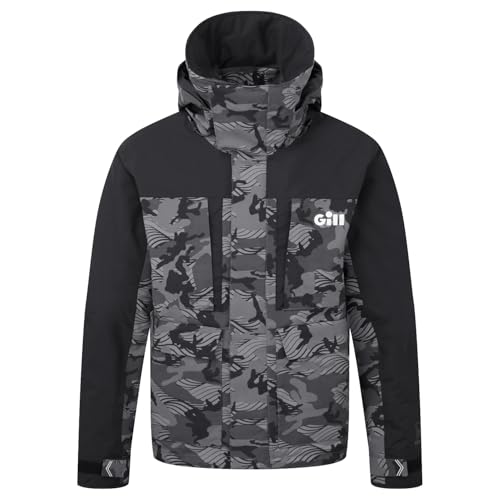
Best for: Anglers and offshore watermen who need a rugged waterproof shell with warmth. The XPLORE+ three-layer fabric, PFAS-free water-repellent finish, and taped seams provide comprehensive protection.
Why chosen: The jacket focuses on waterproof breathability and a closed-seal design that supports active movement while keeping water out. It’s a strong option when Gill’s XPLORE+ system is preferred.
Caution: PFAS-free finish may be less repellent than some legacy finishes in heavy spray; re-application considerations may apply over time.
Buying Guide
- Protection level: Look for three-layer or PTFE-laminated membranes for sustained waterproof performance and breathability in windy, spray-prone conditions.
- Breathability vs. Waterproofing: Favor fabrics with venting or breathable linings to prevent overheating during exertion on deck.
- Seams and closures: Fully taped seams and double storm flaps improve reliability in heavy rain. YKK zippers are a common durability indicator.
- Visibility and safety: Hi-vis colors and reflective details help keep sailors seen in low-light or rough seas conditions. Consider color choices based on safety requirements on your vessel.
- Fit and layering: Choose a fit that accommodates base layers, fleece, or down insulation without restricting movement. Rectify sizing needs, especially for XXL or larger frames.
- Durability features: Patches at hips and knees, reinforced panels, and abrasion-resistant fabrics extend deck life under rigging and scrapes.
- Maintenance: PFAS-free finishes may require specific cleaning regimens. Follow manufacturer care instructions to preserve waterproofing.
- Use case: For offshore racing, prioritize lightweight, breathable shells; for coastal cruising, prioritize warmth with robust seals and pockets for tools and charts.
FAQ
- What should I look for in marine cold weather gear? Waterproofing, breathability, seam construction, durability, and visibility features tailored to your typical sailing conditions.
- Is a full suit better than separate jacket and pants? A full suit offers integrated protection and consistent waterproofing, but separates can be more versatile for variable weather.
- Are PFAS-free finishes as effective? PFAS-free finishes can offer comparable water repellence with eco-conscious materials, though performance may vary by fabric.
- How should I size sailing gear? Allow space for base layers and movement; check if jackets offer adjustable cuffs and packable hoods for better fit across conditions.
- What colors are safest on rough seas? Hi-visibility colors (neon) and reflective accents are safest, especially during dawn, dusk, or foggy days.
- Can I wear these off the water? Yes, many items function well as winter outerwear, but some colorways and designs are tailored toward professional marine use.