Best Kids Sit-in Kayaks and Similar Models for Young Paddlers
Finding the right kayak for a young paddler means balancing stability, size, and ease of use. This guide highlights five kid-friendly sit-inside or closely related kayaks ideal for beginners and petite paddlers. The list targets youth up to the teen years, along with entry-level sit-on-top styles when relevant for growing riders. The table below compares core choices to help you decide quickly.
| Product | Type | Best For | Capacity |
|---|---|---|---|
| Perception Prodigy XS Sit-Inside Kayak | Sit-Inside | Teenagers and petite paddlers seeking stability | Lightweight petite design |
| MERXENG Kids Kayak | Sit-On-Top | Beginner kids learning balance on flat water | Up to 88 lbs |
| Lifetime Cadet Youth Kayak | Sit-Inside | Growing young paddlers with adjustable fit | Youth sizing with adjustable footrests |
| Lifetime Shark Youth Kayak | Sit-Inside | Young paddlers who enjoy a themed design | Up to 130 lbs |
| INTEX Challenger K1 | Inflatable Kayak | Travel-friendly, first-time paddlers | Up to 220 lbs |
Perception Prodigy XS Sit-Inside Kayak
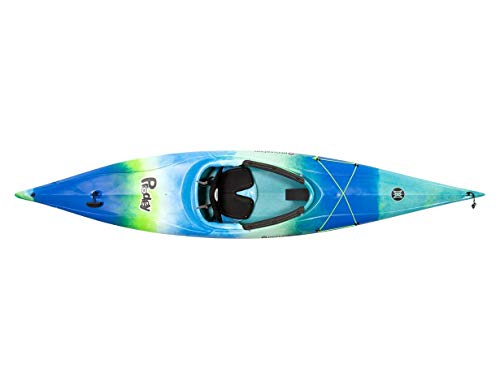
The Perception Prodigy XS is designed for teenagers and petite paddlers, prioritizing confidence-building stability, comfort, and performance. Its USA-made construction emphasizes a compact, sit-inside design suitable for smaller riders who need precise balance and controlled maneuverability on flat, slow-moving, or calm coastal waters. Best for young paddlers who want a true youth-oriented sit-inside experience and long-term growth in kayaking skills.
- Best for teenagers and petite paddlers who prefer a true sit-inside experience.
- Better for stability-focused sessions on calm waters and gentle coastal areas.
- Avoid if you require a sit-on-top model for quick re-entry or constant refloating after capsizes.
MERXENG Kids Kayak

The MERXENG kayak is a lightweight, sit-on-top option featuring UV-protected HDPE and a stable flat bottom. It supports up to 88 pounds and is suitable for pools, lakes, rivers, and calm ocean settings. This model is best for younger beginners who want a low-barrier, comfortable entry into water play and light fishing activities on calm surfaces.
- Best for beginners who prefer a sit-on-top design for easy re-entry and comfort.
- Better for calm water sessions and family-friendly water activities.
- Choose this if you value a simple launch-and-paddle experience with steady stability.
Lifetime Cadet Youth Kayak

The Lifetime Cadet Youth Kayak features a durable HDPE build, molded finger handles for transport, and adjustable footrests to accommodate growth. The design supports easy transport, re-entry, and straightforward paddling for developing paddlers aged five and up when supervised. It is best for families who want a reliable, adjustable entry-level kayak that grows with the child.
- Best for growing kids who need adjustable fit and simple handling.
- Better for supervised use on calm water with frequent re-entry practice.
- Avoid if you need a true sit-inside performance boat with advanced paddling features.
Lifetime Shark Youth Kayak

The Shark-themed Lifetime kayak emphasizes safety with a swim-up deck, built-in hand holds, and a stable hull that supports growing paddlers up to around 130 pounds. It includes multiple footrest positions to adapt to a child’s height, making it ideal for curious kids who want a stable, family-friendly vessel with an engaging design.
- Best for kids who appreciate a fun, themed design and solid stability.
- Better for longer sessions as they grow, thanks to adjustable footrests.
- Avoid if the rider exceeds the weight limit for optimal stability and tracking.
INTEX Challenger K1 Inflatable Kayak
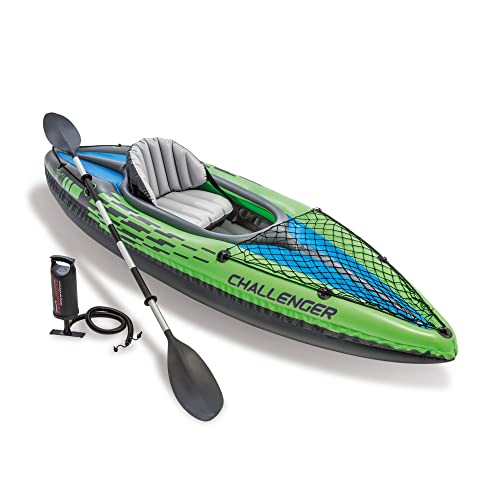
The Challenger K1 Inflatable Kayak offers a high-strength PVC shell with a low-profile design that is easy to paddle for kids and beginners. It includes a removable skeg and an adjustable seat with backrest, making it a practical option for families who travel or have limited storage space. Best for first-time paddlers who want a compact, portable setup.
- Best for travel or storage-conscious households.
- Better for beginners who value a cushioned, adjustable seating area.
- Avoid if you need the most rigid performance or rough-water capability.
Buying Guide: Key Considerations for Young Paddlers
- Intended user: Match the kayak to the child’s age, height, and weight. Look for adjustable footrests and seating that accommodate growth.
- Stability vs. performance: Sit-inside models generally offer greater tracking but require balance. Sit-on-top designs can be more forgiving for beginners and re-entry-friendly.
- Water type: For calm lakes and pools, almost any kid-friendly model works. For light coastal waters, prioritize hull stability and ease of exit/entry.
- Material and durability: HDPE shells are durable and easier to repair. Inflatable kayaks are portable but require proper inflation and puncture prevention.
- Portability and storage: Consider how easy it is to transport and store the kayak; inflatables and lighter youth models may be preferable for families with limited space.
- Safety features: Look for swim-up decks, hand holds, and effective cockpit design to support re-entry and safe paddling practice.
- Accessories: A proper paddle length, PFDs appropriate for youth, and a repair kit or patch kit can be valuable additions.
FAQ
- What size kayak should a child start with?
Begin with a kayak designed for youth or petite paddlers, with adjustable footrests and a cockpit that allows comfortable reach and balance.
- Are inflatable kayaks good for kids?
Inflatable models are travel-friendly and easy to store, but ensure proper inflation and stability for safe paddling on calm waters.
- Is a sit-on-top safer for beginners?
Yes, sit-on-top kayaks are typically easier to re-enter after a capsize and can be more forgiving for new paddlers.
- What water type is best for learning?
Calm lakes, pools, and slow-moving rivers are ideal for first-time paddlers to build confidence and balance.
- How much weight capacity is needed?
Choose a kayak with a weight limit comfortably above the child’s current weight to allow for growth and gear.
- What safety gear should accompany a kid’s kayak?
Always pair a properly fitted PFD with a whistle, a tow line, and basic water safety knowledge.