Best Trolling Motors for Pedal Boats: Power, Durability, and Maneuverability
Answering the common buyer question: which trolling motor offers reliable thrust, saltwater resilience, and easy handling for pedal boats? This guide selects five top options that fit small craft like kayaks, canoes, inflatables, and compact fishing boats. Each pick targets a specific use case—whether you need quiet cruising, stronger push, adjustable depth, or flexible control. The top choices are best for casual anglers, weekend explorers, and light-duty saltwater or freshwater adventures. The quick-reference table below helps compare core strengths at a glance.
| Product | Best For | Thrust | Notes |
|---|---|---|---|
| Newport NV-Series 36lb Thrust | Quiet, portable cruising | 36 lb | Saltwater capable; compact 30″ shaft |
| PEXMOR 36LBS Thrust | Balanced budget and features | 26 lb (listed 36 lb thrust in product text) | Adjustable handle; multiple speeds |
| Newport NV-Series 46lb Thrust | Stronger push for small boats | 46 lb | 3-blade prop; LED indicator |
| Minn Kota Edge 45 Lb Bow-Mount | Precise control and reliability | 45 lb | Foot pedal; built-in direction indicator |
| Minn Kota Edge 55 Lb Bow-Mount | Maximum thrust for wind/current | 55 lb | Foot pedal; easy stowage |
Newport NV-Series 36lb Thrust Trolling Motor

Best for lightweight, portable setups, this 36-pound thrust trolling motor is designed for kayaks, canoes, inflatables, and small boats. It is suitable for sailors who prioritize quiet operation and battery efficiency on calm waters. The 30″ shaft makes it easy to reach the waterline without overhang. Its saltwater-ready construction adds durability for coastal adventures. Consider this motor if you want a simple, reliable option without excessive weight.
Who it’s for: casual anglers and recreational paddlers who need a quiet, easy-to-maneuver power source for small vessels. Why selected: compact size, corrosion resistance, and a reliable two- or four-battery setup for extended use.
Caution: Users should verify compatibility with their transom mounting system and ensure proper battery configuration to achieve optimal runtime.
PEXMOR 36LBS Thrust 8 Speed Electric Trolling Motor
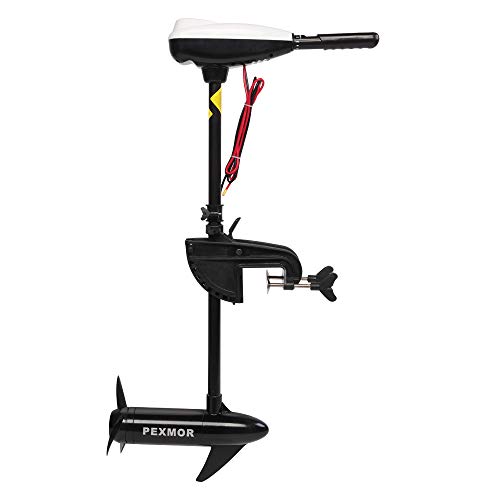
Best for boats needing a balance of power and control on a budget. The motor offers 6 forward speeds and 3 reverse speeds, plus a 6″ adjustable handle. It supports adjustable shaft depth and angle, which helps tailor the setup to various water conditions. Its efficiency and sturdiness suit saltwater and freshwater use on smaller craft.
Who it’s for: anglers who want versatile speed control and a longer reach without a big price tag. Why selected: adjustable handle, depth/angle flexibility, and durable build for everyday use.
Caution: The listed thrust may be closer to 26 lb in some descriptions; confirm exact thrust and speed range before purchase if you need higher power.
Minn Kota Edge Bow-Mount Electric Trolling Motor (45 Lb)
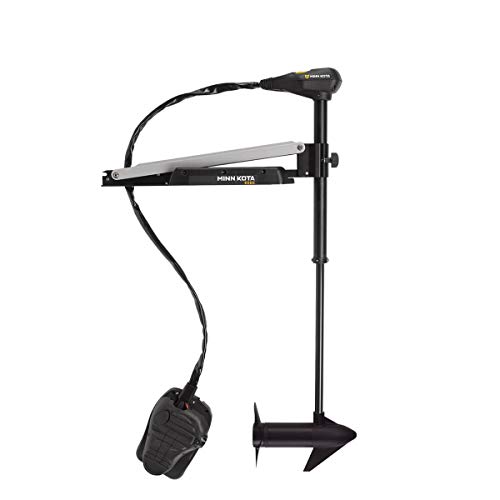
Best for precise control and reliable performance with a bow-mount design. This model features a heel-toe/cable-steer foot pedal with speed controls and momentary or constant on/off operations. The top-mounted directional indicator helps maintain orientation on the water, which is valuable for steering in tight spaces or variable currents. It is a preferred choice when exact positioning and easy stowage matter most.
Who it’s for: boaters who value intuitive pedal control and quick adjustments while fishing or cruising. Why selected: proven bow-mount reliability, user-friendly pedal, and easy removal via the latch & door bracket.
Caution: For smaller boats, ensure the motor weight and profile fit the transom without hindering balance or storage.
Minn Kota Edge Bow-Mount Electric Trolling Motor (55 Lb)

Best for maximum thrust on windy days or stronger currents when paddling or pedaling boats require more push. The 55-pound thrust version extends control in challenging conditions. The same bow-mount design offers the same helpful features—heel-toe cable steering, durable materials, a secure latch, and a built-in directional indicator. This option is a stronger choice for larger small boats or when you expect significant resistance from water or wind.
Who it’s for: anglers and boaters needing higher thrust to maintain position in moderate chop. Why selected: higher thrust, reliable bow-mount design, and familiar Minn Kota features.
Caution: Higher thrust can draw more battery power; plan power needs accordingly to avoid shorter runtimes on longer outings.
Buying Guide: Key Considerations For Pedal Boat Trowling Motors
- Thrust vs. Boat Size: Match thrust to vessel weight and typical water conditions. Smaller craft benefit from 30–46 lb options, while occasional wind or current may justify 55 lb in the same category.
- Mount Type: Transom vs. bow-mount changes handling. Bow-mounts offer precision and control, but may be heavier or harder to install on ultra-light craft. Transom mounts give easy retrofits on many small boats.
- Cooling and Durability: Saltwater-capable motors with corrosion-resistant components extend life in coastal or brackish environments.
- Control And Ergonomics: Adjustable handles, multiple speeds, and foot Pedals impact comfort and response time during long trips or fishing sessions.
- Battery And Runtime: Consider battery size and life with your usual trips. Run-time is influenced by thrust, propeller design, and water conditions.
- Propeller Design: 2-blade vs. 3-blade props affect efficiency and thrust. More blades can provide smoother thrust but may draw more power.
Frequently Asked Questions
- What is the best trolling motor for a pedal boat under 40 pounds of thrust? Answer: A 30–36 lb thrust motor is typically ideal for lightweight pedal boats, focusing on efficiency and quiet operation.
- Is saltwater capability important for pedal boats? Answer: If you sail in saltwater or near the coast, choose a motor with corrosion resistance to extend life even with occasional exposure to salt spray.
- Should I choose a bow-mount or transom-mount? Answer: Bow-mount offers precise control and is preferred for fishing and navigation, while transom-mount is often simpler and lighter for small, casual boats.
- How do I determine battery needs for a trolling motor? Answer: Assess typical trip length, desired run time, and motor thrust. Higher thrust generally requires larger batteries or additional packs.
- What maintenance is needed for electric trolling motors? Answer: Regularly inspect seals and connections, clean corrosion-prone areas, and ensure propeller is free of debris to maintain efficiency.
- Can I use a 12V motor on a 24V system? Answer: Not recommended; using mismatched voltage can damage the motor. Follow manufacturer guidelines for voltage compatibility.