Best Marine Raw Water Strainer Guide for Boatowners and Mariners
Answering the need for clean, debris-free raw water intake, this guide highlights the best marine raw water strain ers for boat systems. It explains who each option is best for, and why these choices stand out for different setups. Ideal buyers include live-aboard sailors, offshore cruisers, and weekend boaters upgrading their engine cooling or pumps. The table below shows five top picks with key strengths for quick comparison.
| Product | Best For | Key Benefit |
|---|---|---|
| SEAFLO Raw Sea Water Filter/Intake Strainer | Flexible boat setups | Multi-size hose compatibility and durable marine-grade construction |
| Forespar Marelon Raw Water Strainer 1.5″ | Long-lasting, corrosion-resistant systems | Marelon material resists saltwater exposure |
| Perko Bronze Intake Water Strainer 3/4″ | Traditional bronze installations | Bronze construction with solid open area ratio |
| GROCO ARG-750 Series 3/4″ Raw Water Strainer | Compact, straightforward strainers | Sturdy stainless basket for easy cleaning |
| Sherwood Seawater Strainers and Brackets 1″ 20 Mesh | OEM-friendly, compact setups | 20-mesh stainless screen for fine debris control |
SEAFLO Raw Sea Water Filter/Intake Strainer

Features highlight versatile hose compatibility for 1″, 1-1/4″, and 1-1/2″ diameters. It serves as a raw water intake strainer to filter debris before it reaches pumps and engines. Marine-grade construction helps resist corrosion in saltwater systems. This option is best for boat owners seeking flexible installation without buying multiple strainers.
Best for mixed-hose configurations and easy integration into multi-size plumbing. Choose this if you need a single strainer that covers several common hose sizes and you want reliable filtration in harsh marine environments. Caution: verify the exact hose size compatibility for your setup before purchase.
Forespar Marelon Raw Water Strainer 1.5″
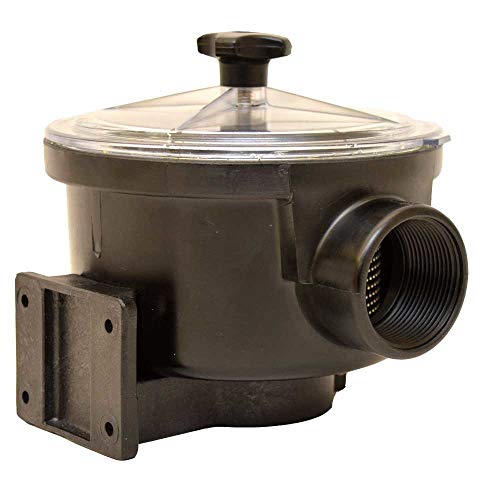
Features indicate Marelon construction, known for corrosion resistance in saltwater. This strainer is designed for raw water intake, helping protect pumps and associated equipment from debris. It is suited for boaters seeking a durable, long-lasting material choice in demanding marine environments.
Best for buyers who want a high-durability material with low maintenance. Choose this if you prioritize corrosion resistance and a material that remains stable in long-term marine exposure. Limitation: availability of Marelon-based parts may vary by region.
Perko Bronze Intake Water Strainer 3/4″

Designed with bronze construction and a 3/4″ pipe size, this strainer provides a robust traditional option for many boats. It offers a favorable open area to pipe size ratio (about 25:1), which supports efficient water flow while filtering debris.
Best for classic installations and systems that already use bronze components. Choose this if you prefer a timeless material with proven performance in marine plumbing. Limitation: bronze can be heavier and may require more careful mounting in tight spaces.
GROCO ARG-750 Series 3/4″ Raw Water Strainer
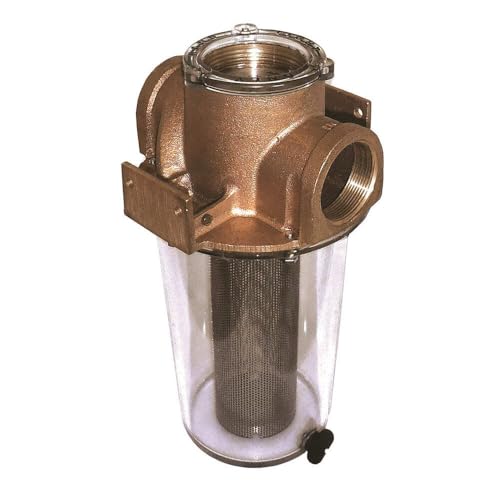
Described as a great product for compact raw water strainers, this option emphasizes straightforwardity and reliability. It is suitable for small to mid-size marine systems where space is limited but effective filtration is required.
Best for compact engine rooms or head projects where space is at a premium. Choose this if you want a simple, reliable strainer without added complexity. Limitation: may offer fewer features than higher-end models in tougher saltwater conditions.
Sherwood Seawater Strainers and Brackets 1″ 20 Mesh

These Sherwood strainers feature a 1″ pipe size and a 20-mesh stainless screen for more fine debris filtration. The package includes brackets, simplifying mounting on compatible vessels. It suits engines and pumps that require slightly finer filtration without frequent cleaning.
Best for OEM-style installations or upgrades in boats that already use Sherwood components. Choose this if you want reliable, compact filtration with bracket compatibility. Limitation: 20-mesh screens can clog faster in heavily silted water; plan for regular maintenance.
Buying Guide: What to Consider When Choosing a Marine Raw Water Strainer
- Pipe size and hose compatibility: Confirm the strainer’s inlet/outlet sizes match your system to avoid adapters or redesigns.
- Material and corrosion resistance: Bronze, stainless steel, and Marelon offer different levels of durability in saltwater environments.
- Filtration mesh: Finer meshes filter smaller debris but may require more frequent cleaning. Coarser meshes offer longer intervals between cleanings.
- Ease of maintenance: Look for removable screens or straightforward disassembly to simplify cleaning in marina or travel scenarios.
- Installation space: Some units are compact and include mounting brackets; measure space in the engine room or bilge before purchasing.
- Replacement parts availability: Check whether replacement screens or seals are easy to source for ongoing maintenance.
FAQ
- What is a raw water strainer used for on a boat? It filters debris from seawater before it enters pumps and engines, protecting expensive equipment.
- Which material lasts longest in saltwater? Marelon is known for excellent corrosion resistance, but bronze and stainless steel are also durable options depending on use.
- How often should I clean a marine water strainer? Cleaning frequency depends on water quality and mesh size; plan for regular checks during trips or voyages.
- Can I replace a strainer without changing hoses or fittings? In many cases, yes, but ensure the new unit matches pipe sizes and bracket mounts to avoid leaks.
- Is a finer mesh always better? Not always. Finer meshes trap more debris but require more frequent maintenance and can reduce flow if clogged.
- Should I choose bronze or stainless steel for mounting hardware? Bronze is traditional and robust; stainless steel avoids corrosion in many cases, depending on other components.