Best Mens Jet Ski Life Jacket Guide for Safe Water Fun
Looking for a snug, USCG‑approved life vest designed for jet skiing and water sports? This guide highlights five top options that balance buoyancy, mobility, and comfort for men. Each pick is analyzed for who it’s best suited for, plus practical limitations to consider on the water. Whether you’re a casual rider, a competitive wakeskater, or a touring jet skier, you’ll find a fit that lets you move freely while staying protected.
| Product | Best For | Key Benefit | Limitations |
|---|---|---|---|
| O’Neill Superlite USCG Life Vest | Casual riders, all‑day comfort | Feather‑light foam, quick dry | Runs true to size; between sizes may need upsize |
| O’Brien Flex V‑Back Life Jacket | Active riders needing mobility | Full range of motion with contoured fit | Better for those who prefer adjustable fit |
| O’Brien Traditional Neoprene USCGA Life Jacket (Yellow) | Neoprene lovers, easy entry | Breathable BIOLite construction | Color bright; may be stiffer on entry |
| O’Brien Traditional RS Life Jacket | US/Canada compliant floatation | Front hinge, wide armholes | Structure focused; check fit for mobility |
| O’Neill Slasher Comp Life Vest | Competition waterskiing and wakeboarding | NytroLite foam; lightweight and buoyant | Not USCG approved |
O’Neill Men’s Superlite USCG Life Vest
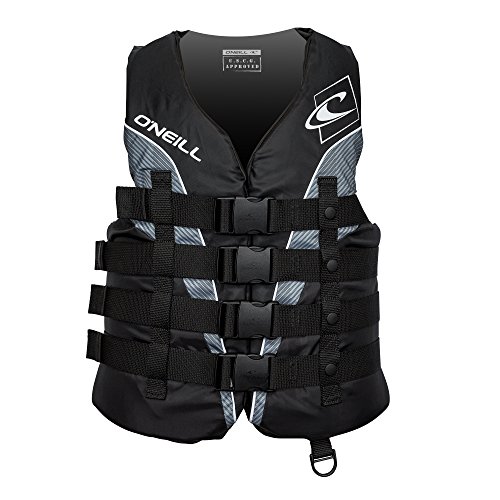
The O’Neill Superlite USCG Life Vest is designed for riders who prioritize minimal bulk and fast‑dry performance. It features a U.S. Coast Guard Type III certification for reliable flotation during wakeboarding, tubing, skiing, and casual jet skiing. The vest is described as feather‑light with a durable shell, helping you stay comfortable on long sessions. This option is best for riders who want a snug fit without excess weight and who appreciate easy layering with a wide size range from S to 4XL. A safety booklet is included with every vest to reinforce water safety practices.
Who this is best for: casual, frequent jet skiers who want a light vest that won’t slow them down. Why selected: strong balance of safety, comfort, and quick‑dry materials. Caution: follow the size chart closely; if you’re between sizes, size up for the USCG recommended snug fit.
O’Brien Men’s Flex V-Back Life Jacket
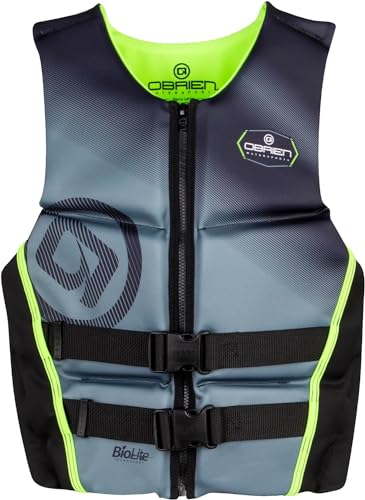
The O’Brien Flex V‑Back Life Jacket emphasizes enhanced buoyancy with an innovative foam core and buoyant panels, delivering dependable floatation for a variety of water sports. It features adjustable straps and buckles to secure a personalized fit, reducing ride up during vigorous activity. The flexible design allows for a full range of motion, which is ideal for wakeboarding or quick maneuvers on a jet ski. This vest is better for riders who value mobility and a customizable fit; it may be less lightweight than ultra‑minimal models for those who prefer extremely low bulk.
Who this is best for: active riders seeking mobility and a secure, adjustable fit. Why selected: adaptable sizing and movement‑friendly contouring. Caution: check strap range to ensure it accommodates chest size without restricting reach.
O’Brien Men’s Traditional Neoprene USCGA Life Jacket
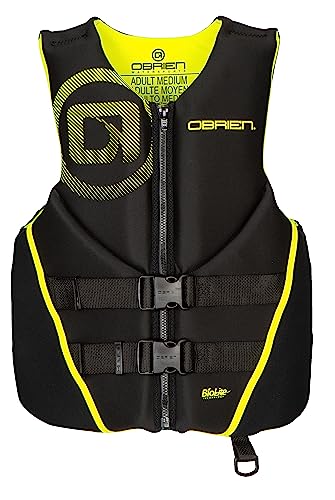
This O’Brien model uses neoprene with BIOLite construction to deliver a soft, breathable fit with easy entry via a zip closure and dual adjustable belts. Wide armholes promote mobility, making it a practical choice for jet ski paddling, standing up while riding, and quick transitions in the water. While it’s highly portable and comfortable, neoprene can retain more water after immersion, which may impact buoyancy slightly if not well sized. It’s a solid pick for riders who prefer a snug neoprene feel and easy on/off.
Who this is best for: fans of neoprene gear who want breathable comfort and simple entry. Why selected: durable construction and mobility. Caution: don’t rely on it solely for extended deep‑water rescue scenarios; ensure it fits snugly to meet USCG expectations.
O’Brien Men’s Traditional RS Life Jacket

The O’Brien RS Life Jacket is designed to meet US Coast Guard and Transport Canada approvals, aligning with legal requirements for waterfront activities in both the U.S. and Canada. It features adjustable straps and buckles to achieve a secure, comfortable fit, paired with premium materials for durability and longevity. The front hinge and wide armholes support unrestricted mobility, making it a solid option for riders who balance cross‑border trips with versatility on the water. This vest is best for safety‑forward users who value compliance and adjustable comfort. Limitation: the overall fit should be tested for maximum mobility in your typical riding stance.
O’Brien Aviator USCGA Neoprene Life Jacket
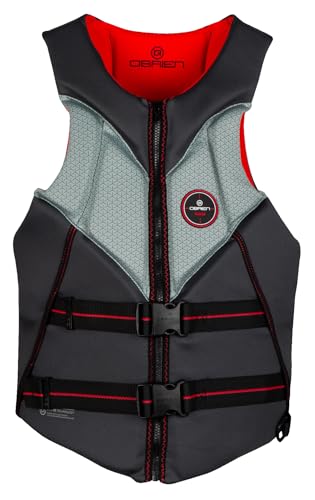
The Aviator USCGA Neoprene vest emphasizes mobility with chest and shoulder flex panels and smooth side panels. It offers a tailored fit through a tapered waist and an oversized arm opening to maximize movement, especially useful for long sessions on a jet ski. The split construction enhances comfort during dynamic activity. Better for riders who prioritize a high‑mobility neoprene vest and a close‑to‑body feel; avoid if you need the lightest possible vest since neoprene adds some bulk.
Jet Pilot Shaun Murray CGA Approved Neoprene Vest PFD

The Jet Pilot Shaun Murray PFD is CGA approved and designed for durable performance in wakeboarding, jet skiing, and boating. It uses Aero‑Jet performance foam for high buoyancy with reduced water absorption and lighter bulk for extended wear. This vest is best for riders who want a balance of buoyancy and lightweight feel, along with a trusted performance lineage. Caution: ensure you choose the correct size since fit is critical for both flotation and mobility in high‑energy activities.
Buying Guide
Key factors to consider when choosing a mens jet ski life jacket include safety certification, fit, mobility, and intended use. Below are practical questions to help you decide.
- USCG Certification: Do you need a Type III vest for general water sports or a model with cross‑border approvals (US/Canada) for international riding?
- Fit and Sizing: Are you between sizes? Do you prefer a snug, layered, or looser feel? How important is quick entry and exit?
- Mobility: Will you need full range of motion for standing, turning, or jumping on a jet ski?
- Material Comfort: Do you prefer neoprene for warmth and flexibility or lightweight foam for airflow and quick dry times?
- Durability and Care: How well does the vest dry after use, and is the shell resistant to saltwater and sun exposure?
- Cross‑Water Use: If you ride near Canadian waters or travel across borders, is a dual‑approval vest necessary?
Practical tips: choose a vest with adjustable straps for a secure fit, check armhole design for mobility, and verify that the size chart aligns with your chest measurement. For long sessions, prioritize lightweight, quick‑dry fabrics to minimize bulk and chafing. For cross‑border riders, consider models with USCG and Transport Canada approvals for legal compliance in both regions.
FAQ
- What does USCG Type III mean for a jet ski vest? It indicates a flotation standard suitable for recreational use with a shape designed for active wearers and freedom of movement on the water.
- Should I size up if I’m between chest measurements? Yes, sizing up can help achieve a snug yet comfortable fit that meets safety guidelines.
- Is neoprene better than foam for jet skiing? Neoprene offers warmth and flexibility, while foam vests are typically lighter and quick‑drying; choose based on climate and comfort needs.
- Can I use a USCG vest for cross‑border trips to Canada? If the vest has dual approvals (USCG & Transport Canada), yes; otherwise, verify local requirements for each ride location.
- What is the main limitation of lightweight foam vests? They can be bulkier and may not feel as snug for very active movements, depending on the fit.
- How important are armholes for jet skiing? Wide armholes enhance mobility for steering, leaning, and quick shifts in posture while riding.