Best Marine Fuel Flow Meter Kit for Boats and Yachts
Answer: A marine fuel flow meter kit helps track fuel usage accurately, prevent waste, and optimize range. This guide highlights five top kits ideal for boaters, sailors, and marine enthusiasts looking for reliable flow readings in wet environments. The selections emphasize ease of integration, durability, and clear data for pilots, anglers, and crew who need dependable fuel accounting on the water.
Summary table of chosen products:
| Product | Brand | Key Use | Why It’s Selected |
|---|---|---|---|
| Garmin GFS 10 Fuel Sensor | Garmin | Accessory fuel sensor for marine gauges | Trusted marine brand; compact sensor with reliable data output |
| Fuel Flow Sensor PK | Lowrance | Inline fuel flow measurement | Compatibility with common marine displays; simple install |
| GRYVOZE 1 Inch Digital Water and Fuel Flow Meter Kit | GRYVOZE | All-purpose liquid flow monitoring | IP68, robust for wet environments; broad liquid compatibility |
| DIGITEN G3/8″ Fuel Flow Meter | DIGITEN | Compact inline flow meter | Easy wiring, solid flow range, compact form |
| GRYVOZE 1 Inch Digital Turbine Fuel Flow Meter | GRYVOZE | High-precision turbine flow | High accuracy, supports multiple units, durable |
Garmin GFS 10 Fuel Sensor
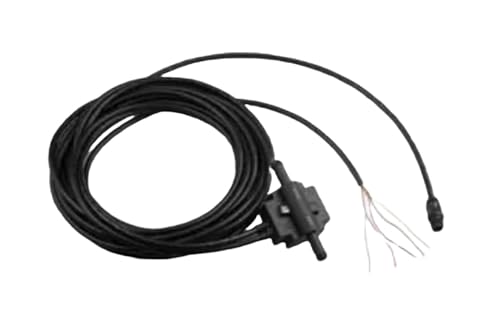
The Garmin GFS 10 Fuel Sensor is designed for marine installations that require accurate fuel measurement with minimal setup. Best for boaters who use Garmin ecosystems and want seamless data integration with existing gauges. This model provides a compact sensor with essential components and a manual for straightforward installation.
Best for: Boat owners already using Garmin instruments who want a dependable sensor with clear data output. Why selected: Garmin’s ecosystem reliability and ease of integration support clean, accurate fuel readings on water.
Caution: Details listed are basic; verify compatibility with your specific Garmin display and vessel wiring before purchase.
Fuel Flow Sensor PK

The Lowrance Fuel Flow Sensor PK is suited for anglers and sailors who operate with LMF-200, LMF-400, and HDS units. Its 10 ft cable and T-connector provide flexible routing on deck or in bilges, with a straightforward inline installation. It offers practical performance for standard marine fuel monitoring tasks.
Best for: Users with compatible Lowrance displays seeking an easy inline sensor. Why selected: Simple integration with common marine radios and chartplotters helps ensure reliable fuel data on the water.
Caution: Installation accuracy depends on secure cable connections and proper calibration with your display system.
GRYVOZE 1 Inch Digital Water and Fuel Flow Meter Kit

GRYVOZE’s digital flow meter kit combines IP68 waterproofing with an aluminum alloy body for rugged on-deck or engine room use. It is designed to measure a wide range of liquids, including water, diesel, gas oil, and gasoline, with an accuracy of ±1%. Factory calibration provides reliable readings right out of the box.
Best for: Boats and other wet environments needing robust, weatherproof flow data. Why selected: High durability and broad liquid compatibility suit diverse marine tasks.
Caution: Not intended for fully submerged operation; follow manufacturer guidance to avoid exposure beyond the intended environment.
DIGITEN G3/8″ Fuel Flow Meter

DIGITEN’s G3/8″ fuel flow meter is a compact inline sensor designed for straightforward wiring. It lists a 1-30 L/min flow range and a 3-12 V DC power requirement, making it suitable for small to mid-size marine applications. The gear-style sensor is easy to integrate with standard hoses and fittings.
Best for: DIY boat projects needing a compact, simple fuel flow solution. Why selected: Clean wiring and a practical flow range fit many marine installations.
Caution: Data reliability depends on proper calibration and compatible electrical supply voltage.
GRYVOZE 1 Inch Digital Turbine Fuel Flow Meter

The GRYVOZE Digital Turbine Flow Meter provides high accuracy (±1%) and supports liquids such as water, diesel, gas oil, and gasoline. It includes a digital LCD display for real-time flow, totals, and instantaneous readings. It is not waterproof for fully submerged use, so sheltered installations are recommended.
Best for: Users needing precise turbine-based flow data with clear digital readouts. Why selected: High accuracy and a readable LCD help track fuel use precisely in controlled settings.
Caution: Dry environment use only; avoid exposure to rain or submersion to protect electronics.
Buying Guide
What options best fit your vessel and fuel type? Choose based on compatibility with existing displays, expected liquid variety, and installation complexity. For sensitive readings, prioritize devices with ±1% accuracy and clear digital readouts.
What should I consider before buying a marine fuel flow meter?
- Compatibility: Ensure the meter interfaces with your current gauges, displays, or multi-function displays (MFDs) you already own.
- Environment: If installations are exposed to rain or splashes, pick IP68-rated meters or sealed housings.
- Liquid compatibility: Confirm the device supports the fuels or liquids used on your vessel (diesel, gasoline, water, etc.).
- Connection and wiring: Look for units with straightforward wiring and standard power requirements (often 3-12 V DC).
Which design features matter most?
- Inline versus sensor-based: Inline meters are often easier to retrofit on existing lines; sensor-based units may be more compact but require routing.
- Display type: Digital LCD readouts provide quick data interpretation; some models rely on external displays.
- Durability: For saltwater boats, prioritize rugged housings and corrosion resistance.
What are common limitations to watch for?
- Not all meters are waterproof for submersion; plan installation in dry or protected locations.
- Accuracy can vary with temperature and installation conditions; calibration is important.
- Some meters are designed for specific vehicle ecosystems; verify compatibility with your existing instrumentation.
How do I install a marine fuel flow meter?
Typical steps include selecting a suitable location, ensuring compatible fittings, mounting the sensor and wiring harness properly, and calibrating the unit with the fuel system. Follow manufacturer manuals for detailed steps and safety considerations.
FAQ
- What is a fuel flow meter used for on a boat? It measures the volume or rate of fuel or other liquids passing through a line, helping monitor consumption and efficiency.
- Do these meters work with gas and diesel? Many meters are compatible with both, but confirm fuel compatibility in the product specs.
- Can I install it myself? Yes, many inline meters are designed for DIY installation with basic tooling and wiring.
- What kind of maintenance is needed? Regular inspection for leaks, cleaning connections, and periodic recalibration help maintain accuracy.
- Is waterproof rating necessary? For exposed installations, choose IP68 or better; for sheltered areas, a non-submersible unit may suffice.
- How accurate are these meters? Many offer around ±1% accuracy under proper conditions and calibration.