Best Marine Fuel Tank Anti Siphon Valve Options for Safe Fuel Handling
Direct answer: If you want to prevent fuel theft and spills on a boat, choose an anti-siphon valve designed for 1/4″ NPT fittings and 3/8″ hose, with corrosion-resistant materials and USCG compliance. The top picks below cover common boat fuel tank setups, from small outboards to larger inboard systems. Best for new installs or replacements are compact, durable models from SEACHOICE and Attwood, while multi-pack options from doufuhua, Moeller, and BZTT provide value for multiple fittings or spares. The following table compares the five highlighted products at a glance.

| Product | Size Fit | Material | Best For | Notes |
|---|---|---|---|---|
| Seachoice Anti-Siphon Valve | 1/4 in. NPT x 3/8 in. Hose | Aluminum | Small to mid-size boats needing Coast Guard compliance | Lightweight, corrosion resistant |
| Attwood Anti-Siphon Valve | 1/4 in. NPT x 3/8 in. Barb | Aluminum | Reliable OEM replacement | Solid fit for existing lines |
| doufuhua Marine Anti Siphon Valve (2 Pack) | 1/4 in. NPT x 3/8 in. Hose | Aluminum | Value with two valves for a single installation | USCG-reg compliant; two-pack convenience |
| Moeller 033808-10 Valve | 3/8 in. barb x 1/4 in. NPT | Brass | Permanent tank installations requiring standard protection | Coast Guard/industry standard anti-siphon protection |
| BZTT Boat Anti Siphon Valve (2 Pack) | 1/4 in. NPT x 3/8 in. Hose | Aluminum | Replacement or multiple-connection setups | 2-pack; broad compatibility |
Seachoice Anti-Siphon Valve, 1/4 in. NPT, 3/8 in. Hose
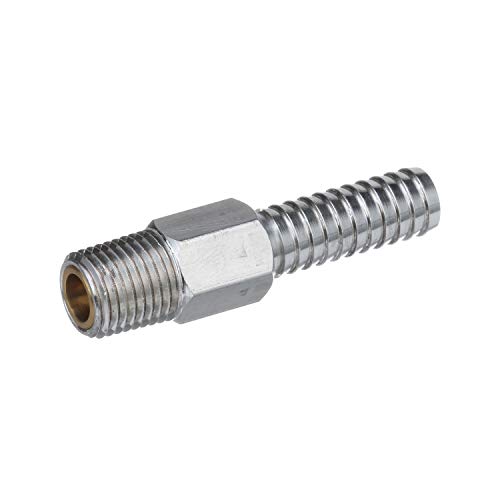
Features: One-way anti siphon valve prevents fuel theft and fuel spillage. Made of corrosion resistant aluminum. Meets U.S. Coast Guard regulations. Best for: boat owners needing a lightweight, compliant valve for standard fuel lines. Limitation: aluminum may corrode in highly saline environments without proper maintenance.
Attwood 88FAS014-6 Fuel Tank Fitting — Male Thread, Anti-Siphon Valve
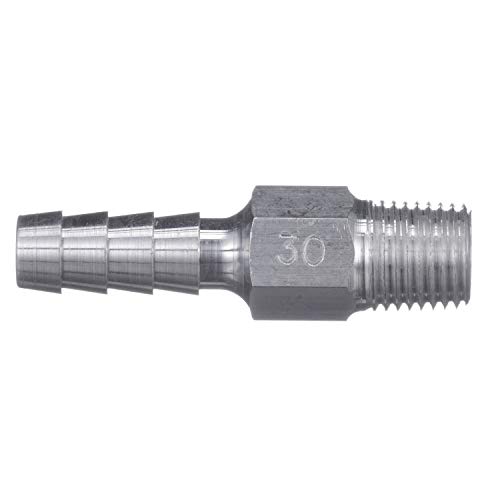
Features: Dependable replacement for original equipment; provides sure fuel line connection; male thread design. Best for: replacing worn OEM components on boats with standardized fittings. Limitation: designed for specific thread and barb configurations; verify compatibility with your tank fittings.
Marine Anti Siphon Valve Replacement (2 Pack) by doufuhua

Features: Anti siphon valve prevents fuel theft and spillage; meets USCG regulations; 1/4″ NPT with 3/8″ hose. Best for: owners needing additional security or multiple valves for different tank outlets. Limitation: check exact compatibility with your tank pickup tube size and existing fittings.
Adabuing Marine Anti Siphon Valve Replacement (2 PCS)

Features: One-way anti siphon valve; 1/4″ NPT and 3/8″ hose; pairs included for convenience. Best for: replacing blocked valves or upgrading to a safer flow path. Limitation: ensure the same size fittings across your system to avoid leaks.
Moeller 033808-10 Valve-ANTISIPHON BR

Features: Brass anti-siphon valve; required by federal law and USCG on permanent fuel tank installations; 3/8″ NPT/mount. Best for: installations needing classic brass components and robust durability. Limitation: brass may be heavier and pricier than aluminum alternatives.
BZTT Boat Anti Siphon Valve (2 Pack)

Features: 1/4″ NPT, 3/8″ hose; two-pack for multiple connections; designed to block siphoning and leakage. Best for: budget-minded buyers needing multiple valves. Limitation: ensure all fittings match the 1/4″ NPT standard across the system.
Buying Guide
- What size and threading do I need? Most marine anti siphon valves use 1/4″ NPT with 3/8″ hose connections. Confirm your tank fittings before buying.
- What material is best? Aluminum valves resist corrosion and are lightweight; brass valves offer durability in harsher conditions but are heavier and pricier.
- Is USCG compliance important? For permanent installations, some models explicitly state USCG or Coast Guard compatibility, which helps meet regulatory requirements.
- Single vs. multi-pack? If you’re replacing multiple lines or keeping spares, multi-packs offer better value and convenience.
- Installation considerations: Check that the valve orientation allows fuel to flow toward the engine and prevents siphoning if a hose breaks.
- Compatibility: Ensure valve size aligns with your fuel pickup tubes and tank outlets to avoid leaks or poor connections.
FAQ
- What is the main purpose of a marine anti siphon valve?
– It prevents fuel from being siphoned out of the tank and reduces spills if a line leaks or breaks. - Do I need USCG-compliant valves?
– For permanent installations, USCG-compliant parts are often recommended or required by regulations. - Can I use any valve with a 1/4″ NPT thread on my boat?
– Valves should match your fuel line size, barb fittings, and tank pickup tube to ensure a proper seal. - Is aluminum better than brass for marine valves?
– Aluminum is lighter and corrosion resistant; brass is more durable in some environments but heavier and costlier. - Should I buy a two-pack valve set?
– Yes, if you need to replace multiple connections or want spares for future maintenance. - What installation tip helps prevent leaks?
– Tighten fittings to manufacturer torque specifications and use appropriate sealant or thread tape where recommended.