Best Marine Heaters for Small Boats: Solid Fuel and Diesel Options
Find reliable heating for small boats with clear, practical guidance. This guide covers top marine heaters, highlighting which models suit boaters best, from solid-fuel options to compact diesel units. Ideal buyers include liveaboards needing steady warmth, weekend sailors seeking quick heat, and boaters storing gear in chilly months. The table below summarizes the five products chosen for focus, with key suitability notes to help you compare at a glance.
| Product | Best For | Key Benefit |
|---|---|---|
| Dickinson Marine Solid Fuel Heater for Newport | Boat owners needing solid-fuel burning | Traditional solid fuel operation with chimney guidance |
| Dickinson Marine Newport Diesel Bulkhead Mount Heater | Space-conscious installs | Versatile diesel heating with bulkhead mounting |
| VEVOR 8KW Diesel Heater | Active heating with remote control | High heat output, long running with large fuel tank |
| Xtreme Heaters Boat, Cabin & RV Heater | Portable, space-flexible heating | Overheat and tip-over protection |
| Mr. Heater MH9BX | Outdoor-ready propane heating | High efficiency for ventilated spaces |
Dickinson Marine Solid Fuel Heater for Newport

The Dickinson solid-fuel heater is designed for mariners who prefer wood or coal-based heating. It requires a 3 inch chimney with a typical straight run around 6 feet for best performance, and a damper is often advised for longer stacks. This unit is best for boats with established solid-fuel habits and compatible chimney setups. Avoid if your installation space cannot accommodate the required chimney length or if your boat lacks a suitable exhaust route. The model is selected for its traditional fuel approach and compatibility with classic boat stoves.
Dickinson Marine Newport Diesel Bulkhead Mount Heater
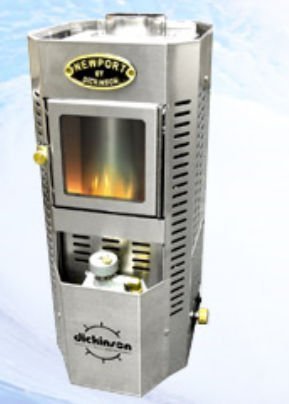
This bulkhead-mounted diesel heater offers a heat output range of 6,500–16,250 BTU and supports alternative fuels such as diesel, kerosene, or stove oil. A 12V combustion assist fan is included to aid startup and efficiency. Choose this option if you need a compact, wall-mounted heater with flexible fuel compatibility for boats where space is at a premium. Best for vessels requiring a clean, integrated install. Caution: ensure fuel type compatibility with your storage and safety regulations.
VEVOR 8KW Diesel Heater
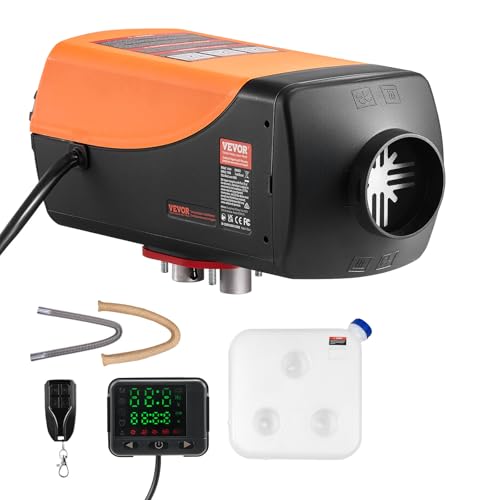
VEVOR’s 8KW diesel heater operates on DC 12V–24V and covers roughly 161–215 ft². It features a ceramic igniter for quick starts and a large 10L fuel tank to extend heating time. The unit includes heat-insulated exhaust shielding, a leak-resistant fuel cap, and overheat protection. Best for boaters needing strong, controlled heating with remote control options. Limitations include the need for proper mounting and electrical compatibility with your vessel’s systems.
Xtreme Heaters Boat, Cabin & RV Heater

This compact bilge heater is designed for boats, RVs, and other small spaces, with a 150W bump in power and a self-regulating PTC element. It activates at about 40°F and turns off around 55°F, helping maintain steady temperatures. It’s mounted in any direction, including upside down, and includes sealed electronics and a weatherproof fan. Best for flexible placement and minimal maintenance. Caution: ensure correct mounting orientation specified by the manufacturer to maximize safety.
Mr. Heater MH9BX Portable Propane Heater

Mr. Heater MH9BX is a Massachusetts/Canada approved portable propane heater for outdoor use. It provides 4,000–9,000 BTU, suitable for spaces up to 225 square feet when ventilated. It offers automatic shut-off on tipping, pilot failure, or low oxygen, enhancing safety aboard boats with proper ventilation. Best for temporary or supplemental heating in well-ventilated areas. Limitations include reliance on propane supply and suitable outdoor or ventilated indoor spaces.
Buying Guide
What fuel type fits your boat best?
Solid-fuel heaters appeal to traditionalists with established wood/coal habits but require chimney planning. Diesel heaters offer efficient, controllable heat with compact installation, ideal for boats with existing diesel systems. Propane heaters provide quick setup and good heat in well-ventilated spaces but depend on available gas cylinders and ventilation.
How important is installation space?
Bulkhead-mount or compact diesel units save space on tight vessels. Portable heaters offer flexibility but may need careful securing on moving boats. For solid-fuel options, ensure you can route a proper chimney to avoid smoke and carbon monoxide risks.
What safety features matter?
Look for overheat protection, tip-over shut-off, and seal-rated components for marine environments. Ventilation is critical for propane and diesel heaters; ensure the space remains properly ventilated to prevent oxygen depletion and fumes buildup.
How long should heating last on a single fuel load?
Diesel heaters with larger tanks (like 10L) provide extended run times, reducing refill frequency during cold nights. Solid-fuel units depend on fuel consumption and chimney efficiency. Consider your typical voyage duration and storage limits when choosing a model.
What installation challenges should be anticipated?
Engine compartments, cabins, and bilge areas differ dramatically in heat exposure and moisture. Ensure electrical compatibility for diesel heaters and verify fuel storage safety and lines. For solid-fuel heaters, confirm chimney components and dampers are suitable for continued operation at sea.
Which unit is best for a typical small sailboat?
A diesel bulkhead heater or a compact diesel unit often provides the best balance of space efficiency, controllability, and continuous heat. For boats with limited power options or where a traditional stove is preferred, a solid-fuel heater can be advantageous if a safe chimney layout is feasible.
Maintenance and care tips
Regularly inspect fuel lines, seals, and exhaust connections. Clean air intakes and fans as recommended by the manufacturer. Store fuel safely and follow marine safety regulations for fuel storage and venting around living spaces.
Frequently Asked Questions
- What is the safest fuel type for a small boat? Answer: It depends on ventilation, space, and fuel availability; diesel offers controlled heat with good safety features, while propane requires careful ventilation and shut-off safeguards.
- Can I install a bulkhead heater myself? Answer: Installation should follow the manufacturer’s guidance and may require a professional, especially for venting and electrical connections.
- How much space do I need for a diesel heater? Answer: This varies by model, but compact bulkhead units fit most cabins; check dimensions and mounting clearances in the product spec.
- Is a solid-fuel heater practical on a boat? Answer: It is practical if you can safely manage chimney routing and ash disposal, and if you prefer traditional fuel sources.
- Do these heaters require regular maintenance? Answer: Yes, regular inspection of fuel lines, seals, and exhaust is recommended to ensure safe, efficient operation.
- What safety features should I look for? Answer: Overheat protection, tip-over shut-off, and oxygen-depletion safeguards are essential for marine environments.