Best Composting Toilets for Boats: Efficient, Odorless Solutions for Small Cabins
Finding a compact, odor-free composting toilet for a boat can dramatically improve onboard comfort and sanitation. This guide highlights five top options that fit tight marine spaces, reduce waste, and simplify maintenance. Each choice targets a different kind of boater—from minimalist, off-grid anglers to full-sized liveaboards—so you can pick the best fit for your berth, crew size, and cruising style.
Summary table of selected products:
| Product | Best For | Why It Stands Out | Limitations |
|---|---|---|---|
| OGO Origin Composting Toilet | Small boats and tight builds | 12V electric agitator; urine diversion; compact 15″x16″ footprint | Requires power and a 2.4-gallon urine bottle |
| Nature’s Head Self Contained | Liveaboards needing odor control | Reputable brand; easy install; solid odor performance | More manual setup than some rivals |
| Sun-Mar GTG | Boats and tiny homes with low maintenance | Urine/solid separator; waterless operation | May require routine waste handling |
| NOMAD by OGO Portable | Rugged, off-grid boating | No power; odor-free urine diversion; very portable | Smaller waste capacity; not a full-time solution for large crews |
| VINGLI Portable Toilet | Emergency backups and guest berths | Detachable inner bucket; compact; easier cleaning | Not a full-time solution for heavy use |
OGO Origin Composting Toilet – 12V Agitator
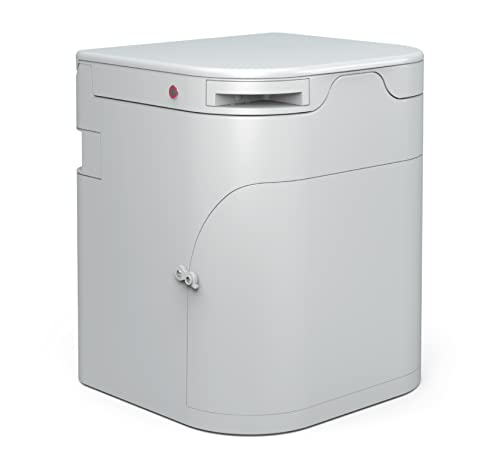
Best for boats with very tight corners and a need for a modern, compact unit. The OGO Origin features the smallest footprint among practical composting toilets at 15″ x 16″, making it suitable for small marine pedestals and retrofit projects in boats where space is a premium. The urine-diverting design helps minimize onboard odors by separating liquids from solids. A key advantage is the push-button electric agitator, which eliminates manual cranking and reduces daily maintenance to a single tap. This model is ideal for skippers and mini-yacht owners prioritizing a clean look and off-grid capability.
Who it’s best for: boat owners with limited installation space who still want a modern, plug-and-play solution and reliable odor control. Why selected: its space efficiency and urine-diverting system reduce odors and tank handling on a boat. Caution: the unit relies on a power source (12V) for agitation and may require a dedicated power supply and vent considerations on very small vessels.
Nature’s Head Self Contained Composting Toilet
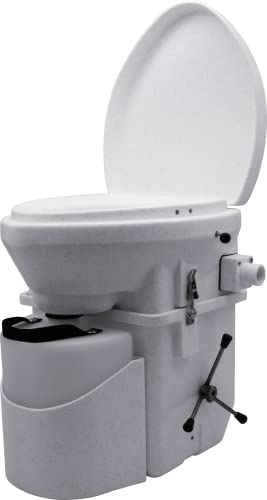
Nature’s Head is a long-standing choice for boaters seeking strong odor management and straightforward installation. This self-contained unit is designed for near-sea conditions and tight quarters, with a focus on reliability and simple maintenance. The product page emphasizes customer support and a warranty framework, which many owners find reassuring for long blue-water passages. The design supports straightforward servicing and compatible mounting in compact heads.
Who it’s best for: crews or owners who prioritize established odor control and dependable, shipboard-friendly operation. Why selected: Nature’s Head has a track record for ease of installation and solid odor performance in marine environments. Caution: some users report that initial setup is more involved than smaller portable models; ensure space for venting and bin access.
Sun-Mar GTG Self-Contained Urine Diverting Toilet

The Sun-Mar GTG is built for low-maintenance, waterless operation with a practical urine/solid separator. This model is well-suited for boats, cabins, or tiny homes where plumbing options are limited and a reliable, self-contained system is preferred. It minimizes daily upkeep and reduces the frequency of waste removal compared with conventional toilets. It’s a strong pick for boats that want a straightforward, all-in-one unit with minimal fuss.
Who it’s best for: boat owners seeking a simple, low-maintenance, waterless solution. Why selected: its liquid/solid separator design helps curb odors and simplify routine care. Caution: ongoing waste handling is still required, though less frequently than with non-separating units.
NOMAD by OGO Portable Compost Toilet

The NOMAD by OGO is designed for adventurers who need a rugged, no-electric, waterless solution. It’s very portable and compact, making it a prudent choice for boats where a lightweight backup or supplemental head is desirable. The urine-diverting system helps control odors without attaching to a black tank, which is advantageous for temporary moorings or smaller craft. Its standout trait is portability and independence from power sources.
Who it’s best for: travelers, weekend boaters, or backup installations where power is limited. Why selected: odor control via urine diversion and the ability to deploy on boats without wiring. Caution: smaller waste capacity means more frequent emptying on longer trips or with more than one user.
VINGLI Portable Toilet
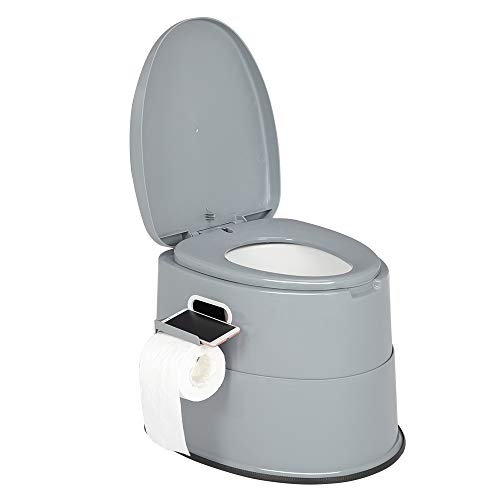
The VINGLI portable toilet focuses on compact design and ease of handling, with a detachable inner bucket and a dual-lid seal to curb odors. It’s a practical option for guest heads or emergency backup aboard a boat where space is at a premium. The higher seat height can improve comfort for adults, making it a reasonable option for shorter trips or shore-to-boat transfers where a traditional full-size toilet isn’t feasible.
Who it’s best for: boats needing a compact, easy-to-clean spare head or guest-use option. Why selected: lightweight, portable design and straightforward maintenance. Caution: not intended as a primary daily-use toilet for larger crews or long voyages.
Buying Guide: Key Considerations For Marine Composting Toilets
What space constraints do you face on your boat? Measure the available footprint and headroom before selecting a unit. A smaller footprint helps in tight cabins but may trade off ease of use or storage capacity.
Urine diversion vs. non-diversion. Urine-diverting models minimize odors and simplify waste handling by separating liquids. For small boats with limited storage, this can be a decisive factor.
Power requirements. Decide whether you need a gravity, manual, or electric agitator design. Battery life, solar compatibility, and available access to a power source influence long-term reliability at anchor or offshore.
Ventilation needs. Some designs require venting to the exterior to manage odors effectively. Consider your boat’s hatches, existing ventilation, and potential condensation issues.
Waste capacity and maintenance interval. A smaller waste bin may suffice for weekend trips, while longer voyages benefit from larger capacity. Consider ease of disassembly for cleaning and the frequency of emptying or composting cycles.
Installation complexity. Some models are plug-and-play, while others require more substantial mounting, plumbing, or venting considerations. If you’re not comfortable with DIY installation, factor in potential professional help.
Durability and materials. Marine environments demand corrosion-resistant hardware and sturdy plastics. Look for easy-to-clean surfaces and resilient seals that withstand humidity and salt exposure.
Odor control. Odor is a critical factor on boats. Prefer designs with proven odor management, sealed compartments, and, if possible, urine separation to minimize stink in living spaces.
FAQ: Quick Answers For Boat Owners
- Do composting toilets work well on boats? Yes, when properly sized for space and correctly vented, they reduce odors and tank handling compared with traditional toilets.
- Is urine diversion necessary on a boat? Not strictly necessary, but it helps minimize odors and simplifies waste management, especially on small craft with limited storage.
- Do these toilets require electricity? Some models use 12V agitators, while others are fully manual or portable with no power needs. Consider your boat’s power setup.
- What maintenance is involved? Routine cleaning, emptying the solid waste bin, and occasional composting or bag replacement are typical. Odor-control features reduce daily upkeep.
- Can I install these myself? Many models are designed for DIY installation in boats, but complex venting or plumbing work may require a professional.
- How often should I empty the waste tank? It depends on usage, tank size, and whether liquids are diverted. Plan for more frequent emptying with higher crew counts or longer trips.