Best Sail Kit for Canoe: Extend Your Wind-Powered Adventures
The top sail kits below are chosen to help canoeists harness wind power with reliable setups, clear instructions, and practical performance. This guide targets solo paddlers, families, and small groups who want quick deployment, portability, and compatibility with common canoe configurations. Each product is evaluated for how well it suits different needs—beginner friendly setups, rugged use in varied water conditions, and compact gear for travel. Use the quick reference table to compare core options at a glance.
| Product | Best For | Key Benefit | Typical Limitation |
|---|---|---|---|
| SAILBOATS TO GO Canoe Sail Kit | First-time sailers | Compact, foldable parts under 4 feet | Guide may assume standard canoe fittings |
| ADVANCED ELEMENTS Rapid-Up Kayak Sail | Frequent travelers | Rapid deployment, universal compatibility | Higher price point |
| Sea Eagle QuikSail | Casual riders | Lightweight, simple setup, downwind steering | Smaller sail area |
| GIGACRAFT Canoe Sailing Rig | Aluminum rigs enthusiasts | Central control via Crossing Bar | Furling mainsails/headsails available |
| VALINK Kayak Sails | Budget-minded paddlers | Durable materials, easy setup | Clear window design emphasis |
SAILBOATS TO GO Canoe Sail Kit

Best for paddlers seeking a compact, all-in-one sailing solution for a canoe. The 45 sq. ft. nylon sail provides a noticeable lift in light to moderate winds, while two leeboards substitute for a keel or centerboard for improved tracking. All parts fold to under four feet, aiding transport and storage. This kit suits weekend explorers and beginners who value portability and a straightforward setup. Caution: the system relies on standard mounting points; verify your canoe’s hardware compatibility before purchase.
ADVANCED ELEMENTS Rapid-Up Kayak Sail
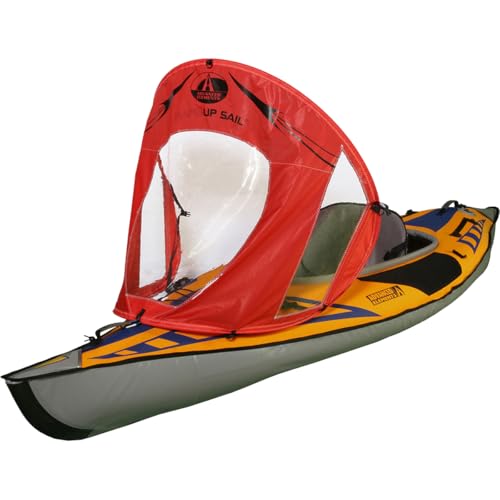
Best for travelers and paddlers who value quick setup and broad compatibility. This sail uses rip-stop fabric for durability with clear plastic and steel components, designed to withstand various water conditions. Its universal attachments adapt to multiple kayak and canoe hardware configurations, and a quick-connect system with stabilization and dousing lanyards enables rapid deployment when wind shifts. Caution: the kit can be heavier than ultra-light options, which may affect portability for some trips.
Sea Eagle QuikSail- Universal Kayak Quick Sail
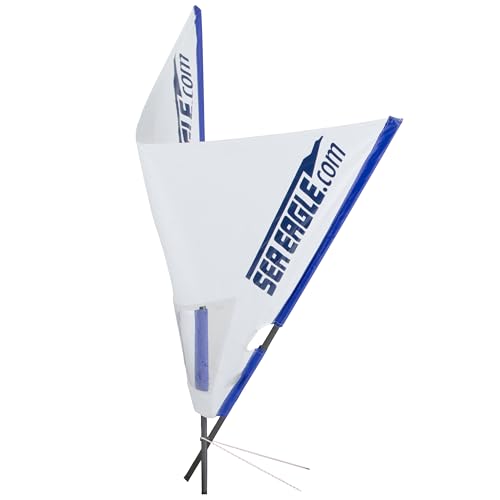
Best for casual riders who want a lightweight, easy-to-use option. The QuikSail features a 14 sq ft Neil Pryde sail with a compact aluminum frame and a self-standing setup. It measures 43″ x 3″ and weighs about 2 lbs, offering portability for weekend trips. It can move a kayak up to about 7 knots downwind and can be steered with a paddle acting as a rudder. Caution: the smaller sail area may be less effective in stronger winds.
GIGACRAFT Canoe Sailing Rig (Mainsail Package)

Best for paddlers who want a central control system when sailing from a canoe. The rig includes a Crossing Bar for centralized control and offers furling mainsails and headsails as options. This kit is suitable for performance-focused sailors who value modularity and the option to expand sail configurations. Caution: more components mean a steeper learning curve and setup time compared to simpler kits.
VALINK Kayak Sails

Best for budget-conscious buyers seeking durable construction and quick setup. VALINK sails emphasize high-quality materials and ease of deployment, with bands and clips to help control movement. The kit aims to be practical for casual paddling and short trips. Caution: the emphasis on durability can come with heavier components than ultra-light alternatives, potentially reducing portability.
Buying Guide
What should I consider before buying a canoe sail kit?
Assess wind conditions you typically encounter, your canoe’s fittings, and how quickly you need to deploy the sail. Look for a kit with clear mounting points, simple adjustments, and durable fabrics that resist saltwater and sun exposure. Consider weight and packability if you travel with a vehicle or aircraft.
Compatibility and mounting questions
Check whether the kit includes standardized fittings or requires additional adapters for your canoe model. Some solutions use leeboards or a central mast system; others rely on universal clamps. Ensure mounting hardware won’t interfere with paddling or storage in your canoe.
Performance vs. portability
Smaller sails are easier to deploy quickly but may provide modest speed gains. Larger sails deliver more power in favorable winds but add weight and setup time. If you often paddle in light winds, prioritize compact, lightweight designs with reliable deployment.
Durability and materials
Rip-stop fabrics, reinforced seams, and corrosion-resistant hardware extend the life of a sail kit. Look for UV-protected fabrics and weather-sealed connections if you paddle in sun-drenched or saltwater environments.
Maintenance and care
Rinse hardware after use, dry sails before storage, and inspect lines for wear. A modular kit with easily replaceable parts can reduce long-term maintenance costs.
Frequently Asked Questions
- What is a canoe sail kit? A canoe sail kit adds a sail, mast or rig, and mounting hardware to a canoe to capture wind power and improve speed or maneuverability.
- Which kit is easiest for beginners? Kits with simple deployment and fewer components are best for beginners, such as Sea Eagle QuikSail with its lightweight frame and straightforward setup.
- Do these sails require special training? Basic instruction is typically sufficient, but more complex rigs (like central control systems) may benefit from a quick-start guide or video tutorial.
- Can I use these on any canoe? Most kits are designed for common canoe fittings, but always verify compatibility with your specific model and any added hardware.
- Are there safety concerns? Yes. Ensure sails are secured during strong gusts, avoid entanglement with paddling strokes, and store gear away from sharp edges when not in use.
- How do I choose between a small sail and a larger one? Consider typical wind speeds, your paddling goals, and how frequently you’ll travel with the sail kit. Start with a smaller, responsive option for easy adjustment in variable conditions.