Best Trolling Motor Options for a 16 Foot Boat: Top Picks for Freshwater and Saltwater Use
Answering the question: these trolling motors are designed to provide reliable control for a 16-foot boat, with options suited to both freshwater and saltwater use. Ideal buyers include weekend anglers seeking quiet propulsion, kayak and small-boat operators needing lightweight options, and anglers who prioritize battery life and maneuverability. The following five models are selected for versatility, durability, and suitability to a 16-foot hull. A quick buying guide follows with practical considerations and a comparison table highlighting key specs.
| Product | Thrust | Shaft | Best For |
|---|---|---|---|
| Minn Kota Endura C2 – 40 Lb | 40 lb | 36 in | Power through moderate vegetation in freshwater |
| Minn Kota Endura C2 – 30 Lb | 30 lb | 30 in | Lightweight setups and compact boats |
| Newport NV-Series – 36 lb | 36 lb | 30 in | Kayaks, canoes, light saltwater use |
| Newport NV-Series – 55 lb | 55 lb | 30 in | Medium to larger small boats in varied conditions |
| Newport NV-Series – 62 lb | 62 lb | 36 in | Big-water powered need for larger boats |
Minn Kota Endura C2 40 Lb Trolling Motor
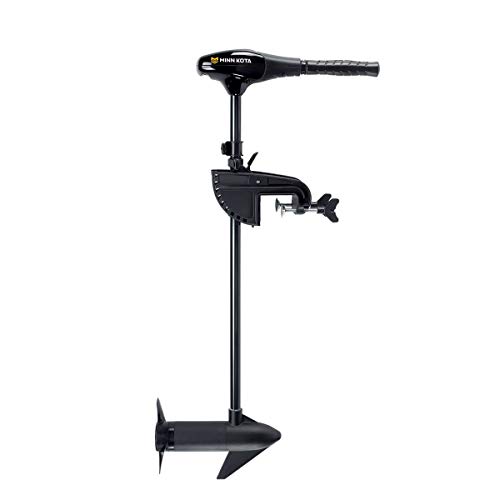
The Minn Kota Endura C2 40 Lb is a transom-mount electric trolling motor featuring a 36-inch shaft. Its 6-inch telescoping tiller provides comfortable control during long fishing sessions. The motor head includes a push-to-test battery meter, and the 10-position lever lock bracket allows easy angle adjustment. The reinforced composite housing resists wear from sun exposure and marine conditions. A power prop designed for heavy vegetation helps maintain forward momentum in thick cover. This model is best for freshwater anglers with moderate vegetation and a need for robust thrust on a mid-sized inflatable or small boat.
Best for: freshwater anglers who need reliable power in weedier water and quick angle adjustments. Avoid if you require ultra-quiet operation at very low speeds or plan to use in heavy saltwater conditions without corrosion protection noted in the spec sheet.
Limitations: The 40 lb thrust is strong for standard 16-foot boats but may be overkill on very light craft or in calm, clear waters where lighter models suffice.
Minn Kota Endura C2 30 Lb Trolling Motor
This version offers a lighter 30-pound thrust and a 30-inch shaft, making it a practical choice for smaller 16-foot boats or anglers prioritizing lighter equipment. It shares the Endura C2’s key features: a telescoping tiller, a battery meter, and a durable composite body designed to resist UV damage and flexing. The power prop supports vegetation clearance, and installation includes all necessary hardware. It’s better for smaller, calmer watercraft where battery life and ease of handling are paramount.
Best for: anglers with a smaller 16-foot craft or those prioritizing lower weight and easy transport. Choose this if you fish in non-dense vegetation and want a simpler system; avoid if you expect to encounter strong currents or heavy weed beds requiring higher thrust.
Caution: In rougher seas or thick weed areas, the 30 lb thrust may not maintain optimal headway compared with higher-thrust options.
Newport NV-Series 36 Lb Trolling Motor

The Newport NV-Series 36 Lb motor is designed for kayaks, canoes, and small boats with a 30-inch shaft. It features saltwater compatibility, making it versatile for varied water conditions. The motor includes a weather-resistant build that supports long, quiet runs. A two-blade or efficient three-blade propeller design is mentioned for optimizing battery life and steady propulsion. The included LED battery indicator helps monitor remaining charge. Best for compact vessels requiring dependable saltwater performance and straightforward operation.
Best for: saltwater or mixed environments where compact size and corrosion resistance matter. Better for small craft in calmer water; consider higher thrust if you anticipate stronger currents or larger loads.
Caution: Prolonged use in heavy wind and chop may demand more thrust than the 36 lb option provides.
Newport NV-Series 55 Lb Saltwater Trolling Motor
This model provides 55 pounds of thrust and a 30-inch shaft, making it well-suited for boats that require more power in saltwater conditions. It includes a 5-LED battery meter and a 6-inch telescoping tiller handle, with a three-blade propeller for improved low-end torque. The mount height and direction can be locked into place, and eight speeds (five forward, three reverse) offer versatile control. It’s chosen for larger light-to-mid-sized boats that operate in mixed conditions and need reliable all-day range with saltwater durability.
Best for: boats that require stronger thrust and consistent performance in saltwater. Choose this if you regularly face wind or current or carry heavier gear; avoid if weight and handling simplicity are priorities for very small boats.
Caution: The higher thrust adds weight and can impact battery life in longer trips if not managed with efficient settings.
Newport NV-Series 62 Lb Saltwater Trolling Motor
The Newport NV-Series 62 Lb model delivers high thrust for bigger boats or demanding conditions. It’s designed to handle saltwater environments with corrosion-resistant hardware and a robust 36-inch shaft. The three-blade propeller provides substantial pushing power, and the LED battery indicator helps track charge during long outings. With eight speeds and flexible mounting options, this motor is intended for boaters who need maximum thrust and reliability in challenging water. Best for larger vessels or trolling in windy or current-prone waters.
Best for: larger small boats or bigger water where maximum thrust is beneficial. Better for saltwater expeditions or when moving through heavy chop; avoid if your boat is lighter and you prioritize battery longevity over raw power.
Caution: The increased thrust comes with greater battery consumption; plan your trip with power management in mind.
Buying Guide: Key Considerations For Your 16-Foot Boat
What size thrust do I need? For a 16-foot boat, 30–40 lb thrust is typically sufficient in calm water. For wind, current, or heavier loads, 40–62 lb can offer better control and range, especially in saltwater or rough conditions.
Transom vs bow mounting: Transom motors are common on small boats for easy steering, while bow-mounts can offer precise direction but require more installation work and space.
Shafter length: A longer shaft (30–36 inches) helps keep the prop in clean water and reduces cavitation. Shorter shafts work on shallow or flat-bottom boats but may hit debris more easily.
Battery life and power management: Look for battery indicators and consider a motor with an efficient propeller for your water type. Heavier vegetation may necessitate a more powerful prop and higher thrust.
Corrosion resistance: Saltwater use requires corrosion-resistant housings and hardware. If you fish in both salt and freshwater, prioritize dual-material durability and seal design.
Ease of use: Telescoping tillers, adjustable bracket locks, and easy tilt mechanisms reduce fatigue on long outings. Consider whether you need quick detach features for transport and storage.
FAQ
- What is the typical thrust needed for a 16-foot boat? Answer: Most setups use 30–40 lb for calm water; 40–62 lb is common for windier or weedier conditions.
- Is saltwater compatibility necessary for a 16-foot boat? Answer: It depends on your fishing location. If you fish in saltwater often, choose a motor labeled for saltwater use.
- Can I install a bow-mount on a small boat? Answer: Bow-mounts require more space and may not fit all 16-foot hulls; check your boat’s mounting surface and weight distribution.
- Do higher thrust motors drain the battery faster? Answer: Yes, higher thrust generally consumes more power, so plan for shorter runs or larger battery capacity.
- Are three-blade propellers better for thicker vegetation? Answer: They typically provide greater thrust in challenging weed conditions, improving forward drive.
- What maintenance is needed for trolling motors? Answer: Regularly check prop pins, nuts, and washers; inspect the prop for vegetation entanglement; keep the motor head and shaft clean and free of corrosion.