Best Floating Rope for Boats: Durable, Visible Mooring and Tow Lines
Answering the top buyers’ questions about floating boat ropes: choose high-visibility, buoyant lines with strong cores and corrosion-resistant fittings. This guide features five floating ropes ideal for docking, towing, mooring, and rescue tasks. Best for boaters who need quick spotting, easy throwing, and reliable performance in saltwater or freshwater environments.
The following quick-reference table highlights the selected products, their key attributes, and who they are best for. Use this as a starting point to compare options at a glance.
| Product | Diameter / Length | Best For |
|---|---|---|
| NorthPada 3/8″ Reflective Red Floating Rope | 3/8″ x 32 ft | Dock lines, mooring, rescue throws; best for larger boats needing strong tensile support |
| NorthPada 1/4″ Reflective Orange Floating Rope | 1/4″ x 32 ft | Lightweight docking and kayaking setups; best for compact craft and portability |
| MOOCY Marine-Grade Float Rope | Varies (float rope; high-visibility yellow/green) | Kayak tow lines, anchor markers, and general boating gear; best for visibility and durability |
| Shappy Floating Rope Life Ring Line | 15 m / 16.4 yd | Rescue throws, life ring setups; best for safety-focused applications |
| SETYPARY 60 ft Boat Tow Rope | 60 ft | Towable tubes and water sports; best for towing multiple riders with high visibility |
NorthPada 3/8 Inch Floating Rope

Features: High-strength polypropylene outer skin with a high-strength inner core. Ultimate tensile force: 12 KN (2,644 lbs); Working tensile force: 8 KN (1,763 lbs). Diameter 3/8 inch (10 mm); length 32 ft (10 meters). Outer reflective red color enhances visibility. Floating and quick-drying; suitable for water use and long-term exposure.
Best for: Boaters needing a robust mooring or rescue line for larger vessels. The rope’s higher tensile rating supports heavier loads and longer throws, with strong visibility in red for quick identification.
Caution: The rope’s buoyancy helps keep it afloat, but prolonged exposure to sunlight can degrade polypropylene over time; store away from direct heat when not in use.
NorthPada 1/4 Inch Floating Rope

Features: High-strength polypropylene outer skin with a strong inner core. Ultimate tensile force: 4.5 KN (1,011 lbs); Working tensile force: 3.3 KN (740 lbs). Diameter 1/4 inch (6 mm); length 32 ft (10 meters). Reflective orange outer skin improves visibility.
Best for: Light-to-moderate docking tasks, kayak or small boat operations where ease of throwing and lighter weight matter most. Better for portability and quick deployments.
Caution: Lower tensile capacity means it’s less suited for heavy-duty mooring or towing compared with thicker lines; avoid high-load scenarios.
MOOCY Marine-Grade Float Rope
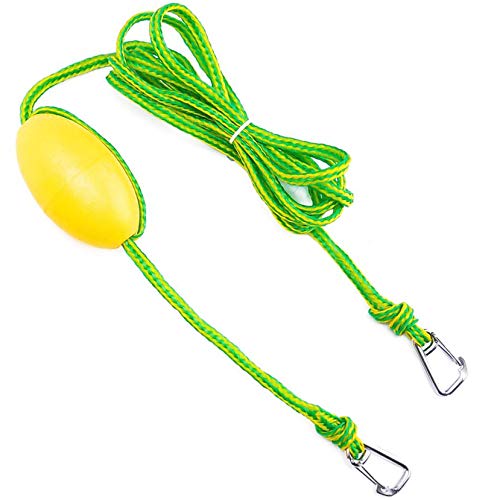
Features: Marine-grade durability designed for saltwater and freshwater exposure, UV resistance, and excellent shock absorption. High-visibility yellow and green colors ensure easy spotting in water and low light. Hollow braided design provides resilience and easy splicing; compatible with kayak anchors and tow lines.
Best for: Boaters requiring durable lines for frequent use in challenging water conditions. The rope’s resistance to UV and saltwater makes it better for long-term outdoor use.
Limitation: The color pattern may wear over time in heavy use or beach conditions; check for wear regularly after exposure to sun and salt.
Shappy Floating Rope Life Ring Line

Features: Hollow braided polypropylene rope with a hole-end design for easy splicing; galvanized snap hook and stainless steel hook reduce rust risk and improve safety. 1/4 inch diameter with a length around 15 meters; provides strong flotation and visibility with orange color and reflective tracers.
Best for: Safety-focused rescue throws and life ring setups around docks or boats. The dual-hook design supports secure attachment in various positions.
Limitation: The combination of hooks can add weight; ensure the rope is kept taut to prevent snagging in rough water conditions.
SETYPARY 60 Ft Boat Tow Rope

Features: 60 ft heavy-duty tow rope with high-visibility green and black colors. Designed for tubing and water sports, with a tensile strength rated for up to 4,200 lbs. Includes a ventilated storage bag and rope keeper strap to reduce tangling and improve transport.
Best for: Towable tubes and multi-rider water sports where long reach and clear visibility are important. The included storage solutions help with organization after use.
Limitation: The rope is optimized for high-load towing; avoid using it for delicate lines or delicate mooring tasks where a lighter line is preferable.
Buying Guide: Floating Rope Choices For Boats
What should I look for in a floating rope?
- Material and buoyancy: Polypropylene is common for floating ropes; it floats, resists water absorption, and dries quickly.
- Diameter and tensile strength: Larger diameters carry heavier loads; match to the intended task—docking, towing, or rescues.
- Visibility: High-visibility colors (orange, yellow, red) and reflective tracers help locate lines quickly in low light or choppy water.
- Durability: UV resistance, saltwater tolerance, and outer skins protect inner cores for long-term outdoor use.
- Hardware compatibility: Hooks, rings, or snaps should resist corrosion and suit your docking hardware.
- Storage and portability: Long ropes benefit from included bags or keepers to prevent tangling.
When is a heavier rope better?
Heavy-duty tow ropes or mooring lines offer higher tensile strength for lifting loads, towing tubes, or securing larger craft. They are best when reliability under high tension matters, but consider weight and handling in tight spaces.
When is a lighter rope preferable?
Lightweight ropes are easier to manage, throw, and store. They suit kayaks, small boats, or casual docking where maximum ease of use matters more than maximum load capacity.
How do I maintain floating ropes?
- Rinse after saltwater use to minimize corrosion and wear.
- Dry fully before storage to prevent mildew or stiffening.
- Inspect for fraying, cuts, or wear, and replace as needed.
- Keep away from sharp edges to prevent abrasion and tears.
FAQ
- What is the difference between floating and non-floating ropes?
Floating ropes are buoyant, making them easy to throw and see on the water, while non-floating ropes sink and are better for underwater tasks. - Which rope is best for docking larger boats?
A heavier, thicker rope with high tensile strength (like 3/8″ or larger) is typically better for mooring and docking larger vessels. - Are reflective colors necessary?
Reflective colors improve visibility in low light, improving safety during night operations or dawn/dusk activities. - Can I use a tow rope for mooring?
Tow ropes and mooring lines have different design purposes; use the rope designed for mooring to ensure reliability and safety. - How long should a boat rope be?
Rope length should allow for reach from the cleat to the mooring point, with extra length for throwing and slack as needed.