Best Portable Heaters for Boats: Warmth on the Water
When boating, reliable portable heat helps combat damp air and chilly cabins. This guide highlights five top-rated marine-friendly options, balancing safety, efficiency, and portability. Each product is evaluated for small- to medium-sized boat spaces, with attention to fuel type, heat output, and essential protections.
Summary of chosen products
| Product | Fuel / Power | Approx. Heating Area | |
|---|---|---|---|
| 9,000 BTU Portable Buddy Radiant Heater | Propane | Up to ~225 sq ft | |
| F215100 MH4B Little Buddy | Propane | Up to 95 sq ft | ODS safety and compact design |
| Boat Engine Compartment Heater (400W) | Electric (PTC) | Engine compartments (well-sealed spaces) | Self-regulating, marine-certified |
| BougeRV 5KW Diesel Heater | Diesel (diesel fuel, 12V/110V) | Small to medium spaces aboard | Fast heat, app control, multiple safeguards |
| Heat Hog 18,000 BTU Portable Propane Heater | Propane | Up to 450 sq ft | Tiltable, no electricity required |
9,000 BTU Portable Buddy Radiant Heater

Brand: Mr. Heater
Features: Emits 4,000 or 9,000 BTU/hr radiant heat. Designed and approved for indoor and outdoor use. Heats up to approximately 225 square feet.
Caframo True North Heater

Brand: Caframo
Features: 5 settings including steady heat to high output. Anti-freeze setting kicks in at 38°F (3°C) to prevent freezing. Solid steel housing with a low-profile design for easy storage. Three heat and two fan settings for total climate control.
Mr. Heater Little Buddy
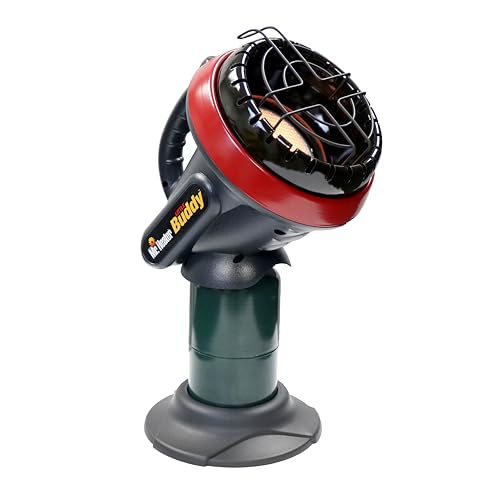
Brand: Mr. Heater
Features: 3800 BTU/hr with 45° heating angle, ideal for small spaces up to 95 sq ft. Works up to 7,000 feet elevation. Auto safety shut-off via low oxygen (ODS) and tip-over protection. Run time up to 5.6 hours on a 1-lb cylinder (not included).
Boat Engine Compartment Heater

Brand: Xtreme Heaters
Features: Self-regulating PTC element turns on at 40°F and off at 55°F. Durable anodized case and waterproof fan. 150-watt power, suitable for engine compartments and similar tight spaces. Flexible mounting, even upside down.
BougeRV 5KW Diesel Heater

Brand: BougeRV
Features: All-in-one 5KW diesel RV heater with 12V/110V options, 307 ft³ heating in about 8 minutes, quick installation, and multi-layer safety including overheat, voltage, and short-circuit protections. Includes 2-year tech support.
HEYDUOTON Portable Propane Heater

Brand: HEYDUOTON
Features: 3800 BTU propane heater, heats up to 200 sq ft. One-push ignition, adjustable heat output, portable and stable with foldable base. Suitable for camping, garages, tents, and boating use with proper ventilation.
Heat Hog 18,000 BTU Portable Heater

Brand: Heat Hog
Features: 18,000 BTU radiant heat, heats up to 450 sq ft, no electricity required, tiltable design for directing heat. Compatible with 1 lb LP cylinders or larger tanks with hose setup.
Buying Guide: Key Purchase Considerations For Boat Heat
- Heat source compatibility: Choose propane, diesel, or electric based on available fuel on board, storage space, and safety regulations. Propane models offer portable warmth but require ventilation; electric options need shore power or onboard capacity.
- Ventilation and safety: For enclosed cabins, prioritize heaters with oxygen depletion sensors (ODS), tip-over shutoffs, and automatic shutoffs if ventilation is insufficient. Marine-grade certifications add confidence.
- Heat output vs. space: Measure cabin volume and select a heater with appropriate BTU or wattage. Overheating cabin spaces can waste fuel and compromise safety; under-heating leaves moisture and dampness.
- Portability and mounting: Consider weight, handle design, and whether the unit can be stowed easily when underway. Some boats benefit from wall-mount or vertical mounting features to save space.
- Maintenance and durability: Marine environments demand corrosion resistance and robust housings. Look for sealed electronics, anti-freeze considerations, and simple fuel line or electrical connections.
- Fuel availability and runtime: For propane or diesel, assess cylinder availability and expected runtime. Electric heaters require continuous power; plan for battery and shore power compatibility.
- Noise and comfort: Some models generate noise or fan air movement. If the boat’s living area doubles as a sleeping space, prioritize quieter operation and even heat distribution.
- Cost of operation: While initial price matters, also consider fuel costs, replacement parts, and maintenance needs to estimate long-term expenses.
- Installation and clearance: Ensure installation complies with boat codes and that there is adequate clearance from flammable materials and ventilation ducts.