Best Kayak Load Assist Rollers for Easy Roof Loading
Answers for buyers seeking a reliable kayak roof loader: these rollers help slide kayaks onto car roofs with less effort and better hull protection. Best for occasional movers, frequent travelers, or small business fleets needing quick loading. The following picks emphasize strong suction, stable bases, and smooth foam rollers to minimize hull scuffs and awkward handling during loading and unloading. Use the buying guide to compare mounting styles, weight limits, and rear-window compatibility.
| Product | Brand | Capacity | Main Benefit |
|---|---|---|---|
| Codinter Kayak Roller, Kayak Load Assist | Codinter | 220 lbs | Strong suction cups with rotating foam for hull protection |
| Apaspoil Kayak Roller, Suction Alert | Apaspoil | 280 lbs | Triangular base for stability and automatic suction alert |
| Apaspoil Kayak Roller, Triangular Tripod Base | Apaspoil | 280 lbs | V-Design rolling and no-drill installation |
| Bonsing Kayak Roller, Suction Cups | Bonsing | 220 lbs | No-mark installation on curved windows |
| HLOGREE Kayak Load Roller | HLOGREE | 150 lbs | Red line safety indicator and curved-window fit |
Codinter Kayak Roller, Load Assist

The Codinter load assist uses two heavy-duty suction cups mounted on C-type aluminum bars, with a 220-pound capacity. It features a 360-degree rubber roller to protect the hull and a design that adapts to different rear window angles for better suction. Best for sedans and SUVs with rear windows that are not perfectly vertical. Choose this if you prioritize a robust, simple mounting system and clear hull protection during loading.
Who it’s best for: occasional or semi-regular kayak owners seeking strong suction and reliable protection. Limitation: not suitable for vehicles with vertical rear windows, and very tall windshields may require careful positioning.
Apaspoil Kayak Roller, Suction Alert

The Apaspoil model emphasizes a triangular structure for added stability with a 280-pound capacity. It includes a Safety Safety Suction Indicator that shows a red line if vacuum is insufficient, and a snap-in design that installs in about 10 seconds without tools. Best for users who want quick setup and a built-in suction status check.
Who it’s best for: buyers wanting rapid installation and a visible suction status. Limitation: depends on proper window curvature to maximize grip; if used on very curved or uneven surfaces, performance may vary.
Apaspoil Triangular Tripod Base Loader
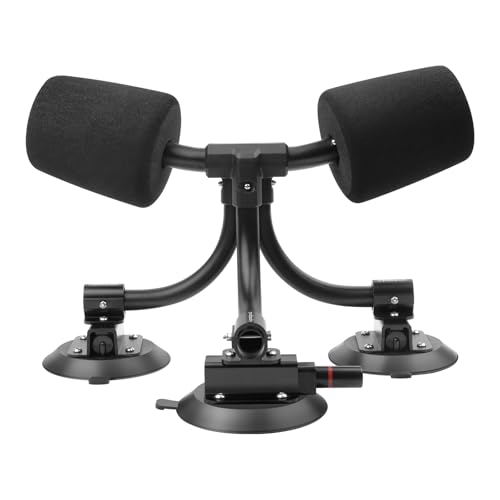
This model features a triangular tripod base for maximum stability, a wide range of kayak sizes, and a V-shaped rolling resistance to slow the load for safety. Two rolling foam barrels on both sides aid smooth loading and unloading. Best for larger kayaks and users seeking enhanced stability during loading. Caution: ensure adequate roof clearance on taller vehicles to avoid contact with antennas or roof racks.
Bonsing Kayak Roller, No-Marks

The Bonsing roller emphasizes no-mark installation, a wider load bar for curved windows, and two strong suction cups. It safeguards the vehicle finish and fits both flat and curved glass surfaces. Best for users who want to avoid window marks and need compatibility with curved windows. Limitation: the suction system relies on a clean window surface for maximum grip.
HLOGREE Kayak Load Roller

The HLOGREE system uses two heavy-duty suction cups with aluminum bars for up to 150 pounds. It includes a red safety line indicator to monitor suction state and a design that fits curved windows. Best for lighter to mid-weight kayaks on vehicles with curved rear windows. Caution: lower weight capacity compared to some rivals; ensure your kayak weight stays within limits.
Buying Guide
What loading style fits your vehicle?
- Two-cup suction versus tripod base: Two-cup setups offer quick mounting on flat or mildly curved windows, while tripod bases enhance stability for larger kayaks.
- Window curvature compatibility: Front-loading roofs vary; models with slight wobble or auto-adjustment designs perform better on curved rear windows.
How much weight can you rely on?
- 260+ pounds versus 150–220 pounds: Higher capacity generally supports larger kayaks and heavier loads, but always verify your vehicle roof’s weight limits.
- Foam rollers and bearings: Look for 360-degree rolling foam or hourglass rollers to minimize hull friction.
What about installation and safety features?
- Safety indicators: Red-line suction indicators help verify secure suction before loading, reducing the risk of slips.
- Antenna and roof clearance: Some designs include higher clearance to protect antennas during loading.
Material and finish considerations
- Aluminum bars and rubber rollers reduce hull damage and wear on load surfaces.
- No-mark installation surfaces: Especially important for vehicles with delicate rear windows or painted finishes.
Quick comparison at a glance
- Best for quick setup: Apaspoil Suction Alert model offers fast tool-free installation and visible suction status.
- Best for larger kayaks: Tripod-base Apaspoil and Bonsing models provide superior stability and higher capacity.
- Best value with hull protection: Codinter and Bonsing focus on rotating foam and no-mark finishes.
- Best for curved windows: HLOGREE and Bonsing emphasize curved-window compatibility and safe loading.
FAQ
- What is the typical weight capacity for these kayak rollers?
Around 150–280 pounds, depending on model and base design. Always confirm the product’s stated load limit and your kayak weight.
- Will these work on all vehicle types?
Most are designed for sedans and SUVs with rear windows that are not vertical. Check window curvature and roof clearance before purchasing.
- Do these require tools for installation?
Some models are tool-free with snap-in designs, while a few require basic adjustments. Review product notes to choose the right fit.
- Are there safety indicators to prevent suction failures?
Yes, several models include a red-line suction indicator that signals insufficient suction before loading.
- Can I load different kayak sizes with one of these rollers?
Yes, many models support a range of kayak sizes thanks to wide load bars and stable bases, but always verify compatibility with your kayak dimensions.