Best Sacrificial Anodes for Boats That Shield Your Hull and Equipment
If you’re seeking reliable marine protection, sacrificial anodes are a first consideration. These zinc, aluminum, or magnesium components prevent galvanic corrosion by sacrificing themselves to protect submerged metal parts. The best options balance material choice, installation method, and water type—saltwater, brackish, and freshwater all demand different alloys. This guide highlights five strong choices for American boaters, organized by installation style, alloy, and best use case. It also includes a quick product comparison and practical buying tips to help you pick confidently.
| Product | Best For | Water Type | Material | Installation |
|---|---|---|---|---|
| MARTYR CM656934A | Bolted hull protection in saltwater | Salt & Brackish | Aluminum | Bolt-On |
| holama Zinc Anode | Boat lifts and dock protection | Saltwater & Freshwater | Zinc | Cable Attachment |
| Martyr CMDIVERA | Large hull protection with slotted bolt-on | Saltwater & Brackish | Aluminum | Bolt-On |
| Lectrotab Trim Tab Alloy Anode | Trim-tab systems and small hull areas | Any water type | Aluminum/Indium | Direct Mount |
| Martyr CMX03 | Streamlined shaft protection | Saltwater | Zinc Alloy | Inline/Interlocking |
MARTYR CM656934A Aluminum Hull Bolt-On Anode

Best for saltwater and brackish vessels that use a bolt-on hull anode. The aluminum alloy is designed for ocean-going vessels and related structures, offering protection to iron, steel, aluminum, and magnesium components. Compared with traditional zincs, this model claims longer life, which translates to less frequent maintenance in high-salinity environments. It’s a practical choice for larger boats or steel-hulled crafts that rely on bolt-on protection.
Best for: boat owners needing a directly bolted hull anode with extended service life in mixed waters. Limitations: aluminum alloys can be sensitive to extreme water chemistry; verify mounting compatibility with your hull before installation.
holama Sacrificial Zinc Anode With Cable
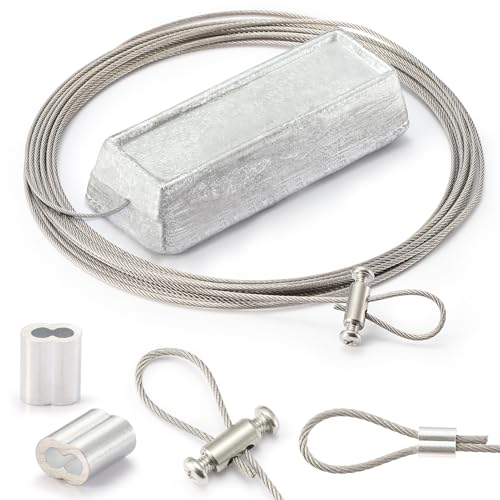
Best for versatile attachment on boat lifts and docks. This zinc anode includes a 20-foot stainless steel cable and three crimps, enabling flexible mounting on various structures. The zinc alloy provides strong protection against electrolysis in saltwater pools and marine environments, while the extended cable length supports complex installations. This option is well-suited for owners who need a robust, adaptable anode kit for multiple shoreline components.
Best for: users needing a long, flexible attachment option and broad corrosion protection. Caution: zinc-based anodes can wear faster in some freshwater scenarios unless specifically designed for mixed water use.
Martyr CMDIVERA Aluminum Slotted Bolt-On Hull Anode

Best for large hull protection where a slotted bolt-on design is advantageous. This aluminum anode is built for saltwater and brackish conditions, offering a longer-lasting barrier against corrosion by sacrificing itself instead of critical hull materials. It’s chosen for marine vessels with bolt-on mounting that benefit from a longer, easier-to-replace external anode.
Best for: boats requiring a sizeable, easy-to-install bolt-on option. Limitation: aluminum slotted designs may require precise alignment during installation to ensure full contact with the sacrificial surface.
Lectrotab Trim Tab Alloy Sacrificial Anode
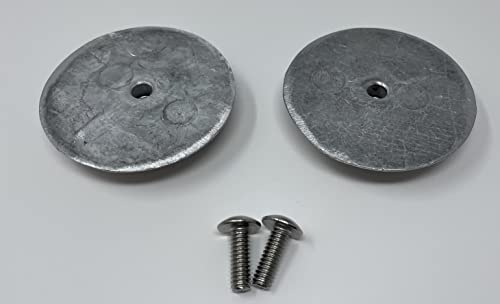
Best for trim-tab systems and areas where aluminum-based protection offers superior life. The alloy combines aluminum with indium to boost protection across a range of water conditions, and aluminum anodes typically outperform zinc in longevity. This choice supports longer service life for small hull sections and trim-related components where a dedicated anode is preferred over generic zincs.
Best for: owners using or upgrading trim-tab assemblies. Caution: aluminum/indium alloys can be more sensitive to improper installation or contact with certain metals, so ensure compatible mounting hardware.
Martyr CMX03 Zinc Streamlined Shaft Anode

Best for protecting shafts and streamlined components in saltwater. This zinc alloy anode is designed for interlocking halves and is not recommended for freshwater use. The streamlined shape reduces drag while offering durable, cost-effective cathodic protection for exposed shaft areas and propeller-related hardware.
Best for: shaft and prop-protected areas in saltwater crafts. Limitation: not ideal for freshwater environments due to material alloy design and performance in non-saline waters.
Buying Guide: How To Choose The Right Sacrificial Anode
What water type are you in? Saltwater requires different alloys than freshwater. The most common choices are zinc (excellent for saltwater durability), aluminum (longer life in mixed waters; good for hulls and larger structures), and magnesium (best for freshwater, not shown in these picks). Consider existing installation methods (bolt-on, slotted, or cable attachment) and your vessel’s hull material. Aluminum is often favored for aluminum hulls, while magnesium is less common on daily boats but can be ideal in freshwater lakes.
How does installation impact longevity? Bolt-on and slot designs offer straightforward maintenance but require precise mounting. Cable-attached anodes offer flexible positioning, particularly for lifts and piers. For trim-tab areas, aluminum/indium alloys provide extended life in typical marina conditions. Always verify clearance, corrosion compatibility, and mounting hardware before purchase.
How do you size and replace? Choose anodes that match the area’s exposure and the metal being protected. Larger, bulkier anodes protect more surface area but can add weight or drag if improperly installed. Regular inspection is essential; look for reduced mass, pitting, or uneven wear as signals to replace.
Frequently Asked Questions
- What is a sacrificial anode and how does it work? A sacrificial anode corrodes in place of other metal parts, protecting hulls, shafts, and fittings through electrochemical action.
- Which material should I choose for saltwater? Zinc alloys are common; aluminum is favored for aluminum hulls and mixed waters due to longer life.
- How often should I replace anodes? Inspect at least twice per year or after heavy use; replace when material loss approaches a third of the original mass.
- Can I mix anode materials on one vessel? Yes, but ensure compatible alloys and correct placement; avoid placing incompatible metals directly together to prevent accelerated corrosion.
- Will these protect my boat in freshwater? Some products are designed for saltwater or mixed waters. For pure freshwater, magnesium or specialized zinc alloys may be recommended, and some listed products are not ideal for freshwater.
- Do I need professional installation? Most installations are straightforward, but if you’re unsure about mounting, seek guidance from a marine technician to avoid improper contact or mounting errors.