Best Marine Hatch Seal Tape for Boats, RVs and Trailers in 2026
If you’re sealing marine hatches, RV doors, or engine compartments, choose seal tapes and tapes that deliver reliable waterproofing, flexibility, and durable material. This guide highlights five top options and explains who each is best for, plus practical buying tips. The listed products cover EPDM foam, butyl tapes, ribbed foam rubber seals, and closed-cell foam gasket strips to fit varied gaps and weather conditions. A quick summary table follows to help you compare at a glance.
| Product | Type | Best For | Key Benefit |
|---|---|---|---|
| UIOCSSC 26Ft EPDM Rubber Weather Stripping | EPDM Rubber Seal | Marina hatches, RV doors, trailer doors | Excellent sealing, durable and weather-resistant |
| Better Boat Butyl Tape | Butyl Tape | Roof seams, hatch edges, window frames | Long roll, easy peel-and-stick |
| LEWEREST Ribbed Foam Rubber Seal | Ribbed EPDM Foam | Ventilated areas, bulkhead seals | Noise reduction and reliable compression |
| TACO Marine Hatch Tape | Closed-cell Foam Tape | Hatches, bulkheads, anti-rattle sealing | Self-adhesive, medium density |
| Beeveer Live Wells Weather Stripping | Closed-cell Sponge Rubber | Boat live wells, instrument boxes | Self-adhesive, easy to install |
UIOCSSC 26Ft EPDM Rubber Weather Stripping
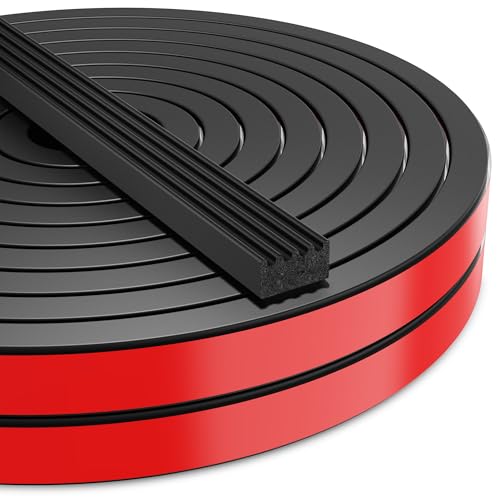
This EPDM rubber seal provides a tight, professional barrier against rain, wind, dust, and noise. It’s thick yet flexible, compressing to fill gaps and rebounding for long-lasting performance. It is designed for marine hatches, RV doors, enclosed trailers, and other outdoor doors. Best for boat hatch seals exposed to outdoor conditions. Caution: verify gap height to ensure full compression without excessive squashing.
Better Boat Butyl Tape For Roofs And Boats

This 36-foot butyl tape provides a heavy-duty, no-gun-seal solution for roofs, hatches, windows, and compartments. It’s easy to apply by peeling the liner and pressing into place, bonding to fiberglass, metal, rubber, vinyl, and wood. Best for full-perimeter sealing in long runs. Limitation: butyl can be soft in heat; avoid applying in direct sun on hot days to prevent sagging before curing.
LEWEREST Ribbed Foam Rubber Seal
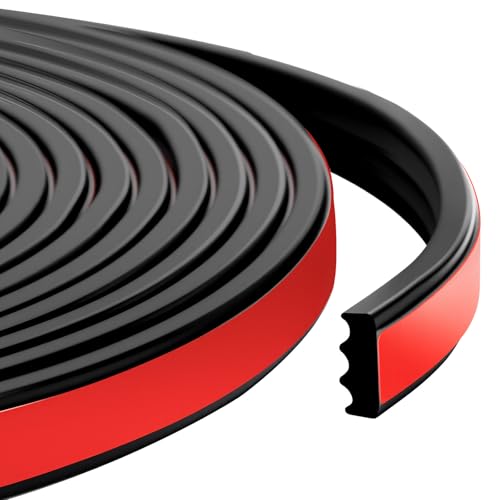
This ribbed EPDM foam seal combines a ribbed surface with 3M 4011 acrylic foam tape for excellent sealing and reduced noise. It fills gaps from 0.125″ to 0.188″ and delivers resistance to water absorption, ozone, sunlight aging, and cold. Best for lake boats or RVs with slightly uneven hatch gaps. Choose this if you want improved damping and quiet operation. Limitation: cut-to-size requires careful measurement to avoid overcutting.
TACO Marine V30-0748B8-2 Hatch Tape

Hatch tape with medium-density, closed-cell foam provides an anti-rattle seal. Self-adhesive for easy installation, this option is best for quickly upgrading hatch seals on boats or RVs where vibration is a concern. It’s a practical choice for standard gaps and routine maintenance. Limitation: may not seal very irregular hatch gaps as effectively as higher-density options.
Beeveer Live Wells Weather Stripping

This pair of weather stripping strips is designed for marine hatches, live wells, doors, and instrument boxes. It uses a medium closed-cell density, providing reliable sealing with self-adhesive backing for quick installation. Best for spare sealing around complex hatch shapes. Caution: verify adhesive compatibility with fiberglass and painted surfaces to avoid residue on finishes.
Buying Guide: Key Purchase Considerations
- Seal material: EPDM offers weather resistance and flexibility; butyl tape excels for long, continuous seals; closed-cell foam gives stable compression with good vibration dampening.
- Gasket thickness and gap fit: Measure hatch gaps and choose a seal that compresses without overfilling. Ribbed or textured surfaces can improve sealing in uneven gaps.
- Adhesive backing: Self-adhesive tapes simplify installation but require clean, dry surfaces. Some products need surface prep for best adhesion.
- Environmental exposure: For UV, saltwater, and sunlight, look for UV-resistant and saltwater-resistant formulations to avoid cracking or shrinking.
- Application area: Marine engine compartments, hatch doors, and live wells have different sealing needs. Choose a product designed for the specific environment.
- Installation tips: Clean surfaces, remove liners carefully, and press firmly to ensure a strong bond. For long runs, align starts and ends to minimize gaps.
FAQ
- What type of seal is best for marine hatches?
EPDM foam and butyl tapes are common choices. EPDM offers durability and weather resistance, while butyl tape provides strong adhesive sealing for continuous seams.
- How do I choose the right seal thickness?
Measure hatch gap height and select a seal that compresses about 25-40% to create a tight seal without squeezing the opening.
- Can I install seal tape without tools?
Many tapes have self-adhesive backing that lets you install with minimal tools. For some products, cleaning the surface and pressing firmly is sufficient.
- Will seal tape prevent engine moisture intrusion?
Yes, proper sealing around hatch openings reduces moisture entry and helps protect internal components from water and dust.
- How long should seal tape last in marine conditions?
Durability depends on material and exposure. UV resistance, salt exposure, and temperature cycling influence longevity; look for closed-cell foam or EPDM with UV inhibitors for longer life.