Best Docking Systems for Boats: Top Picks to Simplify Mooring and Protect Your Investment
When choosing docking systems for boats, consider the boat size, typical docking environment, and how much protection you want for hulls and cleats. This guide highlights five dependable options that balance ease of use, durability, and value for common American watercraft. The top picks range from mooring whips to fenders and rope lines, helping boaters avoid scuffs, reduce docking stress, and tailor setups to small ponds, marinas, or river docks. The buyer-friendly table below summarizes each option at a glance.
| Product | Best For | What It Helps With |
|---|---|---|
| Dock Edge Premium Mooring Whip (14′) | Mid-size boats up to 28′ | Secure mooring, easy assembly, fade-resistant materials |
| Dock D-Fender Red Fire Boat Docking System | Any boat needing bump protection | Hull protection from docks and piers |
| Dock Edge Premium Mooring Whip (8′) | Smaller craft up to 18′ | Compact mooring with simple setup |
| Marine System Double Braided Nylon Dock Lines 3/8″ x 15′ | All boats needing dependable lines | High strength, durability, eyelet convenience |
| Mission Cannon Boat Fenders 2 Pack | General docking protection | Non-marking, height-adjustable bumpers |
Dock Edge Premium Mooring Whip 14′ (Model #3600)

Best for mid-sized boats up to 28′ or 10,000 lbs, this set includes two 14′ mooring whips made with reinforced cross-wound fiberglass. The unique plug-and-socket system requires no gluing and makes assembly and disassembly straightforward when not in use. Designed for ease of use by boaters who want reliable mooring without complex setup. Who it’s for: boat owners seeking a durable, plug-and-play docking solution for larger pontoons, runabouts, or small to mid-size cruisers. Limitation: longer lengths may require more storage space when not in use.
Dock D-Fender Red Fire Boat Docking System

Best for protecting boats from scuffs and scrapes when docking, this floating fender system is ideal for bass boats, pontoons, or runabouts. Its buoyant foam exterior with a strong core ensures the fender stays afloat while providing reliable dock protection. Who it’s for: boaters needing a simple, portable protection device that’s quick to position. Limitation: not a mooring accessory; primarily guards against hull contact rather than mooring tension.
Dock Edge Premium Mooring Whip 8′ (Model #3200)
Better for smaller craft up to 18′ or 2,500 lbs, this 8′ mooring whip offers a compact, easy-to-handle option with the same plug-and-socket setup. White fiberglass with a conventional tip simplifies use for beginners. Who it’s for: boaters with light to mid-weight boats who want a portable, low-profile mooring solution. Limitation: shorter length reduces reach for larger docks or higher cleats.
Dock D-Fender Grey Gun Metal Boat Docking System
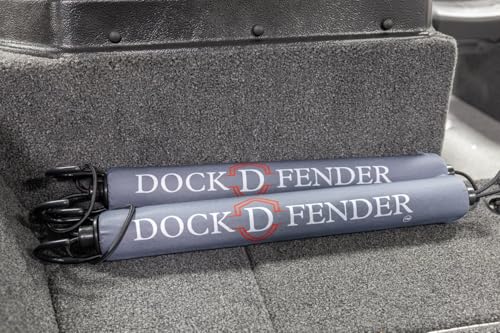
Designed specifically as a docking device, this grey gun metal fender option provides protection with a modern look. It suits boats that regularly dock in crowded or exposed slips where hull protection matters most. Who it’s for: boaters prioritizing stylish, consistent protection during docking. Limitation: data is limited on compatibility with specific hull types.
MARINE SYSTEM Double Braided Nylon Dock Lines 3/8″ x 15′ (2 Pack)
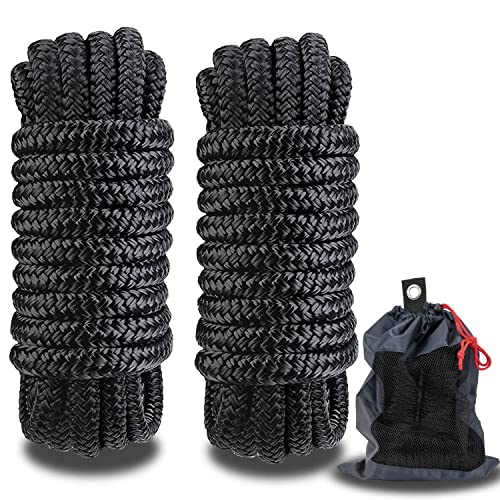
Best for general mooring needs, these 3/8″ x 15′ double-braided nylon lines include a 12″ eyelet for easier dock attachment and reinforcement for durability in varied weather. They come as a 2-pack with storage bag for convenience. Who it’s for: boat owners seeking strong, weather-resistant lines. Limitation: as with any rope, guide usage to avoid overloading under heavy seas.
Dock Edge Economy Mooring Whip 8′ (Set of 2)

Economy mooring whips offer a budget-friendly option for boats up to 18′ or 2,000 lbs. They feature white fiberglass with a conventional tip and a solid aluminum base that includes a built-in cleat and eyelet for straightforward docking. Who it’s for: cost-conscious boaters who still want dependable mooring. Limitation: reduced features and shorter longevity compared to premium models.
Buying Guide: What To Consider When Choosing Docking Systems
How big is your boat, and where do you dock most often? For larger vessels, longer mooring whips reduce strain on cleats and lines. If you dock in high-traffic marinas, consider fenders that offer robust hull protection and easy re-positioning. For frequent mooring, durable lines with eyelets help speed up setup and improve safety during gusts or shifts. Weigh the trade-off between portability and protection, and match your gear to typical docking scenarios, such as rivers, lakes, or saltwater harbors.
What type of docking system should I prioritize?
Prioritize mooring whips for secure, tension-free mooring when you have space and can manage storage. Add fenders for hull protection in crowded docks. Include robust dock lines for reliable mooring in any weather.
How many pieces do I need?
For most mid-sized boats, two mooring whips plus a pair of fenders and a set of dock lines provide comprehensive coverage. Small boats may get by with one or two whips and lighter lines.
Are there any setup or maintenance tips?
Keep plug-and-socket connections clean and dry. Inspect lines and fenders for wear or indentation after each season. Store whips and lines in a dry area to prevent corrosion and material fatigue.
Which option provides the best protection?
Premium fenders with a buoyant core and non-marking foam offer better hull protection, especially in high-traffic docks. For mooring reliability, premium mooring whips reduce stress on cleats while maintaining quick setup.
What should I avoid?
Avoid overloading lines beyond their rated capacity. Do not mix heavy tactical hardware with lightweight boats unless the specifications clearly support it. Avoid using damaged fenders or damaged mooring devices.
Maintenance checklist
- Inspect eyes, knots, and connections monthly.
- Clean fiberglass whips to prevent surface wear.
- Test the plug-and-socket joints for looseness before each season.
- Replace any frayed lines or fatigued fenders promptly.
FAQ
- Q: What is the main purpose of mooring whips? A: To absorb shock and reduce strain on cleats during docking and mooring.
- Q: Are boat fenders necessary if I already have mooring lines? A: Fenders protect the hull when docking, especially in crowded slips or currents.
- Q: How do I choose line length? A: Match the length to your boat size, dock height, and expected spring or tidal movement.
- Q: Can I mix products from different brands? A: Yes, as long as the line strengths, fender sizes, and whip lengths are appropriate for your boat.
- Q: What maintenance steps are essential after a season? A: Check all lines for fraying, reseal any metal hardware if required, and replace worn fenders.
- Q: How can I protect my boat in saltwater? A: Use corrosion-resistant hardware, rinse gear after use, and regularly inspect lines and fenders for wear.