Best Motors for Fishing Boats: Reliable Trolling and Outboard Options
Finding the right motor for a fishing boat depends on boat size, water conditions, and how you fish. This guide highlights five dependable choices that cover transom-mount electric trolling motors and small outboard engines, helping anglers pick the right power and control. Best for freshwater anglers, saltwater setups, budget-minded buyers, and those seeking strong low-end torque, these selections balance efficiency, durability, and ease of use.
Summary of selected products:
| Product | Power Type | Thrust/Power | Shaft Length | Best For |
|---|---|---|---|---|
| Minn Kota Endura C2 Transom-Mount Electric Trolling Motor – 30 Lb | Electric Trolling Motor | 30 Lb thrust | 30 in. | Freshwater setups; easy maneuverability |
| DUIBAII 2 Stroke 18 HP HangKai Outboard | Gas Outboard | 18 HP | Short shaft | Budget-friendly small boats; rugged performance |
| Newport NV-Series 55lb Thrust Saltwater Trolling Motor | Electric Trolling Motor | 55 Lb thrust | 30 in. | Saltwater and versatile power |
| Minn Kota Endura C2 Transom-Mount Electric – 50 Lb | Electric Trolling Motor | 50 Lb thrust | 36 in. | Medium-to-large boats; stronger punch |
| Newport NV-Series 36lb Thrust Trolling Motor | Electric Trolling Motor | 36 Lb thrust | 30 in. | Lightweight setups; kayak or small craft |
Minn Kota Endura C2 Transom-Mount 30 Lb – Freshwater
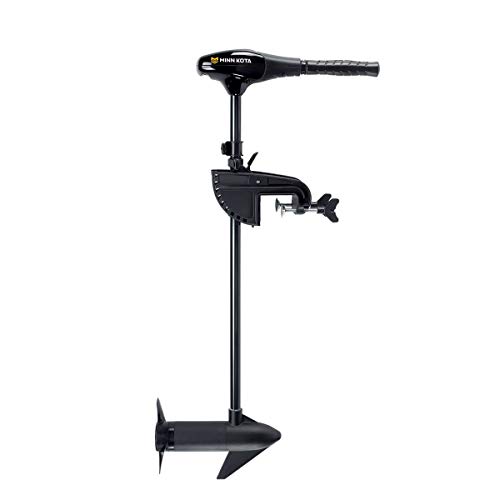
Best for anglers who fish lakes and calm rivers where light, dependable power is enough to maneuver a small craft. This model features a 30-pound thrust with a 30-inch shaft and a telescoping 6-inch tiller for comfortable, one-handed control on long trips. A push-to-test battery meter helps track charge while you’re on the water. The 10-position lever lock bracket makes angle adjustments straightforward.
Recommended for: freshwater boats under 16 feet, light tackle setups, and enthusiasts who want straightforward, quiet propulsion. Limitation: not ideal for heavy vegetation or strong current where higher thrust is needed.
DUIBAII 18 HP HangKai Outboard – 2 Stroke

This option suits small fishing boats that need more power than a trolling motor can provide. The 18 HP engine is designed for fresh or saltwater use with a lightweight aluminum alloy build and a compact, short shaft. It offers a powerful performance with a high maximum RPM, and an external 6.34-gallon fuel tank supports longer trips. Caution: 2-stroke engines require appropriate fuel/oil mixtures and regular maintenance.
Best for: boats that require higher-speed positioning or longer runs between refueling; ideal when you need reliable throttle response in open water. Limitation: operation depends on fuel availability and ongoing maintenance of a gas outboard.
Newport NV-Series 55lb – Saltwater Trolling

This model offers robust power for saltwater fishing with a 55-pound thrust and a 30-inch shaft. It includes a five-LED battery meter and a six-inch telescoping tiller handle for precise control. Eight speeds (five forward, three reverse) provide flexibility for various current and wind conditions. Best for: larger boats or heavier loads that demand stronger thrust without sacrificing efficiency. Caution: saltwater corrosion resistance demands regular rinsing and maintenance.
Minn Kota Endura C2 50 Lb – Transom-Mount
The 50-pound thrust version is built for greater staying power and control on mid-size boats. It uses reinforced composite construction to resist flexing and UV damage, ensuring durability in marine environments. The 6-inch telescoping tiller and the high-performance propeller are designed to push through heavier vegetation. Best for: boats that encounter moderate weed beds or wind-driven drift. Limitation: heavier motors require more robust mounting and battery support.
Newport NV-Series 36lb – Small Craft Friendly
This 36-pound thrust model provides lightweight propulsion suitable for kayaks, canoes, and small inflatables. It is designed to be quiet and efficient, with a 30-inch shaft and a simple battery indicator. Best for: ultra-light setups where portability and low battery usage matter most. Limitation: lower thrust means slower acceleration in windy conditions or strong currents.
Buying Guide
- : Choose higher thrust for heavier boats or current-rich water, and lighter thrust for small craft or calm water.
- : Electric trolling motors are quiet and maintenance-light for freshwater use, while gas outboards like the HangKai provide more raw power for bigger or faster boats.
- : A longer shaft helps prevent cavitation in chop and keeps the prop in the water at deeper drafts; common lengths are 30″ and 36″.
- : 2-blade props are efficient for light loads; 3-blade props offer better bite in weed or wind.
- : Transom-mounts require a sturdy transom and appropriate mounting brackets; check for compatibility with your boat’s gunwale height and steering system.
- : Electric models depend on battery capacity and run time; gas outboards require fuel management and maintenance plans.
- : Rinse saltwater units after use; inspect wiring, corrosion protection, and prop wear regularly.
Frequently Asked Questions
- What determines the best thrust for my boat? Boat weight, draft, and typical water conditions. Heavier boats or windy current conditions benefit from higher-thrust motors.
- Are electric trolling motors suitable for saltwater? Some are designed for saltwater; check corrosion resistance and rinse after use to prevent corrosion.
- Can I use a small outboard on a freshwater boat? Yes, for boats needing more power or speed, especially when larger trolling motors aren’t practical.
- What is a transom-mount motor? It attaches to the stern (transom) of the boat and provides steering and propulsion control for small craft.
- Do I need a longer shaft for rough water? A longer shaft helps keep the propeller underwater in chop, reducing cavitation and improving control.
- How do I choose between 2-stroke and 4-stroke engines? 2-stroke engines are lighter and provide quick power, while 4-stroke engines offer better fuel efficiency and lower emissions. Consider maintenance availability and running conditions.