Best Water Jet for Kayak: Top Picks for Power, Safety, and Convenience
Answering the question “what water jet or propulsion option works best for a kayak?” comes down to a balance of power, depth rating, and practicality. For paddlers seeking added propulsion, the ApisQueen U5 underwater thruster offers forward thrust for inflatable boats and kayaks, while complementary gear like a rugged bilge pump, towing rope, and protective gloves enhance overall safety and mobility on the water. This guide highlights five practical selections, explains who they’re best for, and compares key considerations to help you choose wisely.
Summary table of selected products:
- ApisQueen 12-24V 800W U5 Underwater Thruster – Best for inflatable kayaks needing strong, compact propulsion in fresh water.
- Jet Pilot Hold Fast Full Finger PWC Glove – Best for protecting hands during high-intensity water sports and handling gear.
- Drill Paddle for Canoe, Kayak, Raft – Best for converting a drill into a versatile trolling motor-style propulsion aid.
- Better Boat Manual Bilge Pump – Best for quick water removal from kayaks and small craft without power.
- Botepon Floating Kayak Tow Rope – Best for towing, rescue, and group paddling with high visibility and quick clips.
ApisQueen U5 Underwater Thruster For Kayaks

Best for inflatable kayaks and small watercraft that need extra forward thrust in fresh-water environments. The U5 thruster uses a brushless motor with a maximum thrust of about 7 kg (15.43 lbs) and is built to resist rust and corrosion. It features a potted seal with a waterproof depth rating up to 50 meters, making it suitable for a range of shallow to mid-depth excursions. A 24V LiPo battery is recommended for optimal performance, though batteries are not included. This option is ideal for anglers, recreational paddlers, or rescue-minded kayakers who want a compact propulsion boost without a full motor system.
Who it’s best for: Paddlers using inflatable kayaks or light watercraft who want added propulsion in calm to moderate conditions and have a compatible 24V power setup. It’s better for freshwater use and users comfortable with battery-powered gear.
Why chosen: It delivers a strong thrust in a compact form and is designed to resist water exposure with corrosion-resistant components. The trade-off is that it requires a 24V battery (not included) and is best suited for freshwater use as noted by the manufacturer.
Note / limitation: Not intended for saltwater use; battery availability and fitting compatibility should be confirmed before purchase.
Jet Pilot Hold Fast Full Finger PWC Glove

This full-finger glove is designed for high-intensity water sports, including jet skiing, kayaking, windsurfing, and stand-up paddleboarding. It uses ultra-thin 1 mm neoprene for flexibility and snug comfort, with spandex finger gussets to maintain dexterity and grip. The glove improves handling of your watercraft by reducing grip fatigue and providing a secure feel in wet conditions.
Who it’s best for: Kayakers seeking better hand protection, improved grip, and extended control during demanding paddling sessions or quick maneuvers.
Why chosen: Emphasizes freedom of movement and precise handling, which are critical when navigating with added propulsion or towing gear.
Note / limitation: Designed for standard water sports; users in extremely cold conditions may want thicker insulation for longer sessions.
Drill Paddle For Kayak And More
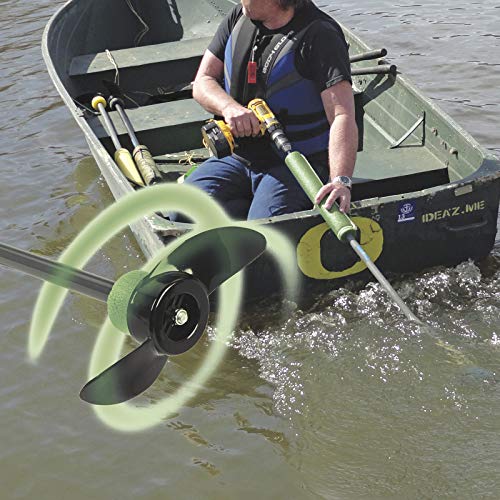
This paddle accessory converts a standard drill into a power-assisted propulsion option compatible with kayaks and small watercraft. It is marketed toward users who want an adaptable, drill-powered propulsion aid or trolling motor-like capability. The product includes a free pin and nut with every order, emphasizing ease of installation and quick use in practical scenarios.
Who it’s best for: Paddlers who want an affordable, customizable propulsion supplement or a DIY approach to extend their craft’s mobility.
Why chosen: Offers a flexible alternative to purpose-built motors, useful for experimentation or budget-conscious buyers who understand DIY considerations.
Note / limitation: Compatibility depends on drilling setup and safety considerations; proper mounting and power management are essential for safe operation.
Better Boat Manual Bilge Pump For Kayaks

A compact, powered-free bilge pump designed to remove water from kayaks, canoes, and small dinghies. It clears water at about 5 gallons per minute without batteries or external power. The pump includes a 24-inch hose and dual-end hose options for flexible intake and discharge. Its raised intake tip reduces suction blockage by ensuring water entry from the sides rather than the hull bottom, which helps in shallow, silty, or weedy waters.
Who it’s best for: Any kayaker needing a lightweight, battery-free solution to quickly remove water after rain, capsize, or splash entry.
Why chosen: Reliability, ease of use, and compact size make this ideal as a backup or primary bilge option on smaller craft.
Note / limitation: Manual operation requires physical effort; not a substitute for motorized propulsion in rapid water conditions.
Botepon Floating Kayak Tow Rope

This 20-foot tow rope is designed for kayak towing, rescue operations, and group paddling. It features 316 stainless steel clips on both ends for quick, secure connections to D-rings or handles. The rope includes high-visibility floating balls along its length to keep it afloat and easy to locate, reducing the risk of tangling under a kayak during towing or rescue scenarios.
Who it’s best for: Kayakers who paddle in groups, want a fast attachment option, and may need to tow or rescue fellow paddlers.
Why chosen: Strength, quick-connect design, and high visibility improve safety and efficiency on the water.
Note / limitation: Ensure the rope’s rated load matches your craft and always inspect clip connections before use.
Buying Guide: Water Jet And Propulsion Gear For Kayaks
- Propulsion needs: Determine if you want a full propulsion system (like a thruster) or supplemental power (drill-assisted, manual bilge, towing rope). Thrusters provide forward thrust and maneuverability but require power sources and mounting considerations. Manual options are simpler and cheaper but labor-intensive.
- Environment: Freshwater use is highlighted for certain thrusters. If you paddle in saltwater, verify corrosion resistance and suitability. Consider the depth rating and the vehicle’s hull compatibility before purchase.
- Power and battery: For propulsion devices, confirm battery type, voltage, and safety. A 24V LiPo battery is commonly recommended for some thrusters. Ensure you have compatible charging options and storage.
- Safety and handling: Gloves improve grip and control; bilge pumps prevent sinking by removing water; tow ropes enable rescue and towing. Use high-visibility equipment to reduce risk in busy waterways.
- Installation and maintenance: DIY propulsion options require careful mounting and waterproofing. Read installation instructions for mounting hardware, seals, and cable routing. Regularly inspect for wear and corrosion.
- Weight and balance: Additional gear changes the boat’s weight distribution. Ensure mounting does not destabilize the kayak and verify center-of-gravity positioning for safe handling.
- Budget vs value: Compare cost against durability and required accessories (batteries, hoses, clips). Cheaper options may lack long-term reliability or replacement parts.
Frequently Asked Questions
- Do I need a water jet for my kayak? Answer: A water jet or thrust system can provide added propulsion for paddlers who want more speed or easier maneuvering, especially on inflatable kayaks or when carrying extra gear.
- Is a thruster safe for beginners? Answer: Thrusters require careful mounting and battery handling. Beginners should seek professional installation guidance and follow safety instructions strictly.
- Can I use saltwater with these products? Answer: Some units are rated for freshwater use; confirm corrosion resistance and suitability for saltwater if you paddle in marine environments.
- What maintenance is needed? Answer: Regularly inspect seals, bearings, and hoses; check battery connections; rinse gear after exposure to water and store dry.
- What’s the best backup option? Answer: A manual bilge pump is a reliable backup for water removal, while a tow rope provides essential rescue and group-paddling support.
- Do these products affect kayak stability? Answer: Any added propulsion or weight can influence balance. Ensure proper installation and test handling in safe conditions before venturing far.