Best Lift Bags for Boats: Top Picks for Safe, Efficient Salvage and Ballast
If you need reliable lift bags for boats, these options offer strong buoyancy control, durability, and clear visibility for marine operations. This guide focuses on five well-suited products for various tasks—from underwater salvage to ballast management and quick-attach storage—so buyers can pick the right bag for their specific use case. Each item is explained with who it’s best for and why it stands out, plus practical cautions to consider in real-world scenarios.
Product Snapshot
Summary of chosen products:
- Subsalve USA Enclosed Flotation Lift Bags (Enclosed Pillows) – 200 lbs: Excellent buoyancy control for underwater salvage and high visibility underwater.
- JCS Subsalve USA Enclosed Flotation Bag – Tan Polyurethane, 550 lb Lift Capacity: Ready-to-use kit with heavy-duty materials for larger lifts.
- Seamax Universal Sunlitec 3-Layers Welded Hull Storage Bag (Size A): Durable, multiple handles, designed for portability and storage under canopies.
- GliCraft 2 Pack Boat Ballast Bags – 50 lb each: Lightweight ballast option for on-board trimming and wave shaping in compact spaces.
- AKONA Extra Large Lift Bag – 140 lbs: High lift capacity with durable construction for salvage and heavy items.
Subsalve USA Enclosed Flotation Lift Bags (Enclosed Pillows) — 200 lbs

Best for: Underwater salvage operations requiring precise buoyancy control. These enclosed pillows use multi-valve setup to maintain 2.5 psi above ambient pressure, enabling controlled ascents and descents critical in dives and recovery tasks.
Why selected: Superior buoyancy control paired with RF-welded nylon and urethane coating offers puncture and abrasion resistance in harsh marine environments. The tan color improves underwater visibility for locate-and-manage operations, enhancing safety during critical tasks.
Caution: The system relies on valve integrity and proper crew training to manage pressure during ascent and descent; ensure valves are checked before use to avoid unexpected buoyancy changes.
JCS Subsalve USA Enclosed Flotation Bag — Tan Polyurethane, 550LB Lift Capacity
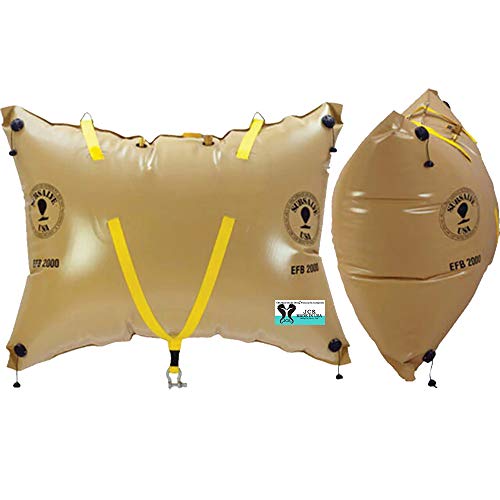
Best for: Larger lift operations or scenarios where higher lift capacity is needed without multiple smaller bags. This bag is built for immediate use with all hardware included and heavy-duty materials.
Why selected: High-strength urethane-coated nylon fabric and reinforced lift straps provide durability for repeated deployments. Its 550 lb capacity supports heavier salvage tasks or moving sizable objects from depth to surface.
Caution: Heavy lift bags require careful handling and proper surface support to prevent overloading or sudden shifts during inflation or deflation.
Seamax Universal Sunlitec 3-Layers Welded Hull Storage Bag (Size A)

Best for: Boat owners seeking robust storage solutions for inflatable boats or folded hulls, especially when traveling or storing under canopy areas.
Why selected: A four-sided bag with double reinforced handles and reflective tape enhances grip and visibility. The design emphasizes portability and reliable carrying by offering multiple handles, including upper and lower options with ample gaps for different sized loads.
Caution: This bag focuses on storage and carrying rather than lift or ballast; ensure compatibility with your boat size and storage needs before purchase.
GliCraft 2 Pack Boat Ballast Bags — 50 lb Each

Best for: Small to mid-sized boats needing quick, adjustable ballast without permanent alterations to the hull. Each bag holds up to 50 pounds when filled with water.
Why selected: These bags provide an easily adjustable ballast option that reduces drag compared to traditional metal weights. The product uses thick, puncture-resistant marine materials and high-frequency welded seams for durability, with double top and bottom handles for simple handling.
Caution: They require proper placement to avoid interfering with deck hardware or cabin space; test accessibility and balance before setting sail.
AKONA Extra Large Lift Bag — 140 LBS
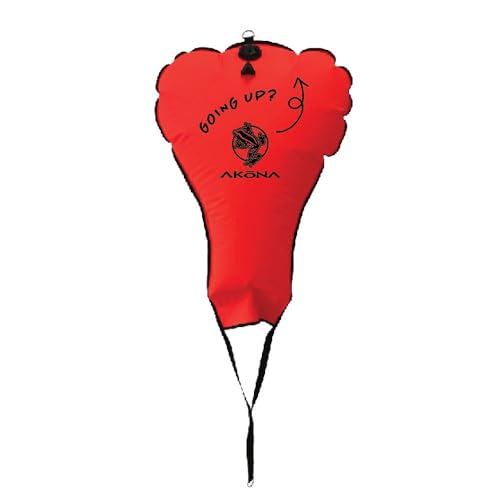
Best for: Divers and salvage operators who need substantial lift capacity from a single bag, with reliable deployment from the bottom up and easy inflation.
Why selected: The bag is designed with 210D laminated nylon/TPU for strength and durability, including stainless steel D-rings and a bottom lifting strap for secure attachment. Baffled opening reduces air spillage during inflation, which is helpful in challenging conditions.
Caution: Larger lift capacity requires careful handling to maintain buoyancy balance; ensure you have proper training and crew coordination when deploying this bag.
Buying Guide: What To Consider When Choosing a Lift Bag
What lift capacity do you need?
Assess the weight of typical loads you plan to lift, plus a safety margin. Smaller tasks may use 50–70 lb bags, while salvage or heavier loads benefit from 140–550 lb options.
What material and durability matter?
Look for reinforced, puncture-resistant fabrics with welded seams. Urethane coatings and laminated nylon offer durability in saltwater, while corrosion-resistant hardware improves long-term reliability.
How important is buoyancy control?
Multiple dump valves and pressure management systems help maintain steady ascent and descent. Bags designed for precise control reduce the risk of rapid, uncontrolled movements underwater.
Is visibility or location critical?
Underwater tasks benefit from high visibility colors (such as tan or orange) and reflective elements. Consider bags with color schemes and reflective trims for locating and securing loads in low-light conditions.
What about portability and storage?
For frequent deployments, select bags with multiple handles, compact packaging, and ease of storage. Storage bags or hull bags can help keep the deck tidy between operations.
Safety and compatibility considerations
Ensure all hardware is rated for the intended lift and that inflation/deflation procedures align with crew training. Verify bag dimensions and compatibility with your vessel’s deck layout and anchor points before purchase.
How should you maintain lift bags?
Inspect for wear, tears, and valve integrity after each use. Rinse with freshwater after saltwater use, dry completely, and store in a cool, shaded area to extend material life.
Frequently Asked Questions
- What lift bag size is best for beginners? A smaller bag, around 50–200 lb capacity, is usually more manageable for new users and common light salvage tasks.
- Can lift bags be used for on-water ballast? Yes, ballast bags are designed to adjust trim and balance by adding water ballast, which helps fine-tune hull attitude.
- Do I need training to use lift bags safely? Yes. Proper deployment, buoyancy control, and safety procedures are essential to prevent accidents.
- What maintenance steps avoid leaks? Regularly inspect seams and valves, rinse after saltwater use, and store in a dry environment away from direct sunlight.
- Are enclosed lift bags safer than open-bottom bags? Enclosed designs help contain payloads and control buoyancy more predictably, though both types require proper handling and training.
- How do I choose between lift bags and ballast bags? Lift bags are for hoisting and moving loads from depth, while ballast bags adjust vessel buoyancy and trim; select based on your primary operation needs.