Best Ballast Bags for Boats to Improve Wake Profiles and Stability
Ballast bags for boats are a simple, portable way to tune wake size, shape, and boat performance. This guide helps buyers pick the right ballast bags for wakesurfing, wakeboarding, and general boat optimization. The top picks below are chosen for versatility, ease of use, and fit in common spaces on many vessels. Designed for different boat sizes and user goals, they suit casual lakeside riders and enthusiasts seeking better control on the water.
Buyer types: casual weekend riders may prefer low-profile, easy-fill bags that pack away after use. Enthusiasts seeking bigger wakes or more precise tuning might choose higher-capacity bags that are compatible with existing ballast systems. This summary table highlights five strong options and why they stand out for different needs.
| Product | Best For | Capacity | Notes |
|---|---|---|---|
| Tidal Wake Boat Ballast Bag 2 Pack | Space-limited boats, quick tuning | 50 lb each (total 100 lb) | No pump required; portable and low profile |
| WAKE 10 Boat Ballast Bag | Fine-tuning at cruising speeds | 50 lb | Compact, insert under seats |
| Fat Sac Ballast Bag | High capacity, stable ballast | 750 lb | Classic ballast option |
| Bullet Lines Wakesurf Ballast Bag | Big wake enhancement with cover | 350 lb | Cover with access for fill/drain |
| Shotbag Ballast Bag 25/50 lb (D-Ring) | Balanced upgrades, easy handling | 25 or 50 lb | No-toxic, padded handle, durable stitching |
Tidal Wake Boat Ballast Bag 2 Pack — 50 Lb Each

Best for: boat owners who want a compact, pump-free ballast option that’s quick to deploy. These bags hold up to 50 pounds of water when full and store flat when empty, making them ideal for small spaces under seats or benches. They’re designed to be portable, with double handles for easy filling and movement. Use them to fine-tune wake size without heavy lifting or bulky equipment.
Why chosen: the pair provides added ballast in minutes, reducing clutter and saving space compared to heavier, non-water ballast alternatives. The low-profile design fits tight spaces, contributing to cleaner deck layouts and easier storage when not in use.
Caution: fill only in the water in which the boat operates to avoid overloading. Ensure bags are fully drained before storage to prevent mold or odor buildup in off-season storage.
Shotbag Ballast Bag for Wake Surfing (50 Lb) — Recycled Steel Shot

Best for: riders who want a durable, corrosion-resistant ballast option with a focus on hand comfort. These bags use fine recycled steel shot instead of lead, reducing toxic exposure and providing predictable mass distribution. A padded handle improves handling during transfer and placement.
Why chosen: PTFE/Tenara-thread construction helps prevent seams from degrading in sun exposure, contributing to longer bag life. The design emphasizes user comfort and longevity, making it a dependable choice for regular use.
Caution: check compatibility with your boat’s seating arrangement and storage space. The 50 lb version provides substantial ballast but may be heavy to move for some users.
Shotbag Ballast Bag (25 Lb) — Recycled Steel, D-Ring

Best for: boaters who want a lighter ballast upgrade or a set of multiple bags for staged weight changes. The 25 lb option uses the same durable construction and steel-shot interior for consistency with heavier bags.
Why chosen: it matches the mid-range handling features of the 50 lb Shotbag while offering more adjustable weight options when combined with other bags. The same protective stitching and padded handles help reduce wear on hands.
Caution: ensure you don’t exceed safe boat ballast limits; use in combination with your boat’s manual ballast guidance to maintain stability and trim.
WAKE 10 Boat Ballast Bag — 50 Lb
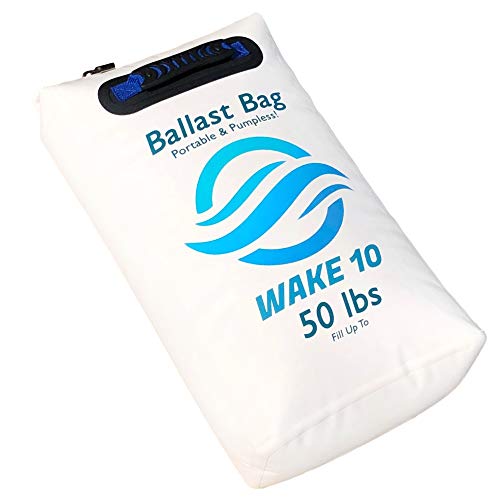
Best for: riders seeking straightforward, pump-free ballast to dial in a wake without shifting passengers or modifying the boat dramatically. It is particularly useful when you want to adjust the bow or stern trim for smoother cruising.
Why chosen: its compact footprint helps keep seats and floors clear, while the fill-and-go approach saves time on windy or busy days. It’s easy to position under seats to keep surfaces uncluttered.
Caution: fill speed depends on water flow; ensure safe operation when the boat is moving slowly to avoid splashing or overfilling.
Tidal Wake Boat Ballast Bag — 50 Lb (Second Listing)
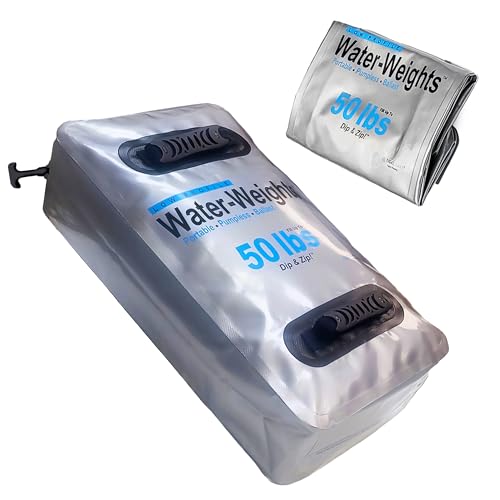
Best for: riders who want a repeatable, simple ballast system that’s easy to stock and deploy. This option mirrors the first Tidal Wake model with a focus on portability and quick adjustments.
Why chosen: the duplicate listing reinforces the value of a reliable, pump-free ballast solution that fits small spaces. It’s well-suited for boats with under-seat storage and those seeking minimal setup time.
Caution: ensure the bags are completely dry before storing to prevent mold or odor buildup in long idle periods.
Bullet Lines Wakesurf Boat Ballast Bag with Cover — 350 Lb

Best for: riders who want a high-capacity ballast solution for big wakes and aggressive surfing setups. The 350 lb bag provides substantial mass for significant wake enhancement, especially on larger boats or events.
Why chosen: the included cover protects the bag when not in use, and the kit design emphasizes portability so you can remove it when not required. This option is best for specialized wakeboard or wakesurf settings where maximum wake is desired.
Caution: high ballast requires careful handling; ensure boat trim and weight distribution are monitored to maintain safe handling and stability at speed.
Buying Guide: Key Considerations For Ballast Bags
- Boat size and storage: Measure available under-seat and floor space to choose low-profile bags that won’t interfere with passengers or foot traffic.
- Fill method: Pump-free water-fill bags save time and reduce equipment to haul, but consider whether your water source and lake conditions allow quick filling.
- Capacity needs: For casual wakes, 25–50 lb per bag is often sufficient; for bigger wakes or high-performance setups, higher capacities (100–350 lb per bag) are useful.
- Material and seams: Look for weather-resistant stitching and durable fabric; Tenara/PTFE-thread seams resist sunlight and abrasion.
- Weight distribution: Place ballast to maintain balance and trim. Avoid placing all weight in a single area, which can affect handling.
- Deployment and removal: Consider smooth handles, lightweight design, and whether bags store flat when empty for space savings.
- Maintenance: Choose bags that are easy to drain and dry to prevent odor, mold, and material wear during off-season storage.
- Safety and regulatory: Adhere to the boat’s maximum ballast limits and follow manufacturer guidelines to ensure stability and safety at speed.
Frequently Asked Questions
- What is ballast bag weight best for beginners? Start with smaller bags in the 25–50 lb range to learn weight distribution and boat trimming without overloading.
- Do ballast bags require pumps? Some options are pump-free and fill via water flow; others use pumps. Choose based on preference and boat setup.
- Can I mix ballast bag brands? Yes, but ensure you don’t exceed the boat’s ballast limits and that bags fit your storage spaces and mounting points.
- How should I store ballast bags when not in use? Drain completely, dry thoroughly, and store flat or in a collapsed form to save space and prevent mold.
- Will heavier ballast improve wake quality? Increasing ballast generally enlarges wakes, but it also changes boat trim and handling. Balance with boat speed, ballast position, and rider preference.
- Are recycled steel-shot bags safer than lead-based options? Recycled steel-shot bags reduce toxic exposure and provide consistent mass. Always follow safety guidelines for handling and storage.