Best Boat Cameras for Docking: Clear Views, Safer Maneuvers on the Water
When docking a boat, a reliable camera system can be the difference between a smooth dock and a tense moment. This guide highlights five top boat cameras that help you reverse, monitor blind spots, and park with confidence. These picks are best for boaters seeking better visibility around berths, engine rooms, or stern areas. Each entry explains who it’s best for, why it stands out, and any practical limitations to consider.
| Product | Best For | Why It’s Recommended |
|---|---|---|
| Garmin GC 14 Marine Camera | Boat owners needing low-light, above/below deck visibility | Analog camera with strong low-light performance and 15-meter visibility makes it ideal for engine rooms and deck areas. |
| Venluna 10.1 Inch Backup System | Vehicles needing multi-camera monitoring on a larger display | 4-channel DVR-ready system with a large 10.1″ touchscreen and wireless/video integration for safer parking and docking. |
| Garmin GC 245 Surface Mount Marine Camera | Accessible, high-quality viewing on standard networks | High-resolution 080P output with integration to Garmin networks and multiple views for flexible docking angles. |
| GC 245 SURFACE-MOUNT MARINE CAMERA | Users needing versatile mounting and 1080p output | Standard/reverse views with adjustable mounting options and 1080p on select chartplotters. |
| Fookoo Ⅱ HD Wired Backup Camera System Kit | Large vehicles and trailers needing dual-view safety | 10″ split-screen monitor, dual cameras, and parking lines for safer docking and maneuvering. |
Garmin GC 14 Marine Camera

Best for: boaters needing visibility both above and below decks, with solid low-light performance. This analog camera delivers clear images and up to 15 meters of visibility in dim conditions, making it a strong choice for engine rooms and deck monitoring. It is selected for robust performance in tight dock spaces where lighting is variable. Caution: analog systems can be more sensitive to interference in congested power environments.
Venluna 10.1 Inch Backup System
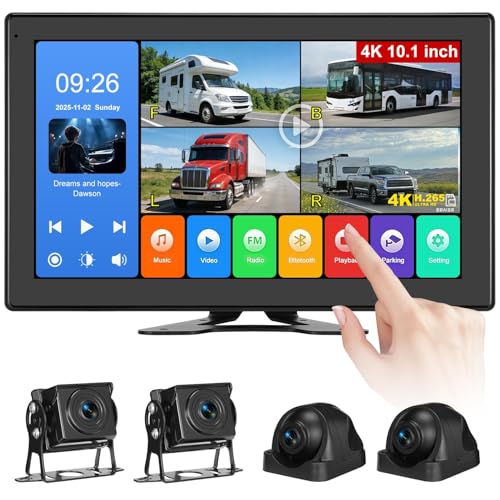
Best for: users who want a comprehensive, all-in-one backup system with a large touchscreen and multiple camera views. The 10.1-inch monitor supports 4-channel display, loop recording, and built-in audio features for hands-free communication, aiding docking in tight slips or busy marinas. Choose this if you need DVR capabilities and easy multi-camera management. Limitation: higher price point and installation complexity compared to single-camera units.
Garmin GC 245 Surface Mount Marine Camera

Best for: boaters seeking high-quality visuals integrated with Garmin networks. This camera offers 080P output and supports multiple viewing modes (fisheye, standard, birdseye) for flexible docking perspectives. It’s selected for its compatibility with Garmin’s marine ecosystem. Caution: ensure chartplotters support 1080p or the specified Garmin views for full benefit.
GC 245 SURFACE-MOUNT MARINE CAMERA

Best for: users who want standard and reverse image options with flexible mounting. This model supports ball-up or ball-down mounting and 1080p output on select chartplotters. Choose this if you want straightforward installation with reliable rear-visibility in docking maneuvers. Limitation: may require compatible chartplotters to realize full 1080p benefits.
Fookoo Ⅱ HD Wired Backup System

Best for: larger vehicles and fleets needing dual-view display and recording. The 10-inch split-screen monitor shows two cameras at once with parking lines and waterproof cameras for front and rear views. It’s selected for enhanced situational awareness when docking trailers, RVs, or trucks. Caution: included features emphasize parking safety; ensure your vehicle size matches the system’s coverage for optimal results.
Buying Guide: Key Purchase Considerations
- Display size and clarity: Larger screens help with precise docking; look for 8–10 inch monitors with high-resolution outputs.
- Camera placement: Above-deck, below-deck, or rear-mounted cameras each serve different docking angles. Consider environments with poor lighting or glare.
- Connectivity: Analog vs. digital, DVR capability, and integration with existing navigation or chartplotters affect usability and future-proofing.
- Weather and durability: IP ratings (IP67/IP69) and rugged housings are important for marine exposure and temperature ranges.
- Power and installation: Some systems require more complex wiring and power sources; plan for space, mounting, and electrical access.
- Viewing modes: Fisheye, standard, and birdseye views provide varied perspectives; multi-camera setups help with blind spots.
- Audio features: Built-in speakers or microphones can aid communication near the dock; check for audio quality and interference resistance.
Frequently Asked Questions
- What is the best camera setup for docking a small boat? – A compact camera placed to cover the stern or transom area with a clear display, ideally integrated with other cockpit displays for quick reference.
- Do I need a DVR for docking cameras? – DVRs provide recording and playback, useful for security and incident review, but are optional for basic docking visibility.
- Can 1080p be used on all chartplotters? – Not all chartplotters support 1080p camera output; verify compatibility before purchase.
- Is wireless camera connectivity reliable on a boat? – Wireless can work well, but metal hulls and water can interfere; consider wired connections for critical docking views.
- How many cameras should I install for docking? – Two to four cameras cover multiple angles (stern, sides, engine area); more cameras improve blind-spot awareness.
- What maintenance is needed for marine cameras? – Regular cleaning of lenses, checking seals, and ensuring cables are intact; inspect for corrosion or moisture ingress.
Choosing the right boat camera system depends on your docking environment, boat size, and how much you value multi-angle coverage. The selections above balance visibility, reliability, and ease of use to help you dock with greater assurance in varying conditions.