Best Fresh Water System for Boats: Top Solutions for Clean Tasting Water
Answering the common buyer question, these products help keep boat drinking water clean, odor-free, and tasting fresh after storage or long trips. The best picks are suited for boat owners who want simple, reliable maintenance of their freshwater system, from tanks to lines. This guide highlights five options, explains who they’re best for, and notes practical limitations to consider before purchase.
Summary Table Of Selected Products
| Product | Brand | Best For | Key Benefit |
|---|---|---|---|
| Aqua Water Tank & System Flush | STAR BRITE | Fresh-water tanks after storage | Deep cleaning and deodorizing |
| Aqua Water Treatment & Freshener | STAR BRITE | Maintaining fresh-tasting water | Prevents foul tastes and odors |
| Aqua Water Treatment & Freshener | STAR BRITE | Regular water system maintenance | Maintains drinking water quality |
| Aqua Water Shock | STAR BRITE | After storage freshening | Removes odors and tastes |
| TastePURE Drinking Water Freshener | Camco | Eliminating odors and tastes | Efficient, easy-to-use formula |
Aqua Water Tank & System Flush

Brand: STAR BRITE
- Deep cleans and deodorizes fresh water tanks in boats and RVs.
- Ideal for cleaning the entire fresh water drinking system after long storage.
- Removes scale and sediment that can lead to foul taste and odor.
Best for: Boat owners who store water systems or prepare for a new sailing season. This flush is a comprehensive starting step to remove long-term buildup before refilling with fresh water.
Limitation: It focuses on cleaning and deodorizing; follow with a treatment to maintain ongoing water quality.
Aqua Water Treatment & Freshener

Brand: STAR BRITE
- Maintains drinking water quality in boats and RVs.
- Prevents foul tasting or smelling water for a refreshing experience.
- Versatile usage for bathing, drinking water, and ice.
Best for: Users who want a regular maintenance product to keep potable water tasting clean across trips and storage periods.
Limitation: Designed for ongoing treatment; not a sole solution for heavy contamination or tank cleaning.
Aqua Water Treatment & Freshener (Alternate)

Brand: STAR BRITE
- Maintains drinking water quality in boats and RVs.
- Helps reduce foul tastes or odors in potable water.
- Designed for frequent use to preserve freshness.
Best for: Boat owners who want a flexible product to keep water tasting fresh between fills and seasons.
Limitation: May require pairing with sanitizing steps for tanks with extended dormancy.
Aqua Water Shock

Brand: STAR BRITE
- Ideal after seasonal storage to refresh water tanks.
- Removes chlorine, sulfur, plastic or metal odors and tastes.
- Provides a long-lasting effect in extreme temperatures.
Best for: Systems coming out of storage or exposed to harsh seasonal conditions where odor and taste persist after initial refill.
Limitation: Not a primary sanitizer; intended for quick odor/taste refresh between deeper cleanings.
TastePURE Drinking Water Freshener

Brand: Camco
- Prevents algae and slime buildup in drinking water tanks.
- Odor and taste removal for crisp water.
- Efficient formula: 1 ounce treats 20 gallons.
Best for: RV owners seeking an easy, economical way to maintain water quality between refills.
Limitation: Requires proper dosing to avoid over-treatment; follow product directions carefully.
Aquamarine Water Solutions – Shock
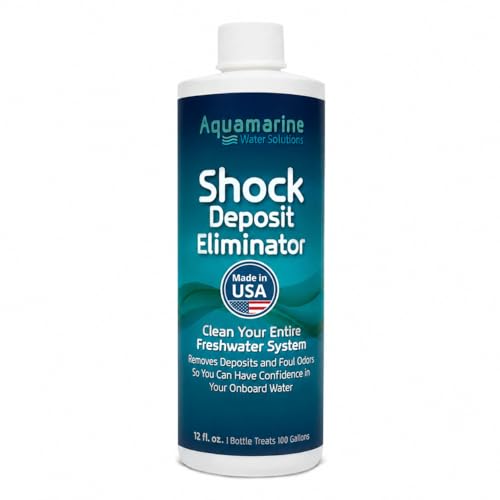
Brand: Aquamarine Water Solutions
- Deep cleans and deodorizes large tanks, cisterns, and plumbing systems.
- Ideal after seasonal storage or when tanks feel stale.
- Suitable for boats, RVs, and household systems; not for pools or wells.
Best for: Boats and RVs needing a robust deep-clean before season use or after long storage.
Limitation: Not approved for all water systems without verifying compatibility with tank materials.
Buying Guide: Key Considerations For Fresh Water Systems On Boats
When choosing products to maintain boat drinking water, consider tank size, storage duration, and the type of contamination you face. Use a two-step approach: a deep cleaner or shock to reset storage periods, followed by regular fresheners or treatments to sustain taste and odor.
What should I use first: cleaner or freshener?
Start with a deep-cleaning product to remove buildup and odors. Follow with a maintenance product to keep water tasting clean between fills.
How often should I treat my system?
For active boat use, consider monthly maintenance with a freshener. After storage, perform a deep clean, then use regular treatments to maintain water quality.
Is a filtration replacement necessary?
Often yes, especially if your water supply has noticeable taste or odor. Choose a filtration replacement that targets taste, odor, and sediment.
What about safety and compatibility?
Follow product directions and verify compatibility with your tank materials and plumbing. Some formulas are not suitable for certain plastics or metals.
How to apply and store?
Measure according to label guidance, circulate in the system, and flush as recommended. Store products in a cool, dry place away from children and pets.
Choosing by boat type and storage
Seasonal storage requires more thorough cleaning and deodorizing prior to use. Regular boat use benefits from a consistent maintenance routine with a freshener.
FAQs
- Q: Do I need both a cleaner and a freshener? A: Yes. Cleaners remove buildup and odors; fresheners maintain ongoing water quality.
- Q: Can these products be used in RVs as well? A: Many are suitable for boats and RV drinking systems; check label guidance for each product.
- Q: How long does treatment last once added? A: Duration varies by product; follow the manufacturer’s recommended intervals and re-treat as needed.
- Q: Are there safety concerns with mixing products? A: Do not mix different products unless explicitly directed by the label or manufacturer.
- Q: Should I sanitize before initial use after storage? A: If tanks were stored for extended periods, a deep clean plus deodorizing treatment is advisable before refilling.
- Q: What signs indicate a failing water system? A: Persistent tastes, odors, or unusual residues after treatment suggest deeper issues or tank material compatibility problems.