Best Stabilizer Fins for Outboard Motors: Top Stabilizers to Improve Stability and Handling
Looking for a stabilizer fin to improve planing, reduce cavitation, and smooth rough-water rides? This guide highlights five top options for 5-150 HP outboard motors and stern drives. The best pick depends on your engine size, mounting, and riding priorities—speed to plane, fuel efficiency, or smoothness in chop. The following selections are suitable for most common brands and configurations, with notes on best buyers for high-speed planing, longer watercraft stability, or simple installation.
| Product | ||
|---|---|---|
| QuickMarine Boat Hydrofoil Stabilizer | Riders wanting immediate lift and smoother handling up to 150 HP | Durable PA66, easy install, improves fuel economy and ride comfort |
| STINGRAY HYDROFOILS Classic Senior 2 | High-performance boats seeking quick planing and strong stability | High lift, low cavitation, no-drill design, wide horsepower range |
| Doel-Fin Hydrofoil Stabilizer (NorthBoat) | Owners wanting improved planing characteristics and stability | PA66, precise sizing, raises stern for quicker planing |
| UanofCn FO2003 Whale Tail Kit | Wider HP range and universal fit for many engines | Whale tail design, reduces front-end lift, smooths acceleration |
| SeaSierra Whale Tail Hydrofoil | Casual and recreational boaters seeking smoother rides | Improved handling, easier planing, broad HP compatibility |
QuickMarine Boat Hydrofoil Stabilizer
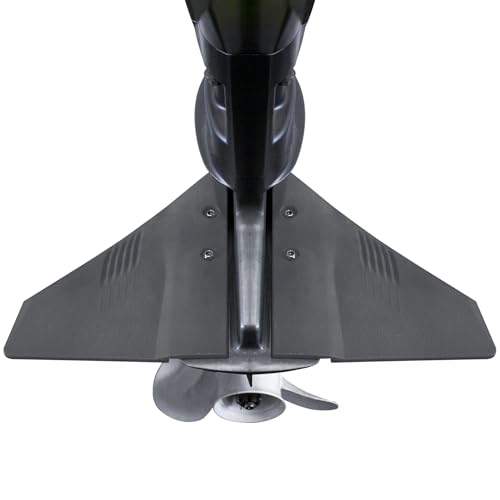
The QuickMarine hydrofoil is designed for outboards and stern drives up to 150 HP. It uses durable UV-resistant PA66 plastic and attaches easily to most engines. Best for boaters seeking smoother handling, potential fuel savings, and reduced cavitation. This option is suited for Yamaha, Mercury, Honda, Suzuki, and Tohatsu setups up to 150 HP. A potential limitation is compatibility with some non-standard mounting configurations; verify fit before installation.
STINGRAY HYDROFOILS Classic Senior 2

StingRay Classic Senior 2 hydrofoils target 40-300 HP engines and promise superior lift and stability with a no-drill installation. Best for performance-minded boaters who want quicker planing, reduced chine-walking, and better fuel efficiency. The one-piece design supports a wide range of outboard and outdrive motors. A caveat: some users may prefer color options beyond black, white, or grey.
Doel-Fin Hydrofoil Stabilizer (NorthBoat)

Doel-Fin stabilizers are designed for 5-150 HP outboards and sterndrives with a PA66 body. They are positioned to improve planing characteristics by raising the stern faster and enhancing stability. Best for boats that need quicker access to a stable plane and improved handling at acceleration. A limitation is that Volvo Penta outdrives are noted as potentially incompatible in some listings; confirm fit for your engine family.
Universal Whale Tail Hydrofoil Fin Kit (QNCKJZV)
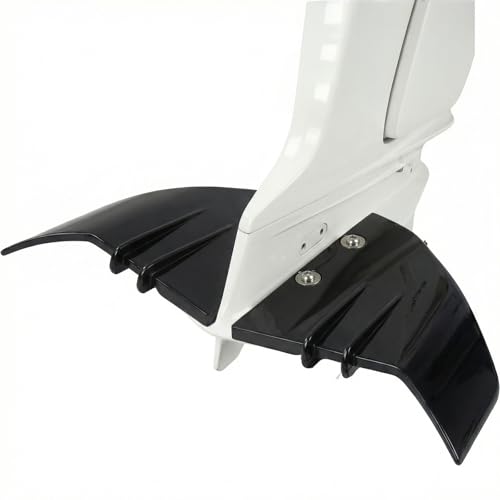
QNCKJZV’s Universal Whale Tail kit fits 5-150 HP motors to reduce front-end lift and improve stability. The compact 7.5″ x 7″ dimensions make it a practical choice for many hulls, with smoother rides over wakes. Best for boaters who want a simple, effective add-on without drilling. A note: always check the mounting compatibility with your specific drive configuration.
UanofCn FO2001 Hydrofoil Stabilizer (Dorsal Fin Style)

UANOCN FO2001 features a dorsal-fin-inspired design, sized to support 5-150 HP engines. The kit promises a new level of driving experience through improved stability and smoother planing. Best for boaters seeking a classic stabilizer look with robust performance. Limitation: verify exact fit for older or highly customized drive configurations.
SeaSierra Whale Tail Hydrofoil

SeaSierra’s whale-tail stabilizer aims to improve handling and thrust while reducing planing time. It supports a broad range of 8-40 HP outboard motors and sterndrives, with some fit limitations for Mercury four-stroke models. Best for small boats and lighter hulls needing quicker, smoother rides at lower speeds. Consider a fit check for high-horsepower setups.
Buying Guide
What to consider when choosing a stabilizer fin:
- Engine compatibility: Check HP range and whether your outboard or sterndrive is on the recommended list.
- Material and durability: PA66 plastic constructions offer UV resistance and strength; ensure it can withstand your water conditions.
- Installation ease: No-drill designs are faster to install but verify your mounting pattern and transom configuration.
- Performance goals: If you want quicker planing, look for higher lift fins. For smoother rides, seek fins designed to dampen wakes and chop.
- Impact on fuel economy: Some models report reduced fuel use due to improved efficiency, while others focus on handling improvements.
- Fit and clearance: Ensure the fin dimensions fit your hull, propeller, and motor installation without interfering with gearcase or trim.
Frequently Asked Questions
- Do stabilizer fins improve fuel efficiency? — Many models report smoother acceleration and reduced drag, which can contribute to fuel savings, but results vary by hull, motor, and conditions.
- Will these fins fit any outboard motor? — Most listed options target 5-150 HP engines; confirm compatibility with your specific model and mounting pattern.
- Can I install without drilling? — Several models offer no-drill designs; however, always follow the manufacturer’s mounting instructions for your drive.
- Do stabilizers affect steering effort? — They can make handling more stable, potentially reducing steering effort in chop or at speed, depending on design.
- Are there any downsides to using a hydrofoil stabilizer? — Some setups may experience slight performance changes or require a short adaptation period during initial use.
- How do I choose the best one for my boat? — Consider HP range, hull type, typical water conditions, and whether you prioritize quick planing or smoother rides.