Best 10-Foot Row Boat Options for Calm Water and Gentle Paddling
For buyers seeking a compact 10-foot row boat, the goal is stable handling, easy storage, and reliable performance on lakes, ponds, or calm rivers. The top picks below are well suited for weekend paddlers, fishing enthusiasts, families, and first-time rowers who want a manageable, budget-friendly craft. Each option highlights who benefits most, from traditional wooden-style boats to rugged inflatable dinghies.
| Product | Best For | Key Benefit |
|---|---|---|
| Old Modern Handicrafts Swansea | Classic, compact paddlers | Elegant, stable 10ft wood-and-composite design |
| BRIS 10ft Inflatable Boat | Family outings, calm waters | Heavy-duty PVC with multiple chambers |
| CO-Z 10 ft Inflatable Dinghy Boat (4 Adults) | Motorizable dinghy fans | Aluminum floor, strong construction, four-person capacity |
| HEYBOARD 10ft Inflatable Dinghy | Portable, light travel | Drop-stitch floor, reliable rigidity |
| Beyond Marina 10ft Inflatable Boat | Family use and fishing | Sturdy, roomy, compatible with short-shaft motors |
Old Modern Handicrafts Swansea — Small Composite Row Boat Canoe 10ft

The Swansea is designed for smooth paddling with a tapered bow that cuts through water efficiently. This 10-foot hull delivers improved speed and a gentle glide, making it suitable for beginners and casual paddlers who want minimal effort on flat water. Best for riders who value a classic aesthetic and predictable handling in calm lakes or ponds.
Who it’s best for: solo paddlers or couples who prefer a compact, visually appealing wooden-tinged boat with steady performance.
Why selected: Its double composite hull with a foam core offers buoyancy and stability, while teak seats provide comfortable seating. The three-layer protective coating helps resist environmental wear, extending its visual appeal and life span.
Caution: Because this is a smaller, traditionally styled craft, it may require careful balance and moderate paddling effort for longer trips or choppy conditions.
BRIS 10ft Inflatable Boat
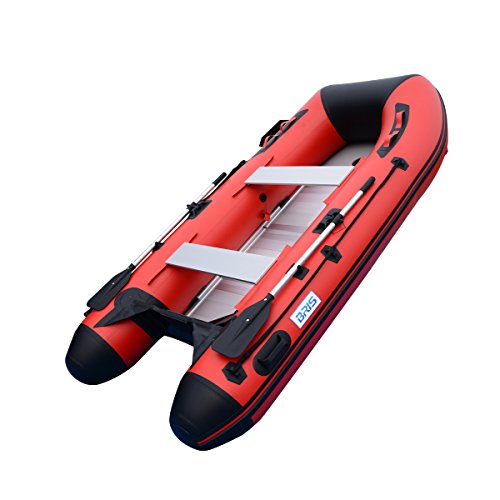
The BRIS 10-foot inflatable boat emphasizes premium materials and heavy-duty construction. With a 1,100 Dtex PVC fabric and HEAT WELDED seams, this craft is built to resist tearing and water exposure. It suits families and casual anglers who value durability on calm water and want reliable buoyancy through multiple chambers.
Who it’s best for: families and beginners who prioritize robust construction and easy maintenance in splashy yet moderate water environments.
Why selected: Its round-end tubes and durable marine plywood transom support stability and simple repairability, while multi-chamber design provides safer buoyancy in case of partial air loss.
Caution: Heavy-duty materials add weight, which can affect portability and initial setup time compared to lighter inflatables.
CO-Z 10 ft Inflatable Dinghy Boat with Aluminum Floor

This 10-foot CO-Z inflatable dinghy is built for four adults with a 990 lb capacity. It features a durable 1000 Denier PVC hull, reinforced seams, and an aluminum floorboard that adds stability for rowers and light outboard use. It’s well suited for lakes or coastal calm waters where a sturdy, motor-ready dinghy is desirable.
Who it’s best for: households needing a versatile, motor-capable dinghy that remains manageable in storage and transport.
Why selected: Strong hull construction, four-passenger capacity, and corrosion-resistant floor materials make it a practical choice for casual explorers and a reliable platform for light motors.
Caution: Although designed for stability, it’s inflatable, so care is needed to avoid punctures and rough handling on rocky shores.
CO-Z 10 ft Inflatable Dinghy Boats with Aluminum Floor

This CO-Z model emphasizes wear resistance with 1000 Denier PVC fabric and a tested hull designed for 50,000 wear cycles. It offers ample space for four riders and an aluminum floor to improve stiffness and rowing comfort. The reinforced transom makes it suitable for small motors and versatile water activities on calm seas and lakes.
Who it’s best for: buyers seeking a rugged, motor-ready inflatable dinghy with dependable floor rigidity for a mixed-use watercraft.
Why selected: The design blends heavy-duty materials with a robust floor and a roomy interior, balancing portability with practical on-water performance.
Caution: Its long-term performance depends on maintaining appropriate air pressures in all chambers and checking for seam integrity after use.
HEYBOARD 10ft Inflatable Dinghy Boat
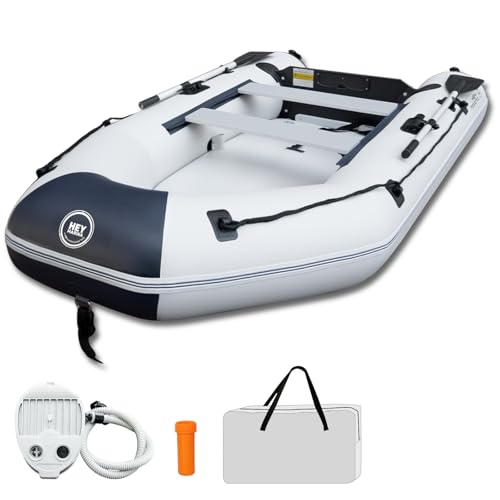
The HEYBOARD 10-foot inflatable dinghy features a lightweight yet rigid drop-stitch floor, inflating to a high pressure for stability in water sports or fishing. The 1100 denier reinforced PVC raises puncture resistance and provides UV protection, while a V-keel design helps track and steering on calm waters.
Who it’s best for: paddlers who want a portable, compact craft that performs well in lakes and slow rivers and can be easily carried or stored when not in use.
Why selected: The drop-stitch floor offers rigidity close to rigid-hull boats without the weight, making it a practical choice for travelers and occasional rowers.
Caution: A higher-pressure floor requires careful inflation and monitoring to avoid over-stressing seams or valves.
Beyond Marina 10ft Inflatable Boat
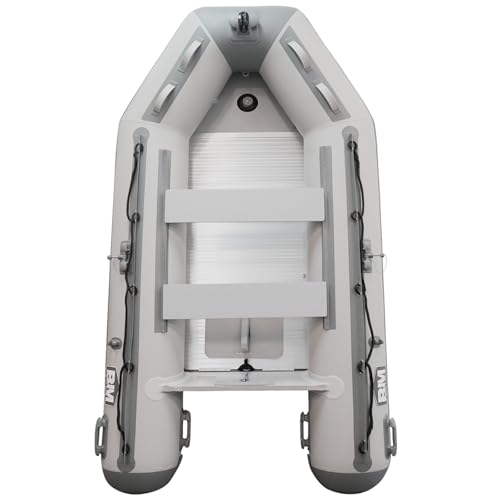
The Beyond Marina inflatable boat offers a roomy 10×5 ft platform with a 1105-lb capacity and an adaptable transom height for short-shaft outboard motors. It’s designed for families and fishing trips where extra space and stability are valued in calm water environments.
Who it’s best for: families and anglers seeking a larger, stable inflatable dinghy that can handle light motors and varied water activities.
Why selected: Its spacious interior, durable construction, and motor-ready transom support broad recreational use while maintaining portability.
Caution: The size and weight may reduce portability compared to smaller inflatables, and storage space should be considered in limited areas.
Buying Guide: What to Consider Before Buying a 10-Foot Row Boat
- Intended water type: Calm lakes and ponds favor stable, easier-to-row designs; choppier rivers may require more buoyant, rugged inflatables or boats with better tracking.
- Material and durability: Wooden or composite hulls offer classic aesthetics and stability; inflatable PVC boats excel in portability and price but need puncture resistance and regular upkeep.
- Seating and comfort: Teak or cushioned seating benefits longer trips; consider width and seat height for stability and ease of getting in and out.
- Mobility and storage: Inflatable boats compress for storage, while wooden or rigid hulls take more space. Consider transport methods and garage space.
- Motor compatibility: Some inflatables feature transoms for small motors; verify motor weight limits and shaft length compatibility if motorizing is desired.
- Safety features: Multiple air chambers, proper valuations, and HIN/MCO documentation (where applicable) support safer use and compliance in certain regions.
- Maintenance: Seams, floor materials, and coatings affect longevity. Plan for cleaning, drying, and storage to prevent mold or wear.
Frequently Asked Questions
- What is the typical use case for a 10-foot row boat?
– Best for calm water, short trips, and easy handling for beginners or small crews. - Are inflatable 10-foot boats motor-ready?
– Some models include transoms or configurations for small outboard motors; check weight and horsepower limits. - Which materials last longer, wood or PVC inflatables?
– Wood has classic durability with proper finish, while PVC inflatables offer lighter weight and easier storage but require puncture prevention and maintenance. - Is a 10-foot boat suitable for family use?
– Yes, many models in this size range are designed to seat up to four people depending on weight capacity. - What maintenance should I perform after each trip?
– Rinse with fresh water, dry thoroughly, check air pressures (for inflatables), and inspect seams and valves for wear. - Do these boats require special certifications?
– Some models mention HIN/MCO or local registration requirements; verify with local boating authorities where you plan to use the craft.