Best Ballast Pumps for Boats: Top Picks for Reliable Water Management
When selecting ballast pumps for a boat, you want efficiency, reliability, and ease of maintenance. This guide highlights five solid options that cover popular needs—from wakeboarding setups to livewell and bilge ballast tasks. Ideal buyers include boaters who want quick fill times, reversible operation, and easy plumbing compatibility. Below is a quick summary of the best picks, with a concise comparison to help you decide at a glance.
Buying overview table
| Product | Best For | Key Benefit | Notes |
|---|---|---|---|
| Jabsco 18220-1127 | High-flow ballast filling | 9 GPM flow; reversible | Great for quick tank fills |
| SHURFLO PIRANHA 800 | Durable ballast pumping | 800 GPH; heavy-duty | Removable motor cartridge |
| SEAFLO SFSP1-080-003-02 | Versatile, dual tasks | 8 GPM; reversible; self-primes | 4 ft prime capability |
| SHURFLO 94-620-00 | Repair/rebuild needs | Pirates gear for livewell/airers | Repair kit; maintenance-friendly |
| Attwood Tsunami Mk2 800 | Aeration and ballast | 800 GPH; flexible outlets | Direct replacement options |
Jabsco 18220-1127 Marine Wakeboard / Ballast Pump

Best for: Quick ballast filling in wakeboard setups. This pump delivers up to 9 gallons per minute and supports both fill and empty functions, making it ideal when you need rapid ballast changes between runs. The 80 lbs per minute flow rate helps reduce cycle times in typical 40-gallon ballast tanks. This unit is noted for its reversibility, allowing straightforward transfer between ballast modes.
Why it’s selected: The high flow rate and reversible operation enable faster setup and teardown, which is valuable for performance boats and frequent ballast adjustments. The simple two-way functionality reduces plumbing complexity in compact compartments.
Caution: Installation should ensure proper sealing and venting to prevent air locks during rapid transitions between fill and drain.
SHURFLO 94-620-00 Pump Repair Kit

Best for: Maintenance-focused buyers who want to keep a livewell or ballast pump running with minimal downtime. This repair kit is designed for Piranha livewell/airer pumps and supports 800/1100 GPH units at 12V, with compact packaging for easy storage aboard.
Why it’s selected: Regular maintenance can extend pump life in marine environments. The kit provides a practical route to restore performance without purchasing a new pump.
Caution: The kit’s compatibility is tied to specific SHURFLO models; verify exact model numbers before purchase to ensure a proper fit.
FATSAC Supa Tsunami Pump

Best for: Boaters seeking a compact, high-output ballast option with a strong reputation. The Supa Tsunami Pump from Fly High is designed for robust operation in crowded bilge spaces and supports rapid ballast movement.
Why it’s selected: It provides a balance of capability and compact form, making it suitable for smaller vessels or boats with tight engine rooms. The product line is known for reliability in demanding marine conditions.
Caution: The listing uses a general description; confirm exact GPM and installation details with the retailer to ensure it fits your tank size and plumbing layout.
Johnson Pump Rogue Ballast Pump
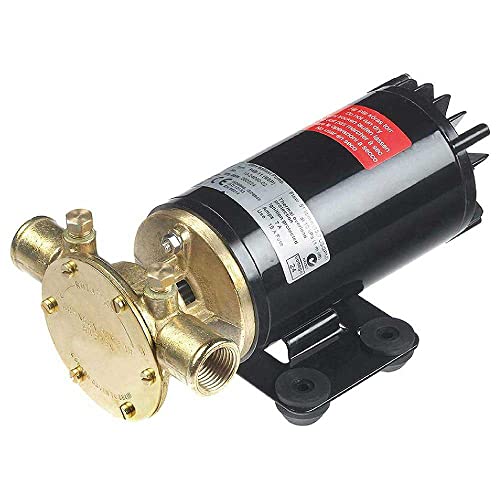
Best for: Boats needing a proven, 12V ballast pump with a compact footprint and a self-priming capability. The Rogue model emphasizes practical performance for wakeboard ballast and other ballast tasks.
Why it’s selected: Its 12V operation and simple design make it an easy upgrade or replacement for many existing ballast installations. It’s a straightforward choice for reliability in marine environments.
Caution: Check the motor’s sealing and wiring access to ensure compatibility with your boat’s wiring harness and mounting space.
SEAFLO Marine 12V Reversible 8.0 GPM Pump

Best for: Versatility across ballast filling, bilge draining, and other marine tasks due to its reversible operation. This unit is suitable for boats needing a reliable all-around pump with decent flow and self-priming capability.
Why it’s selected: The model highlights adjustable flow and robust construction, with a self-priming feature up to 4 feet, which accommodates various installation angles and mounting configurations.
Caution: While self-priming, ensure the intake is kept clean of debris and that the outlet path remains free of kinks or blockages to maintain prime quality.
SHURFLO PIRANHA Ballast 800 Pump

Best for: Boaters needing reliable ballast pump performance with a proprietary anti-airlock feature and easy maintenance. The PIRANHA series is designed to handle air pockets that can stall other pumps.
Why it’s selected: The anti-airlock system helps maintain steady flow in challenging loading conditions, and the removable motor cartridge simplifies cleaning and service.
Caution: This model uses a durable design that may require periodic checks for motor cleanliness and seal integrity in marine environments.
Buying Guide: Ballast Pump Essentials
- Purpose and flow rate: Determine whether you need rapid ballast filling (high GPM) or steady, controlled transfers. Match GPM to your ballast tank size to avoid overloading hoses or underfilling.
- Reversibility: If you plan to both fill and drain ballast, choose a reversible pump or a pump pair with a simple switching mechanism to minimize plumbing complexity.
- Voltage and power: Most marine ballast pumps run on 12V DC. Verify the boat’s electrical capacity and fuse sizing to support the pump’s current draw without compromising other systems.
- Priming and reliability: Self-priming capability helps with flexible mounting. Look for pumps with anti-airlock features or easy maintenance access for long-term reliability.
- Durability and materials: Saltwater environments require corrosion-resistant housings and gears. Nylon housings with water-cooled motors are common for demanding applications.
- Install footprint: Check dimensions and mounting patterns to ensure compatibility with existing ballast tanks, livewells, or bilge compartments.
- Maintenance: Consider pumps with removable motor cartridges or straightforward repair kits to minimize downtime during field maintenance.
FAQ
- What is ballast pump flow rate and why does it matter? It determines how quickly ballast fills or empties; higher GPM means faster cycle times but may require larger hoses and more power.
- Should I choose a reversible or a non-reversible pump? Reversible pumps save space and plumbing by handling both filling and draining; non-reversible options are simpler but require separate plumbing or valves for opposite tasks.
- Is self-priming essential for marine ballast pumps? Self-priming helps in installations where the pump is above the waterline or the intake is at a lower height, improving reliability in rough conditions.
- What maintenance is typical for ballast pumps? Regular checks for leaks, cleaning of intake screens, inspection of impellers, and confirming electrical connections are secure are common practices.
- Can I mix brands for ballast components? Mixing is possible but ensure compatible fittings, voltages, and flow requirements to prevent inefficiency or failures.
- How do I select the right pump for a 40-gallon ballast tank? Choose a pump with a higher GPM than your target fill rate and consider a model with a reliable dry-running protection if used near dry conditions.