Best Boat Radar Systems for Safer Navigation on the Water
Finding the right radar for a boat helps you detect targets, monitor weather, and plan safer routes. This guide compares top options for different needs—whether you value long-range detection, compact installations, or advanced target tracking. Best for small to mid-sized vessels, captains who want quick readiness, and mariners who prioritize clear target distinction in fog or rain. The profiles below highlight who each model is best for and why it was chosen, plus practical cautions.
| Product | Best For | Why It Stands Out |
|---|---|---|
| Lowrance Halo 20+ Radar | All-around performance for mid-size boats | Compact 25W Pulse Compression with 2 NM range and 60 RPM sweep |
| Garmin GMR Fantom 54-4 Open Array Radar | Advanced target tracking in challenging conditions | Color-target detection, MotionScope, 50W power |
| B&G Halo 20 Radar | Small vessels needing quick readiness | 20-inch dome, fast wake-to-standby instant on |
| Si-Tex T-760 Compact Color Radar | Budget-friendly compact color radar | 8- or 4kW class performance in a compact form |
| Raymarine Quantum 2 with Doppler | High-contrast Doppler detection | Doppler radar for moving targets and wind-free clutter |
Lowrance Halo 20+ Radar

Features include 25W Pulse Compression, a full 360-degree sweep every second, and VelocityTrack Doppler Technology built-in. Best for boaters who want sharp target definition with manageable size and straightforward integration. It excels for mid-size boats where reliable short-to-mid-range performance matters most. Caution: ensure your vessel has compatible mounting and cabling before purchase.
SI-TEX T-760 Compact Color Radar

Best for budget-conscious buyers wanting a color radar in a compact package. The T-760 offers color imaging in a smaller dome format, making it a practical option for smaller boats or as a secondary radar display. Limitation: detailed specs on power and processing aren’t as expansive as premium models, so expect solid basic performance rather than top-tier range and clutter control.
Garmin GMR Fantom 54-4 Open Array Radar
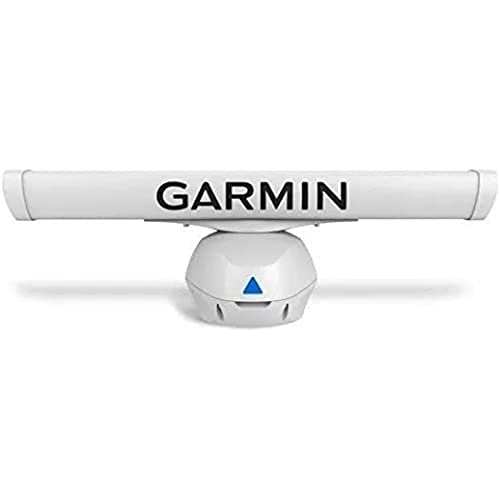
Best for mariners who want robust long-range and near-range detection with high-contrast imagery. This open-array radar provides color-targeting and MotionScope for targets moving toward or away, plus substantial power. Choose this if you operate in fog or heavy precipitation and need reliable tracking. Caution: higher cost and installation complexity compared to fixed-dome options.
B&G Halo 20 Radar

Best for quick readiness on compact domes. The 20-inch dome uses pulse compression for precise target definition with minimal clutter and offers rapid wake-to-standby performance. This makes it ideal for smaller yachts and sailboats where space and speed-to-alert matter. Limitation: range performance is strong but may be less optimal in extremely cluttered harbor environments compared to larger domes.
Raymarine Quantum 2 with Doppler

Best for Doppler-enabled detection of moving targets and wind-free clutter. The Quantum 2 uses Doppler processing to highlight targets in motion, helping distinguish threats in busy seas or rain. Optimal for captains who rely on dynamic target information for collision avoidance. Caution: Doppler features require compatible display and system integration to maximize benefits.
Buying Guide: Key Considerations For Your Boat Radar
- Dish size and coverage: Larger domes (like 24-inch) offer longer-range detection and better clutter suppression; smaller domes save space but may have reduced range.
- Power and performance: Open-array radars deliver higher power and better long-range tracking; compact domes focus on shorter ranges and ease of installation.
- Technology features: Pulse compression, Doppler, and MotionScope-like tracking improve target discrimination and movement detection in fog or rain.
- Integration: Check compatibility with your existing GPS/chart plotter, as well as installation requirements for power, cabling, and mounting.
- Ease of use: Quick-on readiness, intuitive menus, and clear target highlighting help reduce operator workload during operations.
- Maintenance: Weatherproofing, UV resistance, and ease of service are important for marine environments.
- Budget versus needs: Balance upfront cost with long-term benefits like improved safety, target clarity, and reliability in variable sea conditions.
FAQ
- What radar range do I need for a small boat?
For small boats, a dome around 20 inches with up to 24 nautical miles of range is common, offering sufficient short- to mid-range detection for harboring and coastal navigation.
- Is a Doppler radar better for moving targets?
Yes. Doppler processing highlights moving targets, helping distinguish boats from waves or clutter, especially in busy traffic or rough seas.
- Should I prioritize quick standby readiness?
Yes. Quick-on/standby instant-on features reduce downtime and ensure you have radar available when needed, especially in changing conditions.
- Do I need an open-array radar for a small vessel?
Not necessarily. Open-array radars offer high power and long-range capabilities, but compact domes can be adequate for smaller boats with simpler needs.
- Can radar improve safety in fog and rain?
Yes. Radar enhances visibility by detecting other vessels, weather patterns, and landforms, reducing collision risk in low-visibility conditions.