Best Sailboat Wind Speed and Direction Instruments for Accurate Readings
When choosing sailboat wind speed and direction instruments, accuracy, durability, and visibility are paramount for cruising and racing alike. This guide highlights five top options and explains who each is best for. Whether you sail small daysailers or larger cruising yachts, you’ll find practical choices that balance reliability and ease of use. Below is a quick summary of the featured products to compare at a glance.
| Product | Best For | Why It Stands Out |
|---|---|---|
| Windex 15 MK2 | Smaller sailboats (15-40 ft) | Bird spike, complete package, proven accuracy |
| Davis Instruments 3150 WindTrak 15 | Budget-conscious sailors | Simple design with reliable wind tracking for small boats |
| Sailboat Instrument Kit – Wind Speed with gWind Transducer (Part Synergy) | Mounted systems needing gWind data | Surface mount, efficient propeller design |
| Five Oceans FO2080 Wind Direction Indicator | Visibility-focused cruising | Night/day visibility with reflector tape |
| Windex XL | Larger boats (40+ ft) | Comprehensive package, easy visibility |
Windex 15 MK2 Birdspike Included
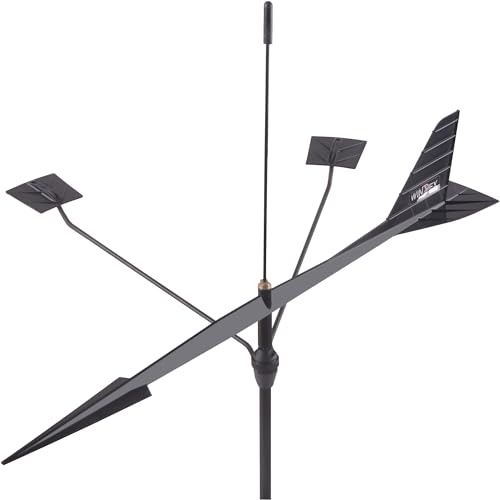
The Windex 15 MK2 is designed for sailboats sized 15 to 40 feet. It includes the sailboat wind vane unit, supporting rod, index arms, mast socket, and a bird spike to deter birds from landing on the mast. This makes it a practical choice for coastal cruisers and weekend sailors who value a complete, ready-to-install package. Best for skippers who want a straightforward, reliable wind indicator with added bird deterrence on smaller rigs. Caution: Mounting and alignment must be correct to ensure accurate readings in variable wind conditions.
Davis Instruments 3150 WindTrak 15

WindTrak 15 from Davis Instruments offers a straightforward wind-tracking solution suitable for small boats. It is best for sailors seeking a lightweight, economical indicator with dependable performance for basic navigation needs. The data is intuitive and quick to interpret, which helps in planning tacks and sail trim. Limitation: The listed product details do not specify advanced digital displays or integrated data logging, so it is best used where simple wind direction reading suffices.
Sailboat Instrument Kit – Wind Speed with gWind Transducer

This Part Synergy kit focuses on wind speed with a gWind transducer and surface-mount installation. It suits boats needing accurate wind data without a bulky display, relying on external displays or integration with onboard systems. Best for vessels where a compact, mounted sensor is preferred and when users plan to expand to a more comprehensive onboard instrument network. Caution: Requires separate display to view wind data in real time.
Five Oceans FO2080 Wind Direction Indicator
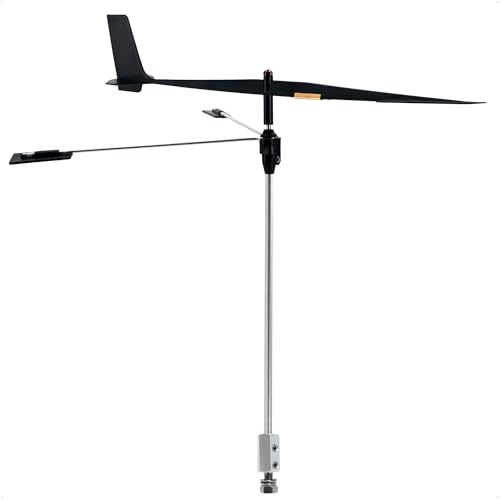
The FO2080 wind vane features a 14-1/2 inch vane and a ballistic-bearing design for sensitive operation. It stands tall at 13 inches and includes a through-bolt mounting socket with stainless hardware. It is well suited for cruisers who want reliable wind direction cues with good visibility day or night. Limitation: Mounting hardware compatibility depends on boat deck layout and may require reinforcement for certain mast configurations.
Windex XL Wind Direction Indicator

The Windex XL is a larger-capacity wind indicator designed for boats on the 40+ foot range. It includes a complete package: wind vane, supporting rod, index arms, and mast socket. It features easy visibility through reflector tape and tacking tabs and is marketed toward cruisers and racers who require dependable wind direction data for larger rigs. Caution: The XL model is bulkier; ensure there is adequate deck space for installation and clear line-of-sight for readings.
Buying Guide
What should you consider when selecting wind speed and direction instruments for a sailboat?
- Boat size and mounting space: Larger boats may benefit from XL or longer vanes; smaller boats fit compact units like the 15 MK2.
- Display and data needs: Do you want a simple vane only, or an integrated system with gWind transducers and digital readouts?
- Visibility: Reflector tape and tacking tabs improve readability in bright sun and at night; consider models with high-contrast markings.
- Durability: Look for marine-grade materials, saltwater resistance, and bird deterrence if located on an exposed mast.
- Ease of installation: Surface-mount versus mast-mounted units; verify mounting hardware compatibility with your deck and mast.
- Future expandability: If you plan to upgrade to a full instrument network, choose a kit that integrates with common displays and data protocols.
Frequently Asked Questions
- What is the difference between wind speed and wind direction indicators?
– Wind direction indicators show the wind’s coming from direction; wind speed indicators measure how fast the wind is moving over the water, often used together for full wind profiling. - Do wind indicators require power?
– Most traditional wind vanes are passive and do not require power, while some digital or transducer-based systems may need a power source or data display. - Can I install a wind speed indicator on a small sailboat?
– Yes, compact options like the 15 MK2 are designed for boats in the 15–40 ft range and provide reliable readings with minimal complexity. - Are bird deterrence features important for wind indicators?
– On exposed masts, features like bird spikes can help ensure the vane remains unobstructed and readable during long periods of sailing.