Best Boat Trailer Hitch Receiver Options for Safe Towing and Easy Hookups
Looking for a reliable boat trailer hitch receiver that fits your tongue width and handles your load? This guide highlights top options ideal for American boaters and utility haulers, with clear comparisons to help you pick the right coupler. Each pick is evaluated for common towing needs, from small bow-riders to mid-size trailers, so you can match strength, fit, and install ease to your setup.
| Product | Capacity | Best For |
|---|---|---|
| NBJINGYI Straight Trailer Coupler | 3,500 lbs GTW | 2″ ball and 2″ channel Tongue; mid-sized trailers |
| CURT 25100 Straight Tongue Coupler | 5,000 lbs | 3″ channel tongues; standard 2″ ball |
| 5,000 lbs Class III Trailer Coupler | 5,000 lbs | 3″ channel tongues; larger boats and campers |
| AUTMATCH Trailer Hitch Lock | Security lock for receivers | Theft protection and anti-rattle for any receiver |
| CURT 25194 Posi-Lock Replacement Latch | Latch replacement | 2″ trailer balls with posi-lock systems |
NBJINGYI Straight Trailer Coupler for 2″ Ball

The NBJINGYI coupler is designed for a 2″ hitch ball and a 2″ wide straight trailer tongue. With a gross weight rating of 3,500 lbs, it targets mid-size boat trailers, sailboat trailers, and utility haulers that need a robust upgrade from smaller models. The quick-release latching system, including a spring-loaded lever, helps secure and release the hitch quickly during marina visits, fieldwork, or storage. Best for users who want a straightforward 2″ compatibility and reliable locking that reduces connection time.
Best for: boat trailers and equipment haulers using a 2″ ball and straight tongue. Better for buyers who prioritize simple, quick connections and heavier-duty support within a 3,500 lbs GTW range. Caution: confirm tongue width and ball size match before installation, as only 2″ configurations are listed.
CURT 25100 Straight Tongue Trailer Coupler
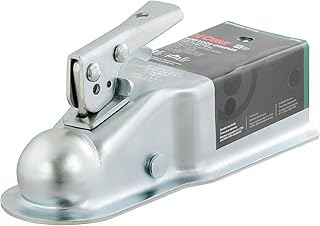
This CURT model is designed for a 3″ wide channel tongue and a standard 2″ hitch ball. It features an easily adjustable interior nut and posi-lock spring to ensure a snug fit on the ball, along with a secure latch that can accommodate a safety pin or coupler lock for added security. It’s best for trailers with wider tongues that still require a common 2″ ball, especially when precision fit is a priority. Limitation: alignment and fit rely on a correctly sized 3″ channel tongue and proper adjustment.
5,000 lbs Class III Trailer Coupler for 3″ Channel Tongue

This 5,000 lb rated class III coupler fits 3″ channel tongues and uses a 2″ ball for standard towing. Its zinc-plated steel construction offers durable corrosion resistance for frequent water exposure, making it well-suited for regular boat trailers and campers. Best for heavy loads and wider frames where 2″ couplers won’t suffice. Choose this if you need higher GTW and wider compatibility; drawback is the requirement for a 3″ channel tongue.
AUTMATCH Trailer Hitch Lock
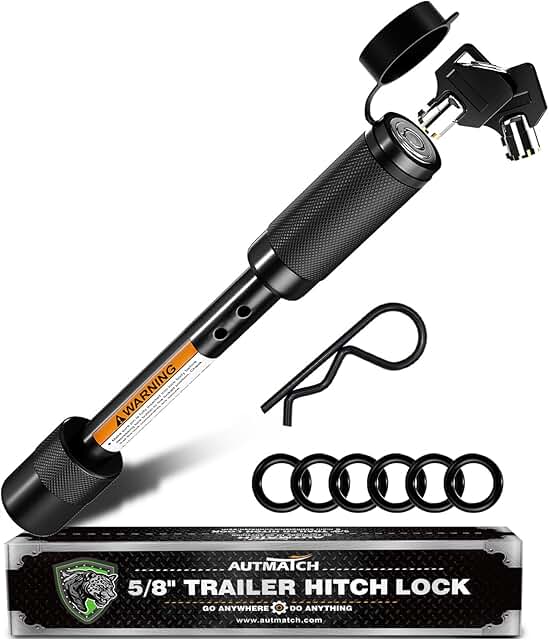
The AUTMATCH lock provides security for 2″ and 2-1/2″ receivers across Class III and IV hitches. It uses a 5/8″ diameter pin and a long 3-1/2″ span, with a push-to-lock anti-theft design. The lock core is built from zinc alloy, and a rubber cap protects the mechanism from dirt and grime. Best for safeguarding a parked trailer and deterring theft, particularly in shared storage areas. Limitation: listed load rating focuses on security rather than hitch capacity, so verify compatibility with your hitch class.
CURT 25194 Posi-Lock Replacement Latch

This replacement latch is designed for 2-inch CURT posi-lock couplers and supports 2″, 2-1/2″, or 3″ channel widths. It features a spring-loaded mechanism with a nut for easy adjustment, enabling secure retention on the hitch ball. Best for maintaining existing posi-lock setups and ensuring continued, secure operation of the latch. Limitation: replacement only; does not address separate tongue or ball compatibility.
Buying Guide
What should you consider when selecting a boat trailer hitch receiver?
- Tongue width and channel size: Ensure the coupler fits your trailer’s tongue, whether it’s 2″ or 3″ wide, and confirm compatibility with your chosen hitch ball size (commonly 2″).
- Gross trailer weight capacity: Match the GTW rating to your trailer’s loaded weight, including gear and passengers. Do not exceed the rated GTW of the coupler.
- Material and corrosion resistance: For frequent marine exposure, prioritize zinc or galvanized finishes to resist salt and moisture.
- Locking and security: Consider anti-theft options (Lock pins, Posilock latches, or locking couplers) for added protection when parked or stored.
- Installation ease: Look for adjustable or clearly labeled fitting features (posi-lock, adjustable nuts) to simplify alignment and secure attachment.
- Maintenance: Some latches require minimal upkeep, while others involve more frequent checks for wear and proper alignment.
- Environment and use case: Choose heavier-duty 3″ channel options for larger boats or frequent long-haul towing, and lighter 2″ configurations for small, casual use.
FAQ
- What is the difference between 2″ and 3″ channel tongue receivers?
Answer: A 3″ channel tongue requires different couplers and is designed for wider frames, while 2″ channels fit standard, smaller tongues. Always match tongue width and ball size. - Can I reuse an existing latch on a new coupler?
Answer: Reuse depends on compatibility with the newer latch design. Some latches are interchangeable within CURT posi-lock systems, but verify model compatibility first. - Is a higher GTW rating always better?
Answer: Not necessarily. A higher GTW rating is beneficial for heavier loads, but you must ensure the entire system (tongue, ball, frame) supports it and that installation fits your trailer. - What security features help deter trailer theft?
Answer: Locking pins, anti-theft latch designs, and protective caps reduce exposure to tampering and dirt ingress when the trailer is unattended. - How do I know if a coupler is properly adjusted?
Answer: A snug fit with a secure latch and minimal wobble around the hitch ball indicates proper adjustment. Always test before towing. - Should I replace only the latch or the entire coupler?
Answer: If the latch is worn or not securing properly, replacing the latch can restore function. For bent or severely corroded tongues, replace the entire coupler.