Best 4-Blade Aluminum Boat Propellers for Smooth Power and Faster Response
When selecting a four-blade aluminum boat propeller, the goal is to improve acceleration, improve handling, and maintain good efficiency across typical light-to-midweight boats. This guide highlights five top options suited for a range of Mercury and MerCruiser engines, small to mid-power outboards, and pontoon setups. The featured models are best for boaters seeking quicker hole-shot, stable mid-range speeds, and robust aluminum construction that tolerates minor impacts. The buyer profile includes casual anglers, family boats, and hobbyists who want reliable four-blade performance without stepping into harder-to-care-for stainless steel or high-cost aftermarket options.
Summary of chosen products:
- Quicksilver Nemesis 4-Blade Aluminum Propeller, 14″ dia x 19″ pitch, Right Hand
- SOLAS Amita 9.25″ x 8″ Pitch Standard Rotation 4 Blade Aluminum Boat Propeller
- Mercury Spitfire 4-Blade Aluminum Propeller, 12.8” Diameter x 17” Pitch, Right Hand Rotation
- Quicksilver Nemesis 4-Blade Aluminum Propeller, 14″ dia x 17″ pitch, Right Hand
- YOUNG PROPS 14 x 19 4-Blade Aluminum Propeller with Hub Kits Included
Quicksilver Nemesis 14″ X 19″ 4-Blade Propeller
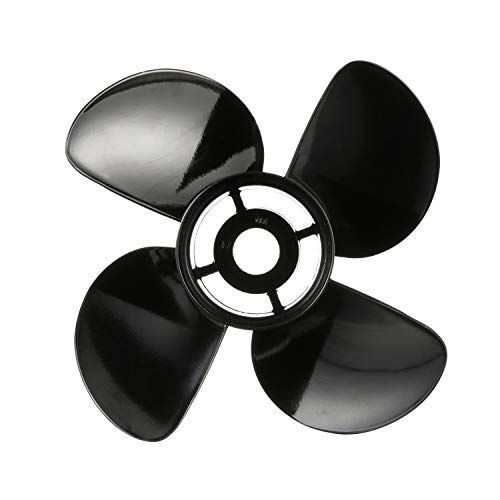
Best for mid-range Mercury/MerCruiser engines in the 90-115hp and 150-300hp ranges. The 14″ diameter with a 19″ pitch yields strong acceleration and solid top-end performance, while the aluminum construction keeps weight down and corrosion resistance adequate for freshwater and coastal use. The right-hand rotation is designed for typical stern-drive installations common on many boats.
boaters with Mercury/MerCruiser sterndrives in the 90-300hp range seeking quick hole-shot and reliable acceleration.
Why chosen: It balances acceleration with mid-range speed, and the black-anodized aluminum finish helps resist corrosion in everyday use.
Potential limitation: Not the best choice for very light boats seeking maximum top-end speed; may require hull-specific tuning for optimal trim.
SOLAS Amita 9.25″ X 8″ Pitch 4-Blade Propeller

The 9.25″ diameter with an 8″ pitch provides a compact, versatile option for smaller outboards or engines where fitment and balance are critical. Four blades help with load handling and stability, especially in moderate chop or when carrying a full load. This prop is a solid match for Mercury/Mariner setups that require a light, efficient upgrade over OEM three-blade configurations.
Who this is for: boaters with compact engines or boats prioritizing maneuverability and dependable acceleration.
Why chosen: The Amita design prioritizes reliability and smooth handling, making it a safer choice for smaller wakeboard or fishing boats.
Potential limitation: Smaller diameter and lower pitch may limit top-end speed on heavier hulls or high-power setups.
Mercury Spitfire 12.8” x 17” 4-Blade Propeller

Designed for Mercury and Mariner engines in the 40-60hp range (FourStroke BigFoot/Command Thrust) and 75-125hp two-stroke or four-stroke models (1978 and newer). The 12.8″ diameter and 17″ pitch yield strong hole-shot and improved acceleration. The patented Mercalloy aluminum alloy offers a balance of strength and ductility to handle minor impacts while maintaining performance.
Who this is for: owners of mid-power Mercury or Mariner outboards needing enhanced acceleration and handling.
Why chosen: It provides a robust, fuel-efficient upgrade with noticeable acceleration gains over three-blade options.
Potential limitation: Not ideal for very light boats where smaller prop choices may better match load and trim.
Mercury Spitfire Pontoon 13.8” x 13” 4-Blade
Specifically for pontoon boats powered by Mercury/Mariner four-stroke BigFoot and Command Thrust engines within 40-60hp, and 75-125hp two-stroke/four-stroke ranges. The 13.8″ diameter and 13″ pitch deliver stable handling and quicker acceleration on a pontoon profile, with the same Mercalloy aluminum alloy used for durability against routine impacts.
Who this is for: pontoon owners who want steadier handling and quicker response in moderate loads.
Why chosen: Pontoon setups benefit from a prop that improves acceleration without sacrificing control at rest or low speeds.
Potential limitation: The smaller pitch may limit top-end speed on heavier pontoons.
Quicksilver Nemesis 14″ X 17″ 4-Blade Propeller

This variant targets marine setups where 90-115hp Command Thrust and 150-300hp Mercury/MerCruiser engines are in play, with a 14″ diameter and 17″ pitch. The four blades improve acceleration and midrange power delivery. Aluminum construction with a black finish keeps weight down and resists corrosion in mixed-use environments.
Who this is for: boaters seeking a balanced 4-blade option for similar engine classes as the other Nemesis model.
Why chosen: It offers similar benefits to the 14×19 version but with a shorter pitch for tighter acceleration and better planing on boats with higher load-to-power ratios.
Potential limitation: Slightly less top-end speed potential than the 19″ pitch variant on open-water runs.
Buying Guide: Key Considerations for 4-Blade Aluminum Propellers
- Engine compatibility: Match diameter and pitch to your outboard or sterndrive’s horsepower range and gearcase. Aluminum props are common on many Mercury, MerCruiser, and Mariner setups but verify exact spline count and hub kit requirements.
- Pitch and load: Higher pitch improves top-end speed but can reduce acceleration. Four blades typically improve hole-shot and midrange torque at the expense of some top-end speed. Choose according to boat weight and typical load.
- Rotor material: Aluminum is affordable and lightweight, good for everyday use and moderate impacts. For frequent groundings or debris hazards, consider a more durable design or prudently sized hub.
- Rotation and handedness: Right-hand rotation is common for many installations. Confirm the prop’s rotation matches your engine’s drive shaft orientation to avoid performance or fitment issues.
- Intended use: Pontoon boats usually benefit from a prop with strong thrust at lower speeds; sportier boats may prefer a prop designed for quicker planing and acceleration. Consider typical water conditions and cargo.
Frequently Asked Questions
- What is the difference between a 14×19 and a 14×17 prop?
– The second number (pitch) indicates how far the prop would move forward in one rotation in an ideal fluid. A higher pitch (19) offers better top-end speed but slower acceleration; a lower pitch (17) improves acceleration and planing at the expense of maximum speed. - Are four-blade props always better than three-blade?
– Four-blade props typically provide better hole-shot and midrange thrust, especially under load, but might reduce peak RPM and top-end speed compared with three-blade designs in some hull configurations. - Can I use any brand four-blade prop on Mercury engines?
– Prop compatibility depends on diameter, pitch, spline count, and gearcase. Always verify engine-specific compatibility and hub kit requirements before purchase. - What should I consider for pontoon boats?
– Pontoon boats often benefit from higher thrust and improved stability at lower speeds. A prop with moderate pitch and multiple blades helps with planing and maneuverability under load. - Do aluminum props handle impacts well?
– Aluminum props are more forgiving than stainless steel and can absorb minor impacts, but they can still be damaged by hard hits or hitting debris, so use caution in rough water.