Best GPS Anchor Trolling Motors for Precise Boat Positioning
If you’re aiming to keep your boat steady in a favorite fishing spot, a GPS-enabled trolling motor with Spot-Lock or anchor features is essential. This guide focuses on top options for American anglers who want reliable position locking, easy deployment, and solid efficiency. The top picks cover freshwater and saltwater use, kayak-friendly models, and high-thrust systems for larger boats. Read on to compare features, best uses, and potential limitations to help you choose the right GPS anchor trolling motor.
Summary of chosen products:
- Minn Kota Terrova Bow-Mount with GPS – 55 Lb thrust, 54″ shaft, freshwater, best all-around for bass boats and mid-sized vessels.
- Minn Kota Riptide Terrova Bow-Mount with GPS – 80 Lb thrust, 60″ shaft, saltwater, best for high-wind or current environments.
- Minn Kota PowerDrive Bow-Mount with GPS – 55 Lb thrust, 54″ shaft, freshwater, best for easy deployment and long days on the water.
- Minn Kota PowerDrive with GPS and Dual Spectrum Chirp Sonar – 55 Lb thrust, 54″ shaft, freshwater, best for sonar-enhanced fishing.
- Garmin Force Kraken Trolling Motor – 75″ length, saltwater or freshwater versatility, strongest option for extended anchoring and integration with chartplotters.
Minn Kota Terrova Bow-Mow GPS Trolling Motor

Type: Bow-mount electric trolling motor with GPS and Spot-Lock. Thrust: 55 lb. Shaft: 54 inches. Freshwater use.
Best for: Anglers who want precise position control on mid-sized freshwater boats, with reliable auto-positioning and a hands-free control option via the wireless remote and LCD display.
Why selected: This Terrova model combines trusted GPS navigation with Spot-Lock and a range of modes—drift, follow, and dodge—plus one-touch deploy and stow for quick water entry. The fall-away ramp design supports easy water placement in various access points.
Caution: Freshwater use is specified; saltwater performance requires saltwater-rated variants to ensure longevity and corrosion protection.
Minn Kota Riptide Terrova Bow-Mount GPS

Type: Bow-mount electric trolling motor with GPS and Spot-Lock. Thrust: 80 lb. Shaft: 60 inches. Saltwater use.
Best for: Saltwater anglers needing extra thrust and longer shaft for deeper, choppier conditions or larger boats. The Riptide Terrova is designed to withstand harsher environments.
Why selected: It provides precise GPS control with Spot-Lock and Jog, plus a robust build for saltwater protection. The higher thrust helps maintain position in stronger currents and winds.
Caution: Higher thrust may increase motor draw; plan battery capacity accordingly for extended outings in tougher conditions.
Minn Kota PowerDrive Bow-Mount GPS

Type: Bow-mount electric trolling motor with GPS. Thrust: 55 lb. Shaft: 54 inches. Freshwater use.
Best for: Anglers seeking a balance of easy deployment and GPS anchor features in a freshwater setup, with dependable control and Spot-Lock capabilities.
Why selected: The Deploy-Assist Lever simplifies entering the water and stowing the motor. The combination of Spot-Lock and reliable navigation makes it a practical all-around choice for casual to serious anglers.
Limitation: Focused on freshwater use; saltwater exposure may require corrosion-resistant variants or additional protection.
Minn Kota PowerDrive GPS with Dual Spectrum Chirp Sonar

Type: Bow-mount electric trolling motor with GPS and Dual Spectrum Chirp Sonar. Thrust: 55 lb. Shaft: 54 inches. Freshwater use.
Best for: Anglers who want integrated sonar capability to visualize fish and structures while maintaining GPS anchor positioning.
Why selected: The built-in sonar improves fishing efficiency by revealing contours and targets, while Spot-Lock and drift/follow/dodge modes keep the boat stable at your mark. Deploy-Assist enhances water entry and stow.
Caution: Sonar performance is tied to transducer integration; ensure compatibility with your hull and boat setup for optimal results.
Garmin Force Kraken Trolling Motor
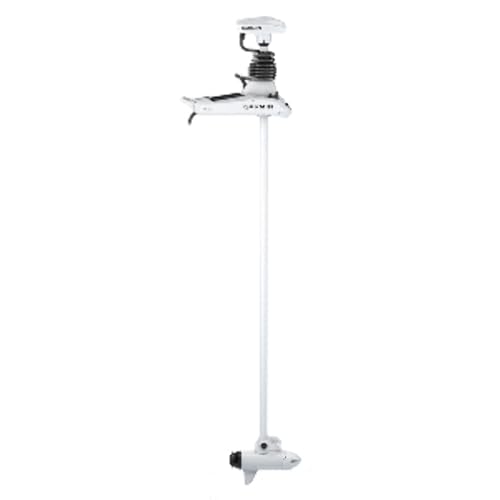
Type: Force trolling motor with high thrust option; 75 inches length model in Kraken family. No transducer included in this listing. Compatible with Garmin ecosystem.
Best for: Anglers seeking top-end efficiency with long shaft for extended reach, advanced navigation, and seamless integration with Garmin chartplotters for route-based trolling.
Why selected: The Kraken line offers substantial thrust and precise positioning via anchor lock and multi-band GPS. Wireless integration with Garmin chartplotters enables route-following and patterning for complex trolling strategies.
Limitation: This listing notes no transducer; plan for a separate transducer if you rely on sonar data from Garmin devices.
Buying Guide: GPS Anchor Trolling Motors
- What matters most: Choose based on boat size, water type (freshwater vs saltwater), and typical fishing conditions. Higher thrust is beneficial in windy or current-heavy waters, while longer shafts help in deeper channels.
- Spot-Lock vs Anchor Lock: Spot-Lock uses GPS to hold position automatically; consider how often you’ll need to reposition and how easily you can resume after a drift.
- Deployment and stow: Look for deploy-stow mechanisms like Deploy-Assist or Fall-Away ramps for quick water entry and secure storage.
- Power and battery: Match motor voltage (12V vs 24V) with your battery setup and boat size. Higher thrust motors typically require larger or multiple batteries.
- Sonar integration: If you rely on fish-finding sonar, consider models with integrated Dual Spectrum Chirp or compatible transducer options to avoid extra installation work.
- Saltwater readiness: For saltwater use, favor corrosion-protected housings and anodized or powder-coated components to resist rust.
- Installation considerations: Some models are more kayak-friendly or mid-size boat friendly; ensure shaft length and mounting compatibility with your transom or bow configuration.
Frequently Asked Questions
- What is GPS Spot-Lock and how does it help fishing?
It locks the boat’s position using GPS, helping you stay over a productive spot without manual steering. - Do I need a separate sonar transducer with a GPS trolling motor?
Some models include built-in sonar options; others require a separate transducer depending on the desired sonar features. - Which motor shaft length should I choose?
Taller shafts like 60 inches are better for deeper water or taller bow rails, while 54-inch shafts fit smaller boats or lower profiles. - Is saltwater-specific gear necessary for tidal or coastal fishing?
Yes, saltwater-rated housings and coatings are recommended to prevent corrosion and extend life. - Can I retrofit an existing trolling motor with GPS?
Some models offer GPS integration as a replacement option, but it may require compatible mounting and wiring upgrades. - What maintenance is required for GPS trolling motors?
Regularly inspect mounting hardware, grease moving parts, and keep the propeller and shaft free of debris; follow the manufacturer’s service guidelines.