Best GPS for Jet Ski: Clear Navigation and Fish-Finding on the Water
For jet skiers, a reliable GPS fishfinder combo can improve safety, fishing success, and route planning. This guide highlights five accessible options that balance readability, installation ease, and water-ready durability. Each option is suited to different riding styles—from casual riders to serious anglers—so you can choose based on screen size, sonar capabilities, and mounting flexibility. The products below are organized to help you compare features quickly and make an informed buy.
| Product | Display | Best For | Key Benefit |
|---|---|---|---|
| Garmin Striker 4 with Transducer | 3.5″ | All-around anglers | Clear Vu scanning sonar for near-photo imaging |
| Garmin Striker Vivid 4cv | 4″ | Color imaging fans | Vivid scanning color sonar with CHIRP |
| DepthTrax 2B Boat Mount In Dash | In-dash display | Deep-water depth data | 2.5–600 ft depth with through-hull transducer options |
| Garmin Tread Powersport | 5.5″ | Rugged off-road watercraft | Preloaded maps and durable, glove-friendly display |
| Humminbird PiranhaMAX 4 | 4″ | Compact depth and fish finding | Dual beam sonar for detail and broad coverage |
Below you’ll find concise product sections with practical guidance, followed by a buying guide and a short FAQ. Each product highlights who it’s best for, why it was selected for jet skis, and a potential limitation to consider before buying.
Garmin Striker 4 with Transducer

The Garmin Striker 4 uses Clear Vu scanning sonar to render near-photographic images of objects, structure, and fish. It offers a simple, keypad-driven interface and is straightforward to install on a jet ski. Best for anglers who want quick, sharp underwater visuals without a large display. A limitation is the 3.5-inch screen, which may feel cramped during combined fishing and riding use in bright sun or rough water. This model is water-rated IPX7, and supports waypoint mapping for easy navigation to hot spots like docks or brush piles.
Garmin Striker Vivid 4cv

The Striker Vivid 4cv adds color sonar palettes with CHIRP traditional sonar and CHIRP ClearVü scanning sonar. It ships with a GT20 transducer and a high-sensitivity GPS for marking waypoints and creating routes. Choose this if you want clearer fish targets and more vivid underwater detail in a compact 4-inch display. Best for jet skiers who value color differentiation in cluttered structure and schools of fish. A potential drawback is the smaller display size compared with larger multi-function units, which can impact readability in bright sunlight or when actively riding at speed.
DepthTrax 2B Boat Mount In Dash

The Hawkeye DepthTrax 2B provides uninterrupted depth readings from 2.5 to 600 feet, using a robust in-dash display and a transducer capable of shooting through solid fiberglass or thin aluminum hulls. It includes an audible alarm and bright indicators for warning events. Best for jet skiers who ride in deeper waters or need continuous depth information while moving. A limitation is that it focuses primarily on depth rather than fish targets or mapping features, so it’s not a full fishfinder in the traditional sense.
Garmin Tread Powersport
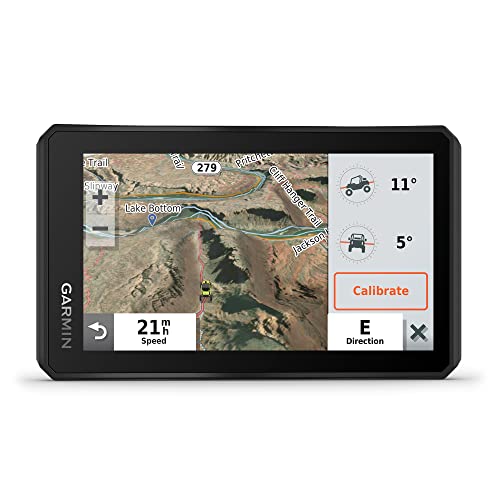
The Garmin Tread Powersport is a rugged, weather-resistant navigator designed for powersport vehicles, including jet skis. It features a 5.5-inch glove-friendly touchscreen and preloaded topographic and street maps, along with BirdsEye Satellite Imagery. Best for riders who want robust navigation capabilities beyond waterway maps and who need a vehicle-grade device that can handle rugged riding conditions. A caution is the device’s more complex feature set, which may require a bit more setup and familiarity with Garmin’s ecosystem.
Humminbird PiranhaMAX 4

The Humminbird PiranhaMAX 4 offers dual-beam sonar with adjustable narrow or wide beams, providing detailed fish targets and a wider coverage area. Its tilt-and-swivel mount allows flexible viewing angles while riding. Best for jet skiers who want a compact fishfinder with flexible sonar beams and straightforward mounting. A caveat is that the display is smaller, which may reduce readability while wearing polarized sunglasses or riding at high speeds with spray on the lens.
Buying Guide: Key Considerations For Jet Ski GPS And Fishfinders
- Display size and readability: Bigger screens are easier to read while riding, but may require larger mounts and more battery. Balance visibility with mounting space on your jet ski.
- Sonar type and coverage: CHIRP traditional sonar and CHIRP ClearVü provide clearer fish targets and structure. Dual-beam or multiple-beam options offer flexible search patterns for chasing fish or avoiding submerged hazards.
- Water resistance and mounting: IPX ratings indicate water exposure resistance. Choose products with appropriate mounting options (ram, clamp, or through-dash) that fit your craft and handlebars or handlebars, if applicable.
- Navigation features: Waypoints, routes, and speed data help plan trips and log best fishing spots. Some models integrate preloaded maps, BirdEye imagery, or topographic data for land-based explorations.
- Power and installation: Check the required voltage and current draw. Ensure your jet ski’s electrical system can handle the device and its transducer, and consider professional installation if mounting is challenging.
- Target use: Decide between a primary depth finder, a full fishfinder with mapping, or a rugged navigator with both water and land navigation features.
- Limitations and trade-offs: Smaller displays offer portability and simpler interfaces but can hamper readability. Some devices emphasize depth, while others emphasize fish detection or mapping capabilities.
Frequently Asked Questions
- What is the best GPS fishfinder for jet skis with bright sunlight readability? Many 4-inch displays with simple interfaces perform well in sunlight; models with glare-reducing screens and adjustable backlights help in bright conditions.
- Do these devices require professional installation on a jet ski? Some models are plug-and-play with standard mounting options, while others may benefit from professional mounting and wiring to ensure water resistance and reliable power.
- Can I use a handheld GPS for jet ski navigation? Handheld units can work, but dedicated marine GPS/fishfinders typically offer better water resistance, mounting options, and sonar capabilities tailored for watercraft use.
- Is CHIRP sonar worth the extra cost for jet ski use? CHIRP sonar provides clearer, more detailed images of fish and structure, which can improve targeting and reduce guesswork on the water.
- Do these devices track boat speed and routes? Yes, most models include GPS speed, waypoint marking, and route creation features, which are helpful for planning trips and logging fishing spots.
- Are there compatibility concerns with jet ski models? Compatibility is mainly about mounting space, power supply, transducer type, and whether the jet ski’s electrical system supports the device’s current draw.
These selections provide a range of capabilities—from compact, high-contrast color displays to rugged navigators with topographic maps. When choosing, consider your riding style, typical water depth, and how you prefer to navigate and fish. The listed products above are selected for jet skis based on display readability, sonar clarity, durability, and ease of use in a marine environment.