Best Gas Additives for Boats to Improve Performance and Storage
For boat owners, choosing the right gas additive can protect the fuel system, improve starting reliability, and extend engine life. This guide highlights five effective options that address common boating concerns such as ethanol-related issues, fuel stability during storage, and overall cleanliness of the fuel system. The selections are best for casual weekend boaters, anglers relying on steady starts, and seasonal users who store engines for months between trips.
Buyer focus: If you need fuel stability for long storage, look at stabilizers; if you want to curb ethanol problems in a marine environment, choose enzyme or ethanol-focused formulas; for overall fuel-system cleaning, pick a dedicated cleaner. The quick-reference table summarizes the five products and their primary strengths.
| Product | Best For | Key Benefit |
|---|---|---|
| STAR BRITE Star Tron Enzyme Fuel Treatment | Boats with older engines or irregular usage | Enzyme technology improves starting and reduces deposits |
| STA-BIL 360 Marine Fuel System Treatment | Regular maintenance and protection | Cleaner fuel system and corrosion protection |
| Sea Foam Motor Treatment | Mixed-fleet boats requiring cleaning of fuel and oil paths | Deep cleaning of fuel system and oil passages |
| STA-BIL Storage Fuel Stabilizer | Long-term storage | Keeps fuel fresh and prevents corrosion for storage |
| STA-BIL 360 Marine Ethanol Treatment | Combat ethanol damage during season | Prevents ethanol-related issues and protects the system |
STAR BRITE Star Tron Enzyme Fuel Treatment

Product overview: Star Tron Enzyme Fuel Treatment uses enzyme technology designed to help engines start more reliably and run cleaner, even after periods of inactivity. It also addresses ethanol-related problems, preventing and curing issues like poor performance and rough idling. A key benefit is maximizing fuel economy by removing gum, carbon deposits, and varnish from the fuel delivery system. This formula is suitable for boats with mixed gasoline and ethanol blends and for engines left idle for extended times.
Best for: Boats and engines that experience seasonal use or long gaps between runs. It is especially useful for engines that show signs of ethanol-related impairment, such as rough idling or decreased mileage. It is chosen here for its enzyme-based approach to cleaning and fuel system maintenance.
Limitation: While enzyme treatments help, results depend on correct dosing and ongoing maintenance. Do not expect immediate, dramatic changes if the system has significant varnish buildup without prior cleaning steps.
STA-BIL 360 Marine Fuel System Treatment
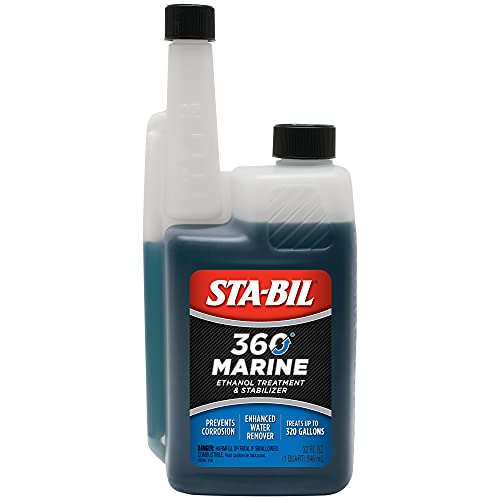
Product overview: STA-BIL 360 Marine Fuel System Treatment cleanses the entire fuel system using advanced additives that remove water, gum, and varnish. It also provides corrosion protection and is designed to optimize fuel performance. The formula supports better fuel economy and engine protection in boats and watercraft.
Best for: Boat owners who want a comprehensive fuel-system cleaner with corrosion protection. It is a solid choice for seasonal use and mid-season maintenance to keep the system clean and functioning smoothly.
Limitation: The product is formulated for marine fuel systems, but it should be used as part of a regular maintenance routine rather than a one-off fix for severe issues.
Sea Foam Motor Treatment

Product overview: Sea Foam Motor Treatment provides deep fuel system cleaning, helping restore power, smooth out rough idle, and improve miles per gallon. It cleans fuel injectors, carburetors, and other critical fuel passages. It also acts as an oil treatment, helping reduce engine wear and clean oil-related deposits.
Best for: Boats needing a thorough clean of both fuel and oil pathways, especially when fuel quality is inconsistent or when higher engine maintenance is planned. It is a versatile option for mixed fleets that require multi-path cleaning.
Limitation: Sea Foam is a multi-purpose cleaner and may be more aggressive on older systems; verify compatibility with your engine oil and fuel specifications before use.
Attwood Oil Mixing Bottle
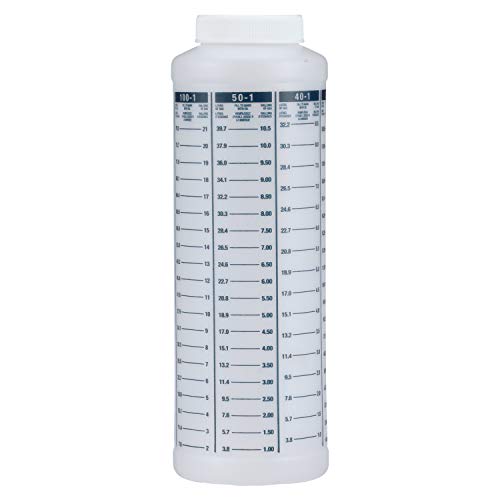
Product overview: The Attwood Wide-Mouth Marine Fuel/Oil Mixing Bottle is designed for precise oil mixtures in two-stroke engines. It features a clear level mark for gallons and liters, allowing accurate mixing ratios such as 100:1, 50:1, 24:1, and 10:1. While primarily an oil mix tool, it is a practical companion when using gasoline additives with two-stroke marine engines that require oil integration.
Best for: Boat owners with two-stroke motors who mix oil and fuel manually. It helps ensure accurate ratio preparation, which supports proper lubrication and engine protection.
Limitation: This accessory does not itself treat fuel; it only assists with oil-to-fuel mixing. It should be used alongside a suitable fuel additive or stabilizer for best results.
Buying Guide
What should I look for in a marine fuel additive?
Consider whether you need fuel stabilization for storage, ethanol compatibility, or fuel-system cleaning. Enzyme-based formulas help maintain cleanliness and ease starting, while PEA-based cleaners target varnish, gum, and water removal. Choose products with clear marine-friendly claims and avoid duplicating functions that aren’t needed for your engine type.
Is storage stabilization necessary for boats?
Yes, for boats stored for weeks or months, a reputable fuel stabilizer is essential to prevent fuel degradation, varnish formation, and corrosion. Storage-focused products typically create a protective environment that preserves fuel quality during downtime.
How do I address ethanol-related issues specifically?
Ethanol can cause phase separation, moisture absorption, and varnish formation. Ethanol-focused treatments claim to prevent these issues and help engines start and run more smoothly after periods of inactivity. Enzyme treatments also assist by maintaining a cleaner fuel pathway that remains resilient to ethanol-related deposits.
How often should I use fuel additives?
Follow product directions, which usually recommend treating every fill-up or seasonally during storage. For seasonal boats, use a stabilizer before long storage and a cleaner mid-season or after several weeks of idle periods to keep the system in good shape.
What about compatibility with two-stroke engines?
Some additives are designed for four-stroke engines, while others are suitable for two-stroke engines that mix oil into fuel. Check the product label for engine compatibility and mixing instructions, particularly for oil-based additives used with two-stroke motors.
FAQ
- Do marine fuel additives improve starting reliability? Yes, particularly enzyme-based formulations can help engines start more reliably after inactivity.
- Can fuel stabilizers extend storage life? Yes, stabilizers prevent fuel degradation and reduce corrosion during storage.
- Are there additives for ethanol-damaged engines? Ethanol-focused treatments target moisture and varnish issues common with ethanol blends.
- Should I use a fuel system cleaner every season? Routine use helps prevent gum and varnish buildup and supports smoother operation.
- Is Sea Foam suitable for both gas and diesel boats? Sea Foam is designed for both gasoline and diesel engines, offering cleaning benefits for multiple pathways.
- Do I need a separate oil additive for two-stroke engines? If you mix oil and fuel manually, an appropriate mixing bottle helps ensure correct ratios for lubrication.