Best Sailboat Hinged Mast Step Solutions for Safe Climbing and Dockside Rigging
When choosing a hinged mast step, boaters want reliability, safety, and easy installation. This guide highlights five durable options that cover light to heavy-duty needs, from folding nylon steps to teak-wood–pad versions and stainless steel ladders. The top picks suit sailors who prioritize lightweight portability, anti-slip safety, and simple, secure folding mechanisms. Whether you’re a weekend cruiser or a full-time sailor, these steps are selected to balance strength, ease of use, and maintenance considerations. See the quick product comparison below to identify the best fit for your boat and mast height.
| Product | Material & Design | Best For |
|---|---|---|
| Vinland Marine Nylon Black Folding Mast Step (310 lbs) | Fiberglass-reinforced nylon; quiet locking; 310 lb max | Lightweight cruising dinghies and small masts |
| Vinland Marine 304 Stainless Steel Teak Mast Step | 304 stainless steel with teak pad; anti-slip | Elegant, durable performance; medium-to-large masts |
| Sailboat Mast Ladder with Short Steps (12.4 m) | Nylon webbing; 3,000 lb rated tensile strength | Long masts; frequent climbing with extended reach |
| SeaLux Marine 316 Stainless Steel Folding Step | 316 marine stainless; space-saving, anti-rattle | Hard-to-reach positions; rugged, versatile use |
| Vinland Marine 304/Teak Mast Step (Teak Pad) | 304 stainless steel with teak pad | Style and slip resistance for larger boats |
Vinland Marine Nylon Folding Mast Step

The step uses fiberglass-reinforced nylon for long-lasting use and features a quiet, clatter-free locking mechanism when folded. It is tested to a maximum static load of 310 lbs. This makes it suitable for smaller sailboats and lighter mast configurations. Best for boaters who want a lightweight, portable step with a simple fold-and-lock action. A caution: users over 250 lbs should exercise caution due to the static load rating.
Vinland Marine 304 Stainless Steel Teak Mast Step
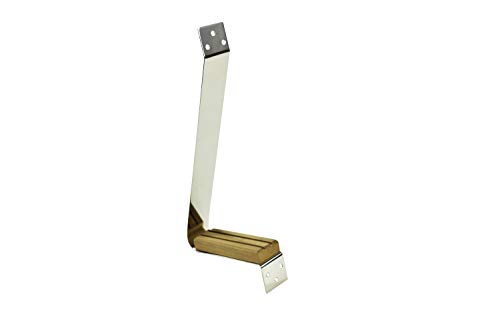
Designed with a 304 stainless steel core and a teak wood pad, this step prioritizes anti-slip performance with a grooved 5/8″ teak surface. The teak pad adds grip and a classic aesthetic, suitable for mid-sized to larger sailboats that value both safety and appearance. Best for boats needing a robust, corrosion-resistant step with an elegant finish. Limitation: teak maintenance may be required to preserve its appearance and grip over time.
Sailboat Mast Ladder with Short Steps

This ladder is built for long masts, with a 12.4-meter total length and alternating-step construction. It uses durable nylon webbing with a 3,000-pound tensile strength, offering reliable support for climb-and-move maneuvers on tall rigging. Best for sailors who routinely ascend long masts and require a flexible, high-strength climbing solution. Limitation: nylon webbing can require inspection for wear in harsh sun or salt conditions.
SeaLux Marine Side Mount Anti-Skid Folding Step

Built from heavy-duty marine-grade 316 stainless steel, this folding step supports up to 200 lbs. It is designed to fit in tight spaces and can be used on boats, trucks, or transoms. An anti-rattle spring plate helps hold the step in position when not in use. Best for space-conscious installations and widespread utility. Limitation: 200 lb weight capacity may be limiting on heavier crew or larger masts.
Vinland Marine 304 Stainless Teak Mast Step (Teak Pad)
This variant combines 304 stainless with teak to deliver a slip-resistant surface and a refined look. The teak pad provides superior grip, especially in wet conditions, making it a strong choice for larger boats with higher performance demands. Best for sailors seeking a durable, stylish step that reduces slippage. Limitation: teak requires regular maintenance to maintain texture and anti-slip properties.
Buying Guide
What should you prioritize when selecting a hinged mast step?
Load capacity is critical. Choose a step with a static load rating that exceeds your typical crew weight plus gear. Consider the mast height and the distance you must climb to ensure the step length and ladder reach are adequate.
Material matters: nylon, stainless steel, or teak?
Nylon steps are lightweight and easy to handle, suitable for smaller boats. Stainless steel offers durability and corrosion resistance for larger vessels, while teak surfaces provide excellent grip and a classic look. Teak pads on metal bases balance slip resistance with aesthetic appeal.
Locking and safety features
Quiet or clatter-free locking mechanisms reduce noise and fatigue. Anti-slip surfaces, grooved pads, and lock security help prevent movement while in use. Look for anti-rattle components to keep the step stable when folded.
installation and compatibility
Confirm mounting options fit your transom, deck, or mast base. Some models are side-mount or fold-flat; others are standalone steps. For long-term use, check maintenance needs, such as teak oil for teak pads or stainless steel corrosion precautions.
Size, weight, and portability
Portability matters if you frequently store gear or move between boats. Lighter steps improve handling, but ensure they still provide sufficient strength for your mast climbing demands.
FAQ
- What is a hinged mast step? A hinged mast step is a foldable platform or ladder that provides a stable step attachment near the mast base, allowing safe ascent and descent during rigging and sailing.
- What load capacity is typical for these steps? Capacity ranges from about 200 lbs to 310 lbs depending on model and material. Always match capacity to your typical crew weight and gear.
- Is teak padding necessary on a mast step? Teak pads increase grip and reduce slipping on wet surfaces, making them advantageous on larger boats with frequent mast access.
- How do I maintain stainless steel mast steps? Rinse with fresh water after salt exposure and apply a light protective release if needed to prevent corrosion, especially in high-salt environments.
- Can these steps fit on all sailboats? Not all steps are universal. Check mounting type, mast height, and deck configuration to ensure compatibility with your vessel.
- Which step is best for long masts? A mast ladder with extended length and high-tension nylon webbing offers the most reach and safety for tall rigs.