Best Lithium Ion Boat Batteries for Reliable Marine Power
Answer: Lithium ion boat batteries offer higher energy density, longer life, and faster charging than traditional lead-acid options, making them ideal for anglers, weekend boaters, and RVers who demand dependable, lightweight power on the water. This guide highlights five lithium-based options, explains who each is best for, and helps you compare features like BMS, cycle life, and cold-weather performance. Use the buying table below to quickly compare core specs and choose the right pack for your boat, trolling motor, and onboard accessories.
| Product | Type | Capacity | Best For |
|---|---|---|---|
| LiTime 12V 100Ah LiFePO4 Battery (Bluetooth) | LiFePO4 | 100 Ah | RV, boating with Bluetooth monitoring |
| DJLBERMPW 12V 100Ah LiFePO4 Battery | LiFePO4 | 100 Ah | Marine, RV, trolling motors with strong safety features |
| Ionic Lithium 12V 200Ah LiFePO4 Battery | LiFePO4 | 200 Ah | High-capacity power storage, longer trips |
LiTime 12V 100Ah LiFePO4 Battery With Bluetooth
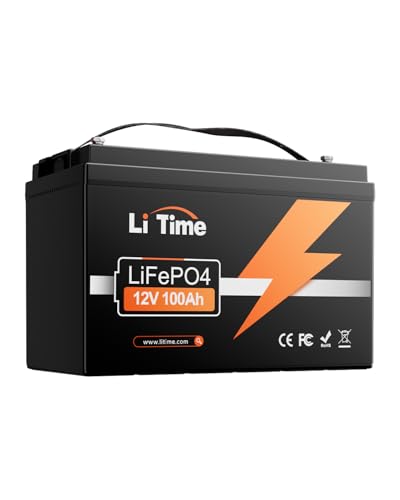
Product Type: LiFePO4. Capacity: 100 Ah. Built-in 100A BMS with low-temperature protection and 5+ protection features. Smart Bluetooth monitoring via LiTime app enables real-time status and power management. Best for boaters who want remote monitoring and easy integration into RV or trolling motor setups. Limitations: Bluetooth feature requires compatible device and app connectivity; ensure the app is actively supported to continue monitoring.
LiTime 12V 100Ah LiFePO4 Battery Bluetooth (Group 27)

Product Type: LiFePO4. Group 27 fit. Features built-in 100A BMS with low-temp protection and 30s overload recovery. Best for RVs and marine setups needing a compact, monitorable high-capacity pack. Choose this if you prioritize Bluetooth oversight and a compatible Group 27 form factor. Caution: ensure the installation space accommodates the battery weight and dimensions.
DJLBERMPW 12V 100Ah LiFePO4 Battery

Product Type: LiFePO4. Features a built-in 100A BMS with over/under protections and low-temp cut-off. Notable for 15000 deep-cycle capability and a 10-year lifespan expectation under proper use. Best for serious boaters and solar setups needing high cycle life and robust safety. Limitation: high initial cost relative to lead-acid options, though total cost of ownership may be favorable over time.
Ionic Lithium 12V 200Ah LiFePO4 Deep Cycle Battery

Product Type: LiFePO4. High capacity at 200 Ah for extended trips and heavy accessory loads. Includes advanced BMS with cut-off and recovery, cold-weather protection, and no Bluetooth requirement for operation. Best for power-hungry trolling motors and extended marine adventures. Caution: heavier battery weight may affect boat trim and installation space; verify fit before purchasing.
Interstate Batteries Marine/RV 12V 100Ah AGM Dual-Purpose

Product Type: AGM lead-acid (for comparison). Best for boaters seeking a dual-purpose battery capable of starting and trolling motor operation. Not a lithium option, but relevant for mixed-fuel or hybrid setups where space or budget constraints exist. Limitation: shorter deep-cycle life and heavier weight compared to LiFePO4 options.
Buying Guide: Key Purchase Considerations
What matters most when choosing lithium ion boat batteries:
- Battery chemistry and safety: LiFePO4 is praised for stability, long life, and broad temperature tolerance. Look for a robust BMS with over/under protection and low-temperature cut-off.
- Capacity and power needs: Match Ah rating to your trolling motor, accessories, and expected runtime. Higher Ah means more sustained power but adds weight and cost.
- Weight and space: Lithium packs are lighter than lead-acid; check dimensions to ensure proper fit in your battery compartment and balance on the boat.
- Charging and charging speed: A capable charger and a BMS-friendly charging profile reduce cycle wear. Some models support fast charging with appropriate chargers.
- Monitoring features: Bluetooth or app-based monitoring helps track voltage, current, and temperature for safer operation.
- Cold-weather performance: Batteries with effective low-temp cut-off protect against charging hazards in cold environments.
- Durability and warranty: Consider the expected cycle life (thousands of cycles for LiFePO4) and any manufacturer warranties when evaluating total cost of ownership.
Frequently Asked Questions
- What is the main advantage of LiFePO4 marine batteries?
They offer higher energy density, longer cycle life, and safer operation with built-in protection compared to traditional lead-acid options. - Do lithium boat batteries need special chargers?
Use a charger compatible with LiFePO4 chemistry and ensure the charger supports the battery’s charging profile and BMS requirements. - Are lithium batteries heavier than lead-acid?
No, lithium packs are typically lighter for the same capacity, improving maneuverability and weight distribution on the boat. - What does a Battery Management System (BMS do?
It protects against overcharge, over-discharge, over-current, and short circuits, and can include temperature protection and cell balancing. - Can I mix chemistries in the same system?
It’s generally not recommended to mix different battery chemistries in a single bank due to charging and balancing issues. - How many cycles can I expect from LiFePO4 batteries?
Many LiFePO4 packs offer 2000–15000+ deep cycles depending on usage, depth of discharge, and charging practices.