Best Marine Lower Unit Stands for Easy Outboard Maintenance
Answering the common buyer intent: the right marine lower unit stand helps mechanics access, inspect, and service outboard and stern drive lower units more efficiently. This guide compares five top options, highlighting who each is best for, and why. Ideal buyers include marine technicians, DIY boat owners performing routine maintenance, and shops needing portable stands for on-site repairs.
| Product | Best For | Key Benefit |
|---|---|---|
| Outboard Engine Lower Unit Stand (Without Wheels) | DIYers needing a sturdy, wheel-free base | Rigid starboard construction for saltwater durability |
| Outboard Engine Lower Unit Stand (With Wheels) | Shops and mobile users | Mobility with stable lower unit support |
| ME-112 Hitch-Mounted Service Stand | Mobile technicians using a hitch-equipped vehicle | Extends reach via hitch extension |
| ME-112 Lower Unit Service Stand (USA) | I/O and outboard servicing | Fits standard 2″ hitch receiver, all standard units |
| Lower Unit Holder ME-180-LU | Permanent workshop setups | Durable welded steel with secure mounting |
Outboard Engine Lower Unit Stand (Without Wheels)

The stand uses durable HDPE starboard 3/4″ thick material, delivering strong support and marine corrosion resistance. Its flexible design accommodates a wide range of outboard motor sizes and shapes, making it suitable for many maintenance tasks. This model focuses on providing a stable base for inspections and repairs while minimizing strain on the technician’s back and shoulders.
Best for: DIY boat owners and small shops needing a solid, non-corrosive base without wheels. This setup emphasizes longevity in saltwater environments and straightforward setup for routine lower-unit maintenance.
Caution: Without wheels, mobility is limited; plan placement and maneuvering before heavy use.
Hitch Mounted Outdrive Service Stand Plus Hitch Extension

Designed for mobile marine repairs, this ME-112 stand is not for transporting motors but for service tasks. It includes a hitch extension that adds 19 inches of reach and fits standard 2″ hitch receivers. It accommodates all standard outdrive and lower units, making it versatile for a busy mobile shop environment.
Best for: Mobile technicians who need extended reach and compatibility with most lower units. Choose this for on-the-road servicing scenarios and when extra leverage is beneficial.
Limitation: It requires a vehicle with a compatible hitch setup and is intended for service rather than movement of full motors.
ME-112 Hitch-Mounted Lower Unit Service Stand

This durable mobile service stand is designed for marine technicians and shopper-friendly portability. It fits in a standard 2″ hitch receiver and accommodates all standard outdrive and lower units. The design emphasizes ease of use and a secure fit for maintenance tasks on the go.
Best for: Shops and technicians needing a compact, universal stand that travels well with a vehicle. It’s a good pick when frequent on-site service is required.
Caution: As a hitch-mounted unit, stability depends on proper hitch installation and vehicle weight balance.
Outboard Engine Lower Unit Stand (With Wheels)
This wheeled version of the lower unit stand adds mobility to a design built from durable starboard. It shares the same corrosion-resistant, high-strength features as the wheelless model, with the added advantage of easier repositioning within a shop or on a dock.
Best for: Shops or individuals who need to move the stand around a workspace or dock area. Ideal when frequent repositioning is part of the maintenance workflow.
Limitation: Wheels may require periodic maintenance and can add a slight footprint to storage considerations.
Lower Unit Holder ME-180-LU
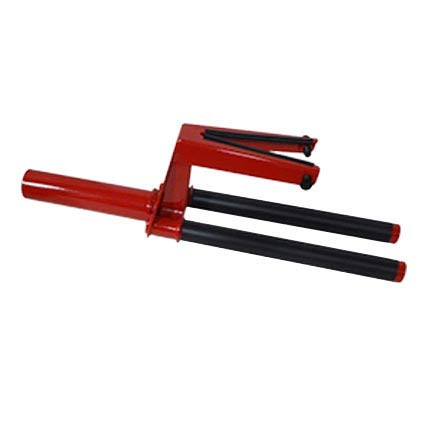
The ME-180-LU is a dedicated lower-unit holder designed for servicing and repairing I/O and outboard lower units. It features durable welded steel with a glossy red powdercoat and rubber-scratch-preventing sheaths. Nylon thumb screws help secure the lower unit during work, reducing movement and risk during maintenance.
Best for: Workshop environments where a robust, stationary holder is preferred for frequent servicing of multiple units. It provides a stable platform for detailed lower-unit work.
Limitation: This item is part of a broader system and may require compatible mounts or bases not included in the purchase.
Buying Guide
What should you consider when choosing a marine lower unit stand?
- Intended use: Mobile vs. stationary needs influence whether a wheel-equipped stand or a hitch-mounted option is best.
- Material durability: Starboard-based stands resist saltwater corrosion, while welded steel offers strong support but may require care against rust.
- Unit compatibility: Ensure the stand accommodates standard outboard and I/O lower units you service.
- Mobility: If you work on shore or in a dock, wheels can save time; for fixed-shop setups, wheels may be unnecessary.
- Space and storage: Consider stand footprint and whether a portable rack or wall-mounted base fits your workflow.
How to compare similar stands?
- Check load capacity versus the heaviest unit you service to avoid overstressing the stand.
- Compare hitch compatibility and required receiver size for mobile options.
- Review ease of securing a lower unit: look for nylon screws, rubber shields, and adjustable clamps.
- Assess portability vs. stability: wheels improve movement but may add weight or roll resistance.
Maintenance and safety tips
- Regularly inspect all fasteners and moving parts for wear and corrosion.
- Clean stands after saltwater exposure to extend life; dry thoroughly before storage.
- Follow manufacturer guidelines for weight limits and use with compatible units only.
Frequently Asked Questions
- What is the best stand for portable outboard service? A: A hitch-mounted or wheel-equipped stand depending on how often you move between locations and the size of the units you service.
- Do these stands fit all outboard lower units? A: Most designs aim for standard lower units, but verify compatibility with your specific models before purchase.
- Are HDPE starboard stands suitable for saltwater? A: Yes, starboard is chosen for its corrosion resistance in marine environments.
- Should I buy a stand with wheels even if I work mostly in a fixed shop? A: Wheels can help reposition units within a shop, but if space is tight, a stationary stand may be preferred.
- Is a dedicated lower unit holder necessary if I already have a general workbench? A: A holder provides a stable, vibration-free mounting for precise work, which is beneficial for frequent servicing.