Best 12 Volt Battery for Your Fish Finder: Top LiFePO4 Picks
If you need reliable, long-lasting power for a fish finder, a 12V LiFePO4 battery is a smart choice. This article highlights five top options, each suited to different boating and outdoor setups. Best for portable use, long cycle life, or compact setups, these picks help you fish longer without frequent recharging. The buyer-friendly table below compares key points to help you decide who benefits most from each option.
| Product | Brand | Battery Type | Cycles | |
|---|---|---|---|---|
| TRUVALUX 12V 10Ah LiFePO4 | TRUVALUX | LiFePO4 | 5000+ | Lightweight, long life, small electronics or backup power |
| 12V 15Ah LiFePO4 Deep Cycle | Akiisolo | LiFePO4 | 8000+ | Portable power, extended cycling |
| NERMAK 12V 10Ah LiFePO4 | NERMAK | LiFePO4 | 2000+ | Versatile for fish finders and small backup power |
| FixOasis 12V Kit | FixOasis | LiFePO4 (battery kit) | Not specified | All-in-one kit, compatible with Garmin, Raymarine, Lowrance |
| GOLDENMATE 12V 10Ah LiFePO4 | GOLDENMATE | LiFePO4 | 5000+ | IP67 waterproof, multi-application use |
TRUVALUX 12V 10Ah Lithium Battery
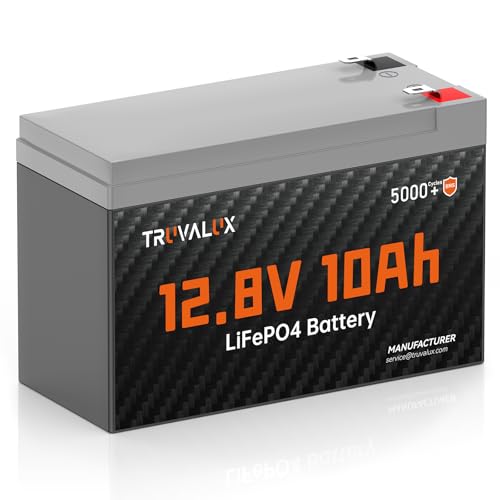
Best for lightweight, long-lasting power with a built-in 10A BMS. This battery uses A-grade cells for high energy density and stable output. It delivers up to 128W continuously and handles brief peaks up to 30A, suitable for small solar setups or electronics. Choose this if you need a compact, maintenance-friendly option with a very long lifespan (up to 10 years) and over 5,000 deep cycles. Caution: Not designed for high-current start applications.
12V 15Ah LiFePO4 Deep Cycle Battery (Akiisolo)

Best for portable power with substantial runtime and long life. It weighs significantly less than lead-acid alternatives and claims up to 8,000 cycles at partial depth of discharge, with about 10 years of dependable performance. Best for outdoor setups, RVs, and fish finders when light weight matters. Limitation: higher upfront cost than lead-acid equivalents.
NERMAK 12V 10Ah LiFePO4 Deep Cycle Battery

Best for versatile indoor/outdoor use with built-in BMS protection. It supports overcharge, over-discharge, over-current, and short circuit protection and is suitable for fish finders, small UPS, lighting, and solar/wind power. It is noted for reliable performance and safety features. Caution: Not intended for motorcycle starting or high-power loads.
FixOasis 12V Fish Finder Battery Kit

Best for a complete, ready-to-use kit with durability-focused connectors. This kit is compatible with Raymarine, Garmin, Lowrance, GPS, and most 12V electronics, and includes a wall charger for easy recharging. It provides long-lasting power for extended outings. Caution: Kit components are designed for systems under 200W; heavy loads may require a larger battery capacity.
GOLDENMATE 12V 10Ah LiFePO4 Battery

Best for waterproof, multi-use applications including fishing gear, marine setups, and ride-on toys. It features IP67 protection and a built-in BMS, with a long lifespan of over 5,000 cycles and up to 10 years. Choose this if you need durable, sealed performance in variable environments. Caution: Not intended for vehicle starting.
WOXABHSL 12V 7Ah LiFePO4 Battery

Best for compact replacement needs with a built-in BMS and lightweight design. It’s suitable for ride-on toys, fish finders, and small alarms. Caution: Lower capacity (7Ah) means shorter runtime for higher-power devices.
Buying Guide: How to Choose the Right 12V LiFePO4 Battery for a Fish Finder
- Capacity vs. runtime: Higher Ah means longer operation between charges. Match capacity to your typical outing duration and the fish finder’s power draw.
- Cycle life and lifespan: LiFePO4 batteries offer thousands of cycles and longer lifespans than lead-acid. Consider total cost of ownership and storage needs.
- Built-in protection: A smart BMS protects against overcharge, over-discharge, over-current, and short circuits. This reduces risk in portable or remote setups.
- Weight and portability: Lighter batteries improve transportability on kayaks, small boats, or camping rigs. Compare weight per Ah when carrying power on the water.
- Voltage stability and load capability: Look for a battery that maintains voltage under the fish finder’s load, with sufficient peak discharge for any startup surges.
- Environmental tolerance: For outdoor use, consider temperature range and waterproofing or IP rating to handle rain, spray, or splashes.
- Charger compatibility: Some kits include chargers; ensure you have an appropriate charger for LiFePO4 chemistry and your charging environment.
- Maintenance and storage: LiFePO4 batteries typically require minimal maintenance, but proper storage and occasional full-discharge/charge cycles extend life.
How to Use a 12V LiFePO4 Battery With a Fish Finder
Connect via appropriate 12V power cables with secure terminals. Ensure polarity is correct and use weatherproof connectors where exposure is likely. If the fish finder is used in a marine setting, consider a waterproof enclosure for any exposed connections and regularly inspect for wear.
FAQ
- What is LiFePO4, and why choose it for a fish finder?
- How many cycles can I expect from these batteries?
- Is IP67 waterproofing important for a fish finder battery?
- Can I use these batteries for other devices?
- Do these kits include a charger?
- Are these batteries suitable for high-current start needs?
LiFePO4 is a lithium iron phosphate chemistry known for safety, long life, and stable performance, making it suitable for sensitive electronics like fish finders.
Cycle counts vary by model, but many LiFePO4 options listed offer thousands of cycles, often 2,000 to 8,000 depending on usage and depth of discharge.
Waterproofing helps protect the battery in damp or splash-prone environments, especially on open water or kayaks.
Yes, these LiFePO4 batteries can power other 12V electronics like lights, routers, or small UPS systems, provided the load stays within the battery’s capability.
Some kits include a charger, while others require an external charger compatible with LiFePO4 chemistry.
Most LiFePO4 12V batteries are designed for steady power output and not for high-current starting. Use a battery matched to the device’s typical current draw rather than starting a motor.