Best Fire Extinguisher Options for Jet Skis and Marine Use
Answering the question: choose a compact, marine-rated fire extinguisher that is easy to access on a jet ski and effective against common marine fires. This guide highlights five reliable choices, ideal for jet ski owners, personal watercraft users, and small-boat operators. Each option addresses typical jet-ski fire scenarios—fueled engines, electrical components, and cooking or battery fires from accessories. The summary table below helps you compare suitability and best-for notes at a glance.
| Product | Best For | Why It Stands Out |
|---|---|---|
| Kidde Fire Extinguisher for Boats, Single-Use 5BC | Boat/marine use, basic fires | All-metal construction, corrosion resistance |
| First Alert Fire Extinguisher | Personal Watercraft | Jet skis and PWC | Coast Guard Type I compliant, 5-B:C |
| First Alert Marine Fire Extinguisher, FE1A10GR | Jet skis and small boats | UL rated 1-A:10-B:C, durable metal build |
| Ostutry Upgraded 8-In-1 Fire Extinguisher | Versatile handheld ext. for watercraft | 8-in-1 rating, non-toxic formula |
| AmzBoom 2-Pack Fire Extinguisher | Home, car, boat backup kit | Two-pack with mounting brackets, broad A-B-C-K coverage |
Kidde Fire Extinguisher for Boats, Single-Use 5BC
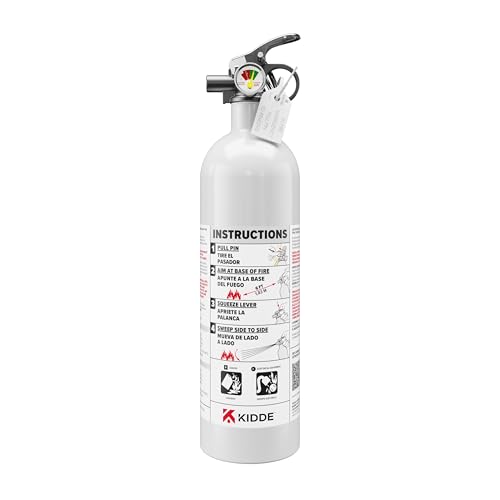
Kidde’s 5BC extinguisher is designed to combat common marine fires, including flammable liquids, gases, and electrical equipment. It features corrosion-resistant aluminum and stainless-steel components and an all-metal valve assembly with a rust-resistant lever and safety pin. Best for: jet ski owners seeking a compact, marine-grade extinguisher for engine and electrical fires. Caution: single-use design means it must be replaced after discharge.
First Alert Fire Extinguisher | Personal Watercraft Fire Extinguisher, FE5R-PWCNA

This unit meets U.S. Coast Guard Size I requirements and carries UL classifications for 5-B:C with a dry chemical agent. It is well-suited for jet skis because it covers flammable liquids and electrical fires. Best for: PWCs that require Coast Guard compatibility and ANSI/UL711 compliance. Caution: it uses dry chemical powder which can be messy and may require recharging after use.
First Alert Fire Extinguisher | Marine Fire Extinguisher, FE1A10GR
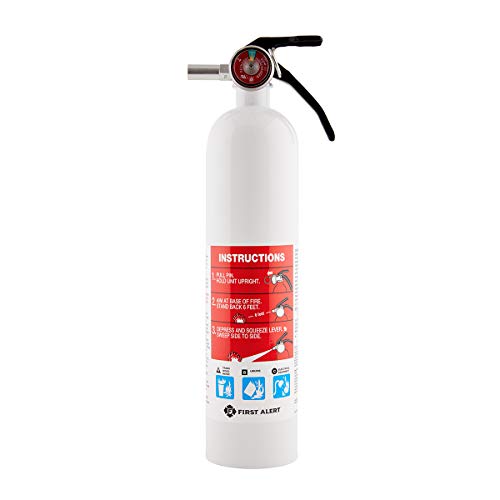
UL rated 1-A:10-B:C and built with all-metal construction, this extinguisher is multipurpose for wood, paper, plastics, liquids, and electrical fires. Best for: jet ski owners who want a robust, rechargeable option when allowed by local regulations. Caution: some jurisdictions require professional recharging after use and inspection.
Ostutry Upgraded 8-In-1 Fire Extinguisher

Ostutry offers an 8-in-1 extinguisher with a broader fire-type range including A, B, C, and K categories, plus a special focus on preventing reignition. It uses an upgraded S-100-AB formula and has a wide storage temperature range. Best for: jet skis where diverse hazards may occur, including cooking oils and electrical fires. Caution: ensure compatibility with local regulations on rechargeable units.
AmzBoom 2-Pack Fire Extinguisher

AmzBoom’s 2-pack provides broad A-B-C-K coverage with a safety-minded design that includes mounting brackets for fast access on a jet ski or trailer. Best for: users who want a paired solution for both bow and cockpit storage. Caution: ensure correct mounting and inspection intervals for two units.
Buying Guide
What should you consider when choosing a jet ski fire extinguisher?
- Fire type coverage: For most PWCs, look for extinguishers rated for Class A, B, and C fires (solids, flammable liquids, and electrical). Some models include K for kitchen oils, which is less common on watercraft but can be useful for multi-vehicle setups.
- Marine compatibility: Select a unit with corrosion-resistant materials and metal valves designed for humidity and salt exposure.
- Size and accessibility: A compact unit should fit within easy reach in the cockpit or storage area without obstructing movement.
- Single-use vs rechargeable: Some marine extinguishers are single-use with sealed discharge, while others are rechargeable by professionals; consider maintenance and local service availability.
- Mounting options: Look for brackets or mounting kits so the extinguisher is secure and easy to grab in an emergency.
- Weight and handling: Lighter units are easier to deploy, but ensure they still provide adequate fire coverage for your craft.
Practical tips for jet ski safety
- Install extinguishers within arm’s reach of the rider and away from heat sources.
- Regularly inspect the seal, pressure gauge (where applicable), and accessibility.
- Replace extinguishers after discharge or upon expiration, following manufacturer guidelines.
Choosing for specific scenarios
- Best for lightweight, compact needs: Kidde Boats 5BC or First Alert FE5R-PWCNA.
- Better for durability and Coast Guard compatibility: FE1A10GR or similar marine-rated models.
- Best for broader fire scenarios on watercraft and accessories: Ostutry 8-In-1 or AmzBoom pairs.
FAQ
- What fire extinguisher is best for a jet ski?
- Should I buy a rechargeable extinguisher for a jet ski?
- Where should I mount a fire extinguisher on a jet ski?
- Is a two-pack extinguisher useful for a jet ski?
- Do all marine extinguishers require professional recharge after use?
- How often should I inspect my extinguisher?
Marine-rated extinguishers with Class B and C coverage are typically best for jet skis, focusing on flammable liquids and electrical fires.
Rechargeable options are convenient for long-term use, but ensure you can access professional service and recharging when needed.
Mount it within easy reach of the rider, typically near the rear cockpit or under a seat, with quick-release brackets.
Yes, a two-pack provides redundancy and allows placement in two strategic locations for quicker access.
Many extinguishers are rechargeable by certified technicians after use; check the product label and local requirements.
Inspect monthly for physical damage, pressure status (for rechargeable units), and accessibility; replace if any issue is detected.