Best Marine Diesel Fuel Treatment Solutions for Clean, Efficient Performance
When selecting a marine diesel fuel treatment, you want a product that reduces soot and deposits, protects fuel systems from corrosion, and improves lubricity and cetane. The top picks below are designed for boats and other marine dieels and are suitable for various engine types. This guide helps you choose based on your needs, from soot reduction to biocidal protection and fuel-system cleansing. The table summarizes the key features of the five recommended products.
| Product | Best For | Key Benefit |
|---|---|---|
| BIOBOR MD Diesel Fuel Additive | Marine engines needing soot reduction and anti-gel protection | Reduces soot, raises cetane, boosts lubricity |
| BIOBOR JF Diesel Fuel Additive | Fuel tanks needing biocide protection | Kills microbes, prevents corrosion, extends filter life |
| STA-BIL 360 Marine Fuel System Treatment | Comprehensive fuel-system protection | Sludge prevention, cleaning, corrosion protection |
| Archoil AR6500 Diesel Treatment | Lubricity and deposit control for high-mileage tanks | Lubricity boost, injector cleaning, cetane support |
| Fuel Ox Marine Complete Fuel Treatment | Diesel and dual-fuel systems needing water removal | Improved combustion, water dispersion, ethanol protection |
BIOBOR MD Diesel Fuel Additive for Marine & Road

BEST FOR: Marine engines needing soot reduction and anti-gel protection. This additive reduces soot emissions by up to 94% and prevents carbon deposits on vital engine parts, helping engines run cleaner at sea. It also raises Cetane by up to six numbers for faster ignition and better torque. Lubricity improves by about 12.5%, potentially reducing wear and maintenance costs. Anti-Gel agents help maintain fuel flow in cold conditions.
WHY SELECT THIS: The blend targets soot, ignition quality, and lubricity in one formula, making it a good all-around choice for boats operating in variable climates. It is particularly strong for reducing soot-related deposits and protecting metal surfaces from corrosion caused by fuel contaminants.
CAUTION: While effective in many marine applications, verify compatibility with your engine manufacturer’s guidelines before use, especially if you operate very modern HPCR systems.
BIOBOR JF Diesel Fuel Additive

BEST FOR: Fuel tanks needing microbial control and corrosion protection. This additive is a dual-phase biocide that targets bacteria and fungi, helping prevent microbial growth that can cause fuel degradation and tank corrosion. It also lubricates injectors and fuel pumps, extending component life.
WHY SELECT THIS: Microbial contamination is a common risk in marine storage. The dual-phase chemistry approach partitions water and fuel phases for enhanced protection against microbes, reducing corrosion from acidic by-products and helping extend fuel-filter life.
CAUTION: For sensitive systems, ensure proper dosing and monitor for any potential interactions with existing additives in your fuel regime.
STA-BIL 360 Marine Fuel System Treatment
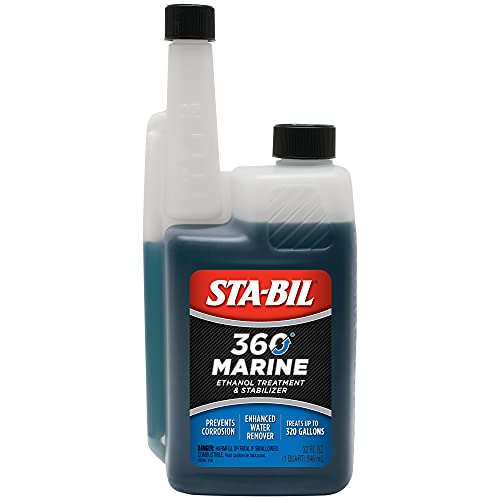
BEST FOR: Boats needing comprehensive fuel-system care and corrosion protection. This treatment cleans and lubricates the entire fuel system, including injectors and pumps, while providing corrosion resistance and helping handle ethanol-related issues.
WHY SELECT THIS: STA-BIL 360 Marine offers a robust combination of cleaning, lubrication, and corrosion defense, making it suitable for boats exposed to ethanol-blended fuels and seasonal storage. It’s a practical, all-in-one solution for ongoing maintenance.
CAUTION: Performance benefits depend on regular use; avoid relying on a single treatment for long idle periods without following storage guidelines.
Archoil AR6500 Diesel Treatment

BEST FOR: Diesel engines needing lubricity improvement and deposit control. One 40 oz bottle treats up to 400 gallons, and the formula targets lubricity (ASTM D6079) to protect wear-prone components, along with injector cleaning and cetane boost for better combustion.
WHY SELECT THIS: The AR6500 is well-suited for owners who want ongoing protection at every fill-up, with a simple dispensing method and a broad range of protective benefits for modern diesel engines.
CAUTION: Suitable for many diesel engines, but those with highly specific fuel system requirements should verify compatibility with manufacturer recommendations.
Fuel Ox Marine Complete Fuel Treatment

BEST FOR: Diesel and dual-fuel systems needing a catalyst-based boost. This treatment uses a patented combustion catalyst to promote more complete burning and improves water dispersion, helping to protect against ethanol-related corrosion.
WHY SELECT THIS: For boats operating with mixed fuel types or diesel-dominant systems, Fuel Ox Marine provides a catalyst-based approach that can enhance combustion efficiency and help keep water out of the fuel path, reducing the risk of phase separation and contaminants.
CAUTION: Catalyst formulas may require periodic reapplication according to engine use and fuel type; confirm dosing guidance for your vessel’s operation profile.
Buying Guide: How to Choose the Right Marine Diesel Fuel Treatment
Do you need soot reduction or microbial protection?
For soot and deposit control, consider BIOBOR MD or AR6500. If microbial growth in fuel tanks is a concern, BIOBOR JF offers targeted biocidal protection and corrosion prevention.
Is water management important?
If water in fuel is a frequent issue, Fuel Ox Marine and STA-BIL 360 Marine provide strong water dispersion and demulsification properties to keep engines clean and reduce corrosion risk.
What about engine type and usage patterns?
For engines with heavy-duty cycles or high-load operations, lubricity and deposit control (Archoil AR6500) can extend component life. For boats with ethanol-blended fuels or long storage periods, STA-BIL 360 Marine’s comprehensive care is advantageous.
How often should you treat fuel?
Follow product guidelines for interval dosing. Some treatments are designed for regular or at-each-fill use, while others are best for seasonal storage or fuel polishing cycles.
Are there any compatibility concerns?
Always verify compatibility with your engine’s manufacturer recommendations and current fuel additives. Carbon deposits, corrosion risk, and injector wear can be impacted by compatibility choices.
Practical tips for best results
- Use the recommended dose per tank to prevent under- or over-treating.
- Distribute additive evenly by adding to the tank before fueling when possible.
- Periodically inspect fuel filters and water separators, especially in boats stored for extended periods.
- Maintain a consistent maintenance schedule to maximize the benefits of these treatments.
FAQ
- What is the primary purpose of a marine diesel fuel treatment?
To improve combustion, protect fuel systems, reduce deposits, and prevent moisture-related issues. - Can I use multiple additives together?
Avoid stacking products without manufacturer guidance, as interactions may occur. Choose a primary treatment based on your main needs and follow its dosing schedule. - Is treating fuel at every fill-up beneficial?
For products designed for regular dosing, this can maintain protection and performance; otherwise, follow the product’s interval guidance. - How does water dispersion help my diesel engine?
Water in fuel can cause corrosion and poor combustion; dispersion and demulsification help remove water from the fuel system. - Which additive is best for ethanol-containing fuels?
Look for additives with ethanol protection and water-management features, such as STA-BIL 360 Marine or Fuel Ox Marine, depending on your system. - Do marine diesel engines require cetane boosters?
Cetane improvement can enhance ignition and efficiency, particularly in colder conditions or older engines.