Best Stainless Steel Propeller vs Aluminum: A Practical Buyer’s Guide
When choosing a propeller for an outboard or sterndrive engine, understanding the trade-offs between stainless steel and aluminum is essential. This guide highlights five relevant options and helps you decide which propeller type and specific model best fit your boat, engine horsepower, and performance goals. Aluminum props are typically lighter and cheaper, while stainless steel props offer greater strength and efficiency in demanding conditions. This article targets boaters seeking reliable guidance for Mercury, MerCruiser, and similar engines.
Summary of Selected Propellers
| Product | Material | Recommended Use | Key Advantage |
|---|---|---|---|
| Quicksilver Nemesis 4-Blade Aluminum Propeller, 14″ dia x 17″ pitch | Aluminum | Lightboats with 90-115hp to 150-300hp engines | Excellent acceleration and lighter weight |
| Quicksilver Black Diamond 3-Blade Aluminum Propeller, 14.3 dia x 21 pitch | Aluminum | Mercury/MerCruiser range engines | Balanced performance with higher pitch for speed |
| YOUNG PROPS Upgrade Stainless Steel Outboard Propeller, 10 1/2 x 13 | Stainless Steel | Mercury Alpha/Bravo One engines, 30-70 HP | Superior strength and corrosion resistance |
| FYMP Polished Stainless Steel Boat Propeller, 10.25 x 16 | Stainless Steel | Yamaha 40-60 HP engines | Durable, ideal for tougher water conditions |
| Tutor Auto 14 1/2 x 19 Pitch Aluminum Boat Propeller | Aluminum | Mercury/ Mercruiser in 135-300HP range | Spare/back-up option with alloy alloy |
Whether you’re after quicker planing, higher top speed, or long-term durability, these picks reflect common engine ranges and operating environments. The following sections explain each option so you can compare up close.
Quicksilver Nemesis 4-Blade Aluminum Propeller

Material and design: Aluminum with black finish; 14″ diameter, 17″ pitch; right-hand rotation. Compatible with engines in the 90-115hp Command Thrust and 150-300hp Mercury/MerCruiser families. This 4-blade prop focuses on improved acceleration and midrange grip. Best for boats that need quicker response from a heavier load or a higher load than a three-blade aluminum prop.
Who it’s best for: Small to mid-size boats, anglers or family boats seeking faster acceleration without paying the premium of stainless steel. Why chosen: The 4-blade configuration provides more bite and lift, aiding early planing and load handling.
Caution: Aluminum props can wear more quickly in heavy use or rocky environments; consider a stainless steel backup if you frequently hit debris or require extended high-RPM cruising.
Quicksilver Black Diamond Aluminum Propeller

Material and design: Aluminum with black finish; 14.25″ diameter, 21″ pitch; right-hand rotation. Suitable for similar engine families as the Nemesis, offering a higher pitch for greater top-end speed with still reasonable acceleration. Best for boats aiming to reach higher cruising speeds without moving to stainless steel.
Who it’s best for: Boat owners who want higher gear ratios and faster top speed without sacrificing too much low-end torque. Why chosen: The longer pitch is well-suited for lighter boats or those with lower load in calm water.
Caution: Higher pitch can reduce holeshot and midrange performance under heavy load; ensure engine RPM range aligns with the propeller’s pitch.
YOUNG PROPS Upgrade Stainless Steel Propeller (RH)

Material and design: Duplex stainless steel; 14″ diameter, 19″ pitch; 15-spline tooth; right-hand rotation. Targeted for Mercury Sterndrives and Alpha/Bravo One drives in the 135-300HP range. The stainless steel construction provides excellent strength, corrosion resistance, and better overall durability than aluminum in demanding conditions.
Who it’s best for: High-demand applications where durability and performance matter, including saltwater use or frequent high-speed running. Why chosen: Stainless steel handles higher loads and sustained high RPMs better than aluminum.
Caution: Stainless steel props are heavier; ensure the engine and drivetrain can handle the increased rotational inertia and there is adequate prop clearance.
FYMP Polished Stainless Steel Propeller for Yamaha

Material and design: Duplex stainless steel; 10.25″ diameter, 16″ pitch (and variants 14/15/16); 13 spline tooth; right-hand rotation. Targeted for Yamaha 40-60HP engines. The polished stainless blade optimizes efficiency with strong corrosion resistance and longevity in saltwater environments.
Who it’s best for: Yamaha-powered boats in the lower to mid horsepower range that need a balance of durability and efficiency. Why chosen: Stainless steel offers superior strength and wear resistance, extending prop life in challenging conditions.
Caution: Installation requires matching spline count and hub compatibility; verify your engine’s prop requirements before purchase.
Quicksilver Nemesis 4-Blade Aluminum Propeller, 13″ dia x 17″ pitch
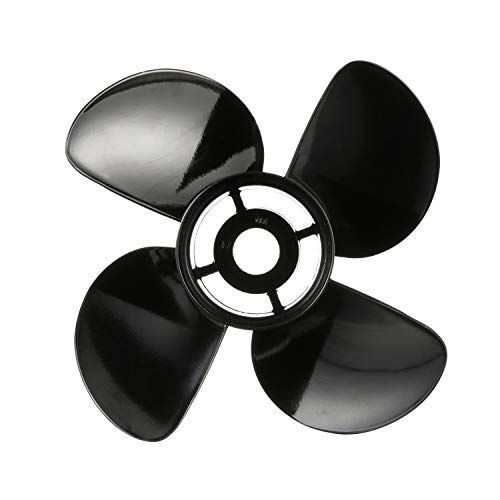
Material and design: Aluminum with black finish; 13″ diameter, 17″ pitch; right-hand rotation. Designed for 40-60hp Command Thrust and 75-125hp Mercury engines. A compact option for lighter boats requiring robust acceleration and smooth midrange performance in a compact propeller.
Who it’s best for: Small to mid-sized boats with lighter loads where a compact propeller is preferred. Why chosen: The smaller diameter and pitch provide nimble handling and quick planing.
Caution: Smaller propellers can be sensitive to load and engine RPM; verify that the chosen pitch aligns with your boat’s typical operating range.
14 1/2 x 19 Pitch Aluminum Propeller for Mercury

Material and design: Aluminum; 14.5″ diameter, 19″ pitch; right-hand rotation. Marketed as a Mercury-friendly prop with hub kits included; an economical back-up option for MerCruiser Alpha/Bravo One sterndrives. The prop is designed to be a versatile spare that fits a broad range of Mercury engines within the listed HP range.
Who it’s best for: Boat owners needing a spare or budget-friendly option for Mercury/Alpha/Bravo One setups. Why chosen: Aluminum spares are lightweight, cost-effective, and easy to swap on board.
Caution: Not a genuine Mercury part; confirm fitment against your engine model and availability of hub kits before purchase.
Buying Guide: How to pick between stainless steel and aluminum
What is the intended use and operating environment?
Saltwater environments and high-speed, high-load conditions favor stainless steel for its corrosion resistance and strength. Freshwater use with light loads can benefit from aluminum for lower cost and weight. Consider where you frequently boat and the typical load on the engine.
How does engine horsepower influence propeller choice?
Higher horsepower engines generally benefit from stainless steel when durability and efficiency are critical. Aluminum can be sufficient for lower HP ranges, but the weight and blade count can affect holeshot and midrange performance.
What about blade count and pitch?
4-blade props provide stronger acceleration and grip but can reduce top speed if the RPM is not aligned with engine specifications. Higher pitch increases top-end speed but may compromise holeshot. Match pitch and blade count to your typical load and cruising RPM.
Maintenance and durability considerations
Stainless steel props resist corrosion and wear in tough conditions; they are generally longer-lasting but heavier and pricier. Aluminum props are lighter and more affordable, but may wear faster under hard use or rocky impacts. Consider spare/back-up options for critical boating days.
How to choose by engine family
Check the intended engine model, horsepower, and drive type (outboard vs sterndrive). Ensure spline count, hub size, and rotation direction match your engine’s requirements. If in doubt, consult the engine manufacturer’s propeller specifications before ordering.
Quick buy considerations
- Purpose: casual cruising vs performance-focused boating
- Environment: saltwater vs freshwater
- Budget: initial cost vs long-term durability
- Availability of hub kits and back-up options
FAQ
- Q: Is stainless steel always better than aluminum? A: Not always. Stainless steel offers durability and efficiency in demanding conditions, but aluminum is lighter and cheaper and works well for many recreational applications.
- Q: Can I mix propeller types on the same boat? A: It’s possible but not recommended without checking engine RPM ranges and manufacturer guidance. Consistency helps maintain performance predictability.
- Q: How do I know which pitch to choose? A: Higher pitch can improve top-end speed at the cost of holeshot; choose pitch that aligns with your typical load and RPM operating range.
- Q: Do I need hub kits for replacement props? A: Many props include hub kits or require the correct hub; always verify fitment to your engine model.
- Q: Should I buy a spare prop? A: Having a spare prop is prudent for long trips or frequent boating in debris-prone areas, especially if you run aluminum props in rough water.
- Q: How can I maximize performance with a stainless steel prop? A: Ensure engine RPM remains within the recommended range for the chosen prop, maintain prop cleanliness, and verify proper installation with torque specifications.