Best Anti-Siphon Valve Options for Boat Fuel Tanks and Find the Right Fit
When your goal is to prevent fuel theft, spills, and siphoning, a marine anti-siphon valve is essential. This guide highlights five top anti-siphon valves that fit common 1/4″ NPT and 3/8″ hose configurations, ideal for boat fuel tanks and pickup tubes. These selections cater to different boat sizes, fuel setups, and installation preferences. Read on to compare compatibility, benefits, and potential limits to help you choose with confidence.
Summary table of chosen products:
- Attwood 88FAS014-6 Fuel Tank Fitting — Aluminum; ¼” NPT × 3/8″ Barb; best for OEM replacement needs
- Marine Anti Siphon Valve Replacement (doufuhua) — 1/4″ NPT, 3/8″ Hose; two-pack; best value for multiple fittings
- Seachoice Anti-Siphon Valve — 1/4″ NPT, 3/8″ Hose; aluminum; best for USCG-compliant setups
- Adabuing Marine Anti Siphon Valve Replacement — 1/4″ NPT, 3/8″ Hose; two-pack; best for replacement of blocked valves
- Attwood 9300FDV7 Universal Fuel Demand Valve — supports multiple hose sizes; versatile choice
Attwood 88FAS014-6 Fuel Tank Fitting — Anti-Siphon Valve
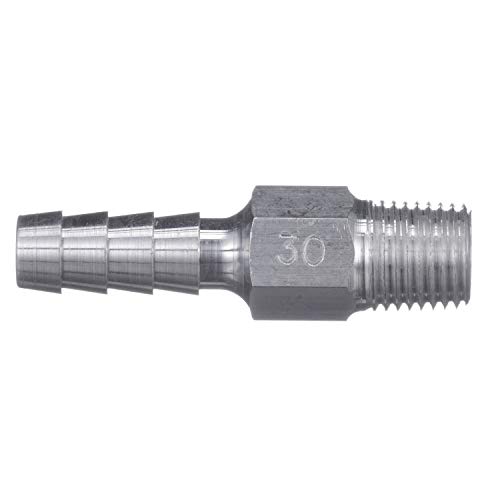
The Attwood unit provides a dependable replacement for original equipment with a secure fuel line connection. It features a male thread and ¼-inch NPT to 3/8-inch barb configuration, making it suitable for many standard fuel tanks. Best for boats needing OEM-compatible fittings or straightforward installation.
Best for: Owners upgrading an OEM valve or replacing a worn component on boats using standard ¼” NPT connections.
Limitation: Aluminum construction requires careful handling to avoid galvanic corrosion when mixed with other metals in some installations.
Marine Anti Siphon Valve Replacement (Doufuhua) — 2 Pack

These anti-siphon valves are designed to prevent fuel withdrawal by siphoning and meet USCG regulations. The 1/4″ NPT and 3/8″ hose connections ensure a snug fit with compatible fuel tank fittings. Best for boats requiring a cost-effective two-pack solution for multiple tank fittings.
Best for: Budget-conscious owners needing multiples for different tank pickups or valves in the same system.
Limitation: Performance relies on correct orientation and installation; improper positioning may limit one-way flow protection.
Seachoice Anti-Siphon Valve — 1/4 in. NPT
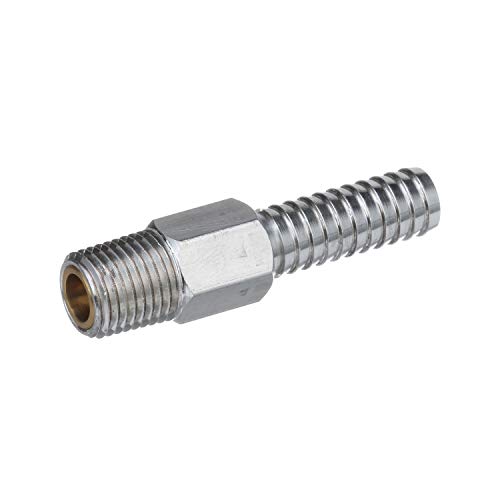
Seachoice offers a corrosion-resistant aluminum anti-siphon valve with a one-way function to prevent fuel theft and spillage. This model is designed to meet U.S. Coast Guard regulations, aligning with safety standards in many outboard or in-tank configurations.
Best for: Boats needing a regulatory-compliant, durable valve with straightforward installation.
Limitation: Aluminum construction, while corrosion-resistant, may require periodic inspection in harsh saltwater environments.
Adabuing Marine Anti Siphon Valve Replacement — 2 Pack

This two-pack provides a one-way anti-siphon valve designed to block siphoning and spills. It uses a 1/4″ NPT and 3/8″ hose layout to fit standard boat fuel tank fittings and pickup tubes. Best for replacing blocked valves or outfitting a two-tank system.
Best for: Owners who want a paired solution for backup or multi-tank setups.
Limitation: Data indicates broad compatibility; verify the exact tank outlet fitment before purchase to ensure a proper seal.
Attwood 9300FDV7 Universal Fuel Demand Valve

The Attwood 9300FDV7 is a versatile valve designed to work with 3/8-inch and 5/16-inch fuel hoses. It features a high-strength composite body and low vacuum restriction to support engine start-up and operation. Best for boats using multiple hose sizes or ethanol-blended fuels.
Best for: Boats requiring compatibility across common hose sizes and reliable start-up performance.
Limitation: Not exclusively an anti-siphon valve; primarily a fuel demand valve, so ensure your installation matches the intended function.
Buying Guide: Key Considerations For Choosing The Right Anti-Siphon Valve
- What hose and thread sizes does my fuel system use? Look for 1/4″ NPT and 3/8″ hose compatibility to match common boat fittings.
- Is USCG or regulatory compliance important for my setup? Some models advertise meeting USCG regulations; verify if your installation requires compliance.
- Do I need a single valve or a pack? A two-pack is useful for multiple tanks or spare valves, while a single valve may suffice for a simple system.
- What material is best for my environment? Aluminum is common for corrosion resistance, but consider contacts with dissimilar metals to avoid galvanic issues.
- Will this valve act as a backup or main flow control? Some products are true anti-siphon valves, others are broader fuel flow components; align with your system’s function.
- Is installation orientation critical? Many anti-siphon valves require correct orientation to prevent reverse flow; check product instructions and tank plumbing layout.
- What is the impact on maintenance? Durable materials and straightforward connections reduce maintenance, but regular inspection helps detect leaks or corrosion early.
Frequently Asked Questions
- What is an anti-siphon valve used for on a boat? It prevents fuel from siphoning out of the tank if a hose or line breaks, reducing theft and spills.
- Do I need a specific NPT size? Many marine systems use 1/4″ NPT with 3/8″ hose connections; confirm your tank fittings before purchasing.
- Are these valves required by law? Some installations require USCG-approved components; verify federal and local guidelines for your boat class.
- Can I replace just the valve or do I need a full assembly? Replacement valves are common; ensure compatibility with your tank pickup tube and outlet configuration.
- Will a better valve improve starting? Anti-siphon valves primarily prevent siphoning; a fuel demand valve or appropriate fittings may influence engine start behavior.
- How many packs should I buy? If you have multiple tanks or want spares, a two-pack provides flexibility and quick replacements.