Best Composite Boat Trailer Bunk Solutions for Safer, Easier Launching
If you’re shopping for composite boat trailer bunks, you’re likely looking for durable, rot-resistant boards that resist water damage and reduce friction during loading and launching. This guide highlights five top options tailored for different boat sizes and trailer needs. It helps you pick bunks that minimize maintenance, extend trailer life, and simplify handling for you or the crew.
Who this guide helps: boat owners requiring rot-proof, low-maintenance bunks; DIY installers building or replacing bunks on personal watercraft trailers; and fleet managers seeking long-lasting, water-friendly materials. A quick comparison helps you see which bunk type fits your boat weight, trailer length, and loading routine. The summary table below offers a snapshot of the chosen products and their core strengths.
| Product | Why It’s Selected | Best For |
|---|---|---|
| Tidal Textures Pro-Series Composite Bunk Boards | Waterproof, rot-resistant, durable 2×4 boards for heavy-duty use | Long-term replacement on sturdy utility trailers |
| Marine Flooring Plus 8′ PermaBunk Boards | HDPE, 2×4, no rot, stain and mildew resistant | Messy or damp environments; frequent water exposure |
| BoatCarpetSales 8′ Long Marine Carpet Black Bunk Boards | Carpeted surface for smooth gliding and boat protection | Fiberglass or lighter boats needing added glide while launching |
| Indurotek Hi-tech Composite Trailer Bunk (6′) | Selectable length from 2′ to 18′ in 1′ increments; rot-proof | Custom trailer setups or varying boat sizes |
| yarlung Boat Trailer Bunk Slide Pads & Glide Enders | Slide pads and enders to ease loading; includes multiple bunks | Quick improvement for easier loading of diverse hulls |
Tidal Textures Pro-Series Composite Bunk Boards (Set of 2)

These 2×4 bunk boards are designed for heavy-duty replacement on boat trailers. The boards are waterproof and rot-resistant, reducing upkeep and extending trailer life in wet environments. The two-board set fits most standard bunks and is ideal for dedicated boat trailers that see frequent immersion during launches. Best for: owners needing durable, low-maintenance bunks for regular use. Limitation: installation requires proper alignment and secure mounting to prevent shifting during transit.
(2) 8′ Black PermaBunk Boards – Marine Trailer Runners
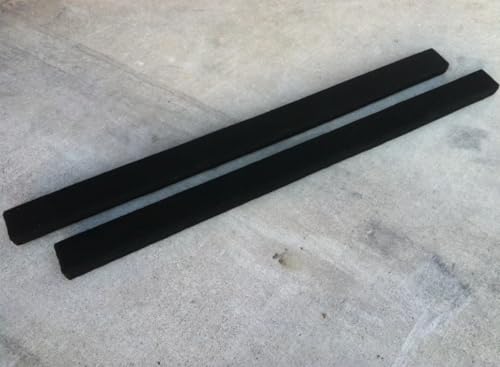
This pair of 8-foot, 2×4 HDPE bunk boards offers a rot-resistant alternative with a black carpet-free surface. Constructed from recycled HDPE, they resist moisture absorption, warping, and staining, while delivering a hard-wearing, maintenance-light option. Best for: trailers in humid or salty climates where vinyl or wood bunk rot is a concern. Caution: some users may miss the grip of carpeted bunks in rough loading conditions.
(2) 8′ Long Marine Carpet Black Bunk Boards
These carpeted bunk boards provide a smoother glide for boats, helping prevent hull scuffing during loading. The carpet surface, sized at 96 inches long (2x4x8), offers a familiar feel for traditional setups while adding friction reduction compared to bare boards. Best for: fiberglass or lighter boats that benefit from gentle contact and easy launching. Limitation: carpeted surfaces may require occasional cleaning to maintain grip and prevent debris buildup.
Indurotek Hi-tech Composite Trailer Bunk 2×4 (Selectable Length)

This premium composite bunk is customizable from 2 feet to 18 feet in 1-foot increments. It’s designed to be rot-proof, impact-resistant, warp-resistant, and crack-proof. It’s well-suited for personal watercraft, small fishing boats, pontoons, or larger vessels. Best for: buyers needing flexible length for non-standard trailers. Caution: ensure the chosen length precisely matches your trailer’s bunk span to avoid gaps and movement.
yarlung Set of 10 Boat Trailer Bunk Slide Pads and Glide Enders

This kit includes eight bunk slide pads and two glide bunk enders, sized at 3×10 inches per pad. The pads reduce friction and ease loading, compatible with most bunks and bunk arrangements. Best for: trailers that frequently load fiberglass or metal boats and need smoother transitions. Limitation: ensure the pads fit your bunk width and do not interfere with hull features during launch.
Buying Guide
What material should you choose?
Composite bunk materials like rot-proof resins or HDPE are favored for moisture resistance and lower maintenance. Carpeted options reduce hull friction but require occasional cleaning. Choose based on climate, maintenance preferences, and hull type.
What length and size matter?
Lengths must match or extend slightly beyond your trailer bunks to avoid gaps. Selectable-length bunks offer flexibility for variable boat sizes, while fixed 8-foot boards fit standard trailers. Measure your trailer and boat weight distribution before choosing.
How do you install and secure bunks?
Ensure bunks are aligned and securely bolted to prevent movement during transport. Use corrosion-resistant fasteners and verify that bunks do not protrude into hull contact areas. When in doubt, consult a trailer manual or professional installer.
What are the practical trade-offs?
Rot-resistant composites minimize maintenance but may come at a higher upfront cost. Carpeted bunks provide smoother launches for fiberglass boats but require more cleaning. Consider your typical boat weight, launch ramps, and climate when deciding.
How do you maintain bunks over time?
Inspect for cracks or wear at the contact points and replace worn sections promptly. Clean carpeted bunks to prevent dirt buildup that could scratch hulls. For HDPE or other plastics, wipe with mild soap and water to preserve surface properties.
Quick FAQ
Are composite bunks better than wood?
Yes for rot resistance and lower maintenance; composites resist moisture and warping better in wet climates.
Can I mix bunk types on a single trailer?
Yes, but ensure even weight distribution and compatible mounting to avoid hull contact issues.
What weight range do these bunks support?
Most composite bunks are designed for common personal watercraft ranges and small to mid-size boats; verify payload and trailer specs for your setup.
How often should I replace bunk boards?
Replacement depends on wear and exposure; inspect regularly and replace when you notice cracks, warping, or loss of glide performance.
Do bunks affect launching ease?
Yes. Smoother, well-aligned bunks reduce friction during loading and launching and protect hull finishes from abrasion.
Is carpeted bunks safer for hulls?
Carpeted surfaces can be gentler on hulls but require more upkeep to avoid dirt buildup that could scratch the boat.